Pakistani drug cartels recruit Punjab youth as drone couriers, police crack down
Synopsis
Pakistani narcotics cartels have industrialised cross-border drug smuggling in Punjab — satellite-linked drones now handle delivery, while a rotating pool of 100–150 unemployed youth, some as young as 14, handle last-mile pickup for ₹60,000–₹1,20,000 a month. With 20 drone attempts a day and 15 reportedly succeeding, the scale is staggering — and Punjab Police are still catching up.
Key Takeaways
Pakistani narcotic cartels are recruiting 100–150 unemployed youth in Punjab's border areas as rotating drug couriers.
Each courier earns ₹20,000–₹40,000 per delivery; three runs a month yield up to ₹1,20,000 .
An estimated 99 per cent of drug drops are executed via drones, with approximately 20 attempts made daily in Tarn Taran .
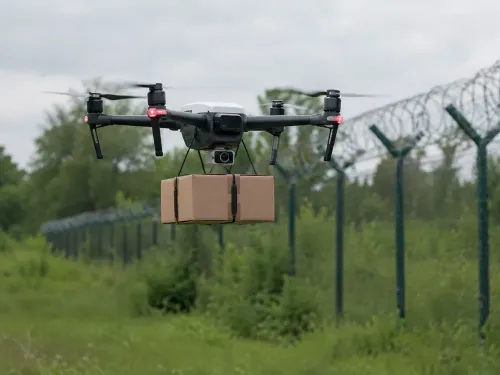
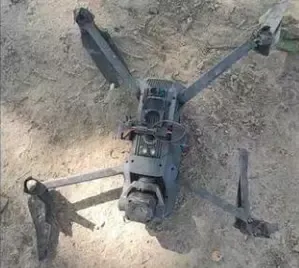
Newer cartel drones are satellite-linked, enabling real-time evasion of Indian security agencies.
Minors aged 14 to 16 are reportedly being recruited, exploiting lighter juvenile sentencing under the Bharatiya Nyaya Sanhita (BNS) .
Punjab Police have launched a crackdown on supply chains, but drone interception remains a critical unresolved challenge.
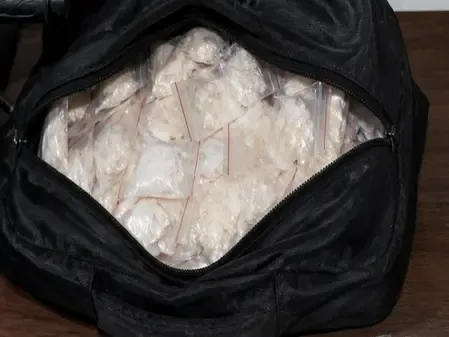
Pakistani narcotic cartels are systematically targeting unemployed youth in Punjab to serve as drug couriers, exploiting high local unemployment and drone technology to penetrate deep into Indian territory, according to intelligence officials. The district of Tarn Taran — long identified as a cross-border smuggling corridor — has emerged as the primary drop zone, with officials estimating that 99 per cent of drug deliveries are now executed via drones.
How the Courier Network Operates
According to an Intelligence Bureau official, cartels are recruiting from a rotating pool of 100 to 150 youth stationed across Punjab's border areas. Each courier is assigned no more than two to three pick-ups per month — a deliberate rotation strategy designed to keep individuals below the surveillance threshold of security agencies.
The financial incentive is substantial. A single pick-up and delivery pays between ₹20,000 and ₹40,000, meaning a courier completing three runs monthly can earn between ₹60,000 and ₹1,20,000 — multiples of what formal employment in the region typically offers. Officials say this wage gap is the single biggest driver of recruitment.
Drones Replacing Border Crossings
The operational shift to drones has fundamentally altered the risk calculus for couriers. Previously, recruits had to physically approach border zones, evade security personnel, and collect consignments from handlers crossing from the Pakistani side. Satellite-linked drones now drop narcotics deep inside Indian territory, reducing courier exposure significantly.
Officials warn that the newer generation of drones used by these cartels is linked to satellite systems, providing real-time intelligence on security deployments. This allows handlers to recall a drone mid-flight if interception appears likely. According to officials, approximately 20 drone drop attempts are made every day; even if 15 succeed, cartels consider the operation a success.
Juveniles Drawn Into Supply Chain
A particularly alarming dimension, according to officials, is the use of minors. Youth aged 14 to 16 are reportedly being employed as couriers. Officials note that juveniles attract lower suspicion from security personnel and, under both the Indian Penal Code and the Bharatiya Nyaya Sanhita (BNS), face reformative rather than punitive sentencing — typically detention in reform facilities rather than prison. Cartels are said to be exploiting this legal gap deliberately.
Punjab Police Response and Ongoing Challenges
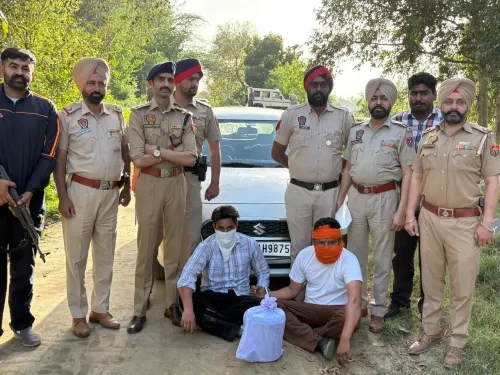
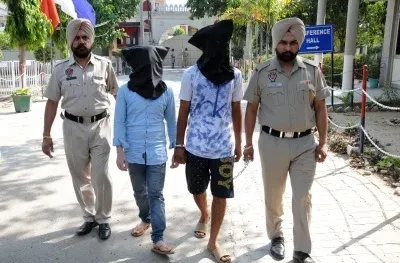
Punjab Police have intensified operations against the narcotics supply chain, targeting distribution networks and courier links. However, officials acknowledge that countering satellite-guided drone deliveries remains a significant technological challenge. The cartels' drone capabilities are described as advanced, with real-time evasion features that outpace current interdiction tools.
This comes amid a broader national concern about cross-border narcotics flows from Pakistan, with Punjab serving as the primary entry corridor. Notably, the shift to juvenile and rotating-adult courier models signals an adaptive cartel strategy that law enforcement is still calibrating a response to. How quickly agencies can close the drone-interception gap and address youth unemployment will determine whether the crackdown achieves lasting impact.
Point of View
With rotation schedules, per-delivery pay rates, and age-based legal arbitrage. The use of satellite-guided drones that can be recalled mid-flight represents a technological leap that Indian border security has not yet matched. Until agencies close the drone-interception gap and address the wage differential that makes courier work attractive, crackdowns on couriers alone will remain a game of whack-a-mole — replacing one recruit with another from the same pool of economically desperate youth.
NationPress
12 Oct 2026
Frequently Asked Questions
How are Pakistani drug cartels smuggling narcotics into Punjab?
According to intelligence officials, Pakistani drug cartels are using satellite-linked drones to drop narcotics deep inside Indian territory, particularly in Tarn Taran district. An estimated 99 per cent of deliveries are drone-based, with approximately 20 drop attempts made every day.
How much are drug couriers paid in Punjab?
Couriers are paid between ₹20,000 and ₹40,000 per pick-up and delivery, according to officials. Those completing three runs a month can earn between ₹60,000 and ₹1,20,000 — significantly more than typical formal employment in the region.
Why are juveniles being used as drug couriers?
Officials say cartels are deliberately recruiting youth aged 14 to 16 because minors attract less suspicion from security agencies and face lighter, reformative sentencing under the Bharatiya Nyaya Sanhita (BNS) rather than prison terms. This legal gap is reportedly being exploited systematically.
What is Punjab Police doing to counter the drug courier network?
Punjab Police have intensified operations targeting the narcotics supply chain and courier networks. However, officials acknowledge that countering satellite-guided drones — which can be recalled mid-flight to evade interception — remains a significant technological challenge.
Why is Tarn Taran the focus of cross-border drug smuggling?
Tarn Taran in Punjab is identified as a primary hub for cross-border smuggling due to its proximity to the Pakistan border. Intelligence officials say it is the principal drop zone for drone-delivered narcotics entering India from Pakistani cartel networks.