Pakistan's $58 billion power plan risks deepening a sector already drowning in debt
Synopsis
Pakistan is committing $58 billion to expand its power grid through 2035 — but its own regulator is internally divided, rooftop solar is quietly shrinking grid demand, and the country already pays for electricity capacity it cannot sell. The plan's premise of conventional demand growth may be obsolete before the ink dries.
Key Takeaways
Pakistan's ISP 2025–35 calls for $58 billion in power sector investment, envisaging 26,045MW of new generation capacity.
NEPRA conditionally approved the plan on 11 September , but all three members — including the Chairman — filed dissenting or separate observations.
Peak demand is projected to rise from 26,950MW in 2025 to 35,521MW by 2035, a forecast critics say may not reflect solar-driven demand erosion.
Off-grid and on-grid solar capacity is estimated between 20,000–33,000MW , fundamentally altering household and commercial electricity consumption patterns.
The sector's capacity-payment model means consumers already finance idle generation; adding more capacity without confirmed demand could deepen that burden.
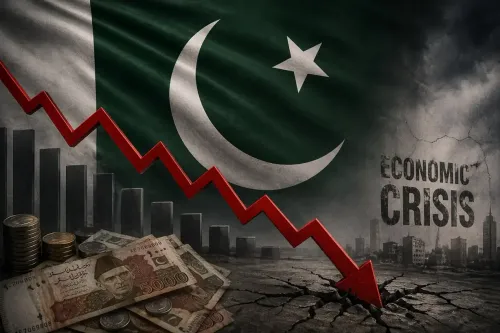
Pakistan has unveiled a sweeping 2025–35 roadmap for its power sector that calls for a staggering $58 billion in investment across electricity generation and transmission — even as the country grapples with substantial unused generation capacity and a chronically loss-making grid, according to a report by Maldives Insight.
What the Plan Envisions
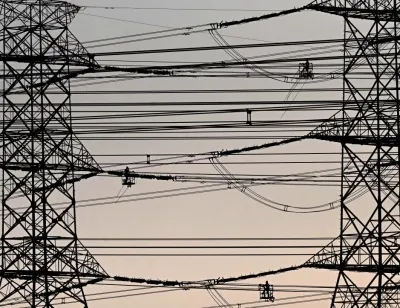
On 11 September, the National Electric Power Regulatory Authority (NEPRA) conditionally approved the Integrated System Plan (ISP) 2025–35, which envisages adding 26,045MW of generation capacity to the national grid. The plan projects peak electricity demand rising from 26,950MW in 2025 to 35,521MW by 2035 — a forecast that analysts say may not account for rapidly shifting consumption behaviour.
Notably, the approval was far from unanimous. All three members of NEPRA, including its Chairman, recorded dissenting or separate advisory observations in the 45-page document — an unusual degree of internal reservation for a regulatory body endorsing a national infrastructure plan of this scale.
The Capacity Trap Pakistan Is Already In
Pakistan's power sector has struggled for years with a structural paradox: it pays for more electricity than it can sell. The sector is weighed down by capacity payments — fixed charges owed to power producers regardless of how much electricity they actually supply — weak demand growth, and tariffs high enough to push consumers away from the national grid altogether.
NEPRA's own determination highlighted conflicting assessments between the Independent System and Market Operator (ISMO) and the Power Planning and Monitoring Company regarding the ISP's eventual impact on consumer tariffs. If demand does not rise as projected, the report warned, new plants and transmission infrastructure would compound an already-broken equation in which consumers finance capacity that sits idle.
The Solar Disruption Reshaping Demand
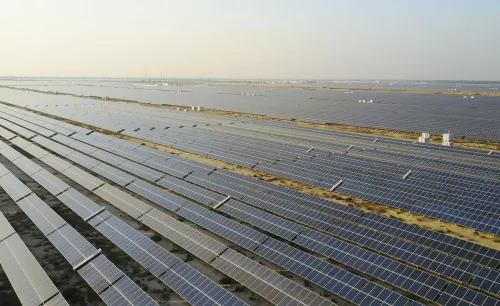
The bigger long-term challenge may not be debt — it may be rooftop solar. Households, agricultural users, and businesses across Pakistan have rapidly installed distributed solar systems, often driven by grid electricity that is both expensive and unreliable. The result is a structural drift: consumers are increasingly generating part of their own electricity rather than drawing from distribution companies.
In February, Pakistan's Power Division stated that on-grid solar capacity had reached approximately 7,000MW, while off-grid installations had surpassed 13,000MW. The power minister subsequently estimated total distributed solar generation at roughly 20,000–22,000MW. A separate study cited by Dawn in February placed installed solar capacity as high as 33GW when non-net-metered and off-grid systems were included.
Whatever the precise figure, the direction is unambiguous: Pakistan's consumers are progressively capable of meeting a share of their electricity needs without the national grid.
Why the Plan's Core Assumption Is Under Scrutiny
The central question posed by the Maldives Insight report is pointed: it is not simply how much electricity Pakistan can generate by 2035, but whether the country will actually need all the power it is committing to pay for. Pakistan's electricity market, the report observed, is no longer behaving like the market for which many earlier expansion assumptions were designed.
A long-term infrastructure plan premised on conventional demand growth — and priced at $58 billion — sits uncomfortably against a backdrop of surging distributed solar, stagnant grid offtake, and a regulator internally divided on the plan's own tariff projections. How Pakistan resolves that contradiction will determine whether the ISP becomes a transformational investment or the next chapter in its capacity-payment crisis.
Frequently Asked Questions
What is Pakistan's Integrated System Plan (ISP) 2025–35?
The ISP 2025–35 is Pakistan's national power sector roadmap requiring $58 billion in investment to add 26,045MW of generation capacity and expand transmission infrastructure by 2035. It was conditionally approved by NEPRA on 11 September, though all three NEPRA members recorded dissenting or separate advisory observations.
Why is the $58 billion power plan considered risky?
Pakistan already pays capacity charges for generation plants that operate well below capacity, meaning consumers finance idle electricity. Adding more capacity without confirmed demand growth risks deepening this burden, particularly as rooftop solar is eroding grid consumption across households and businesses.
How much solar capacity does Pakistan already have?
As of February, Pakistan's Power Division estimated on-grid solar at roughly 7,000MW and off-grid at over 13,000MW, with the power minister citing a total of 20,000–22,000MW of distributed solar. A separate study cited by Dawn placed total installed solar as high as 33GW.
What did NEPRA's dissent signals mean for the plan?
All three NEPRA members, including its Chairman, filed dissenting or separate advisory observations on the 45-page ISP document — an unusual degree of internal disagreement. The regulator also flagged conflicting assessments on the plan's tariff impact, raising questions about its financial projections.
How does rooftop solar threaten Pakistan's power grid plan?
As grid electricity becomes more expensive and unreliable, consumers are switching to self-generated solar power, reducing demand on the national grid. A long-term plan premised on conventional demand growth to 35,521MW by 2035 may overstate actual grid offtake, leaving new capacity underutilised.