Patiala Foundation flags minority heritage crisis in Pakistan at UNHRC session
Synopsis
An Indian NGO with UN consultative status has told the UNHRC that only 37 of roughly 1,800 Hindu temples and Sikh gurdwaras in Pakistan remain functional — and cited the recent demolition of a 125-year-old gurdwara by a private businessman, with no official action until Sikh residents protested. The intervention pushes Pakistan's minority heritage crisis onto a formal UN platform.
Key Takeaways
Patiala Foundation made written and oral interventions at the 63rd UNHRC session in Geneva on 23 September 2026 .
Pakistan's own Parliamentary Committee data reportedly shows only 37 of around 1,800 Hindu temples and Sikh gurdwaras remain functional.
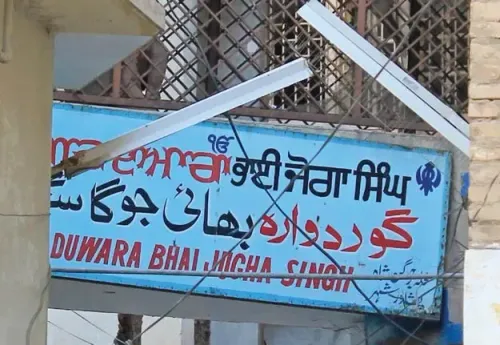
The 125-year-old Gurdwara Sri Guru Singh Sabha Sahib in Farooqabad , near Lahore, was allegedly demolished by a local businessman in July without legal clearance.
Authorities acknowledged the demolition only after Sikh residents took to the streets in protest.
The foundation cited the USCIRF 2025 Annual Report and a UN experts' statement of 11 April 2024 on forced conversion of Christian and Hindu girls in Pakistan.
Patiala Foundation has called for direct minority community participation in the stewardship of their own sacred sites.
Patiala Foundation, an Indian non-governmental organisation holding Special Consultative Status with the United Nations Economic and Social Council (ECOSOC), raised urgent concerns over the destruction and neglect of Sikh, Hindu, and other minority religious heritage sites in Pakistan at the 63rd session of the United Nations Human Rights Council (UNHRC) in Geneva on 23 September 2026. The foundation submitted a written statement to the UN Secretary-General and also made an oral intervention during the General Debate.
Scale of the Crisis
At the heart of Patiala Foundation's intervention was a stark statistic placed before Pakistan's own Parliamentary Committee on the Minority Caucus: of approximately 1,800 Hindu temples and Sikh gurdwaras across Pakistan, only 37 were reported to remain functional. The foundation cited these figures to underscore what it described as a systemic failure in the preservation, management, and protection of minority places of worship and heritage sites.
This comes amid longstanding international alarm over the condition of religious minorities in Pakistan. The foundation referenced the United States Commission on International Religious Freedom's 2025 Annual Report on Pakistan, as well as a UN human rights experts' statement dated 11 April 2024, which documented the continued vulnerability of Christian and Hindu girls to forced religious conversion, abduction, and forced marriage.
The Farooqabad Gurdwara Demolition
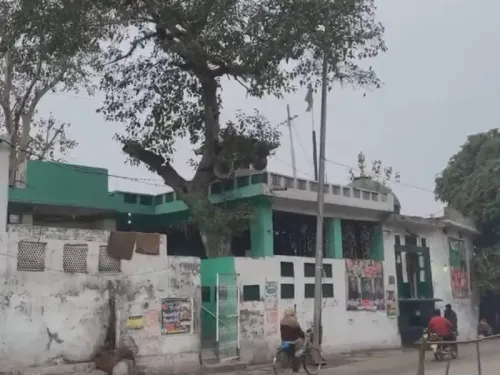
A specific incident that drew sharp attention was the reported demolition of the 125-year-old Gurdwara Sri Guru Singh Sabha Sahib in Farooqabad, near Lahore, in July. According to reports, a local businessman allegedly carried out the demolition without legal clearance or a court order, leaving portions of the historic shrine in rubble. Pakistani authorities reportedly acknowledged the demolition only after Sikh residents of Farooqabad took to the streets in protest. An official later admitted that the concerned department had failed to take notice of the demolition until the community raised an alarm.
Notably, this is not an isolated incident — it is part of a broader pattern of encroachment, desecration, and demolition of minority religious sites that civil society groups and international bodies have flagged repeatedly over the past decade.
What Patiala Foundation Demanded
In its interventions, Patiala Foundation urged the Human Rights Council to press the Pakistani government on several fronts: implementing the recommendations of its own Parliamentary Committee on the Minority Caucus; strengthening oversight and accountability in the management of minority religious properties; investigating reported cases of demolition, encroachment, and desecration; restoring damaged sites in consultation with affected communities; and ensuring the direct participation of Sikh, Hindu, and other minority communities in the protection and stewardship of their sacred places.
Founder's Remarks
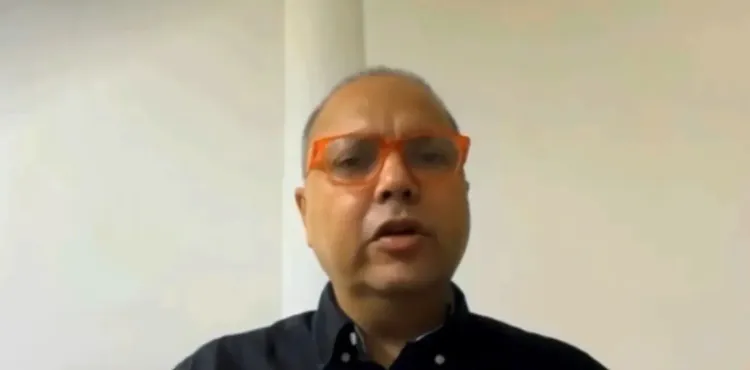
Patiala Foundation Founder and Chief Executive Officer Ravee Singh Ahluwalia stated during his oral intervention: 'Sikh, Hindu, Christian, and other minority heritage sites are not merely physical structures. They are living spaces of faith, memory, identity, and community continuity. Their protection is inseparable from the right of every individual and community to practise, preserve and transmit their faith and culture with dignity.'
Ahluwalia further said the foundation, through its UNHRC intervention, has demanded 'constructive engagement, credible accountability and meaningful protection of minority communities and their sacred heritage in Pakistan,' adding: 'Heritage protection is a human-rights issue, because the loss of a sacred site can also mean the loss of access, identity, memory and dignity for an entire community.'
What Comes Next
The foundation's call for action places Pakistan's minority heritage crisis squarely on the UNHRC's agenda during the council's ongoing 63rd session. Whether the council issues formal recommendations to Islamabad will depend on member-state support, but the intervention significantly raises the diplomatic and reputational stakes for Pakistan on a question that has drawn growing international scrutiny.
Point of View
800 — sourced from Pakistan's own parliamentary process, not an adversarial foreign report — is the kind of self-indicting data point that is difficult for Islamabad to dismiss. Yet the UNHRC's track record on holding member states accountable on minority rights is, at best, mixed. The real significance of this intervention lies less in what the council will do and more in the compounding pressure on Pakistan as its own legislative record is turned into international testimony. The Farooqabad demolition, carried out allegedly without any court order and ignored by officials until there was street-level protest, is a microcosm of a governance failure that no heritage preservation policy can paper over without genuine accountability mechanisms.
NationPress
23 Sept 2026
Frequently Asked Questions
What did Patiala Foundation raise at the UNHRC?
Patiala Foundation raised concerns about the destruction and neglect of Sikh, Hindu, and other minority religious heritage sites in Pakistan at the 63rd session of the UN Human Rights Council in Geneva on 23 September 2026. It cited data showing only 37 of approximately 1,800 Hindu temples and Sikh gurdwaras in Pakistan remain functional.
What happened to the Gurdwara Sri Guru Singh Sabha Sahib in Farooqabad?
The 125-year-old Gurdwara Sri Guru Singh Sabha Sahib in Farooqabad, near Lahore, was reportedly demolished in July by a local businessman without legal clearance or a court order. Pakistani authorities acknowledged the demolition only after Sikh residents of Farooqabad staged street protests.
What is Patiala Foundation and why can it address the UNHRC?
Patiala Foundation is an Indian non-governmental organisation that holds Special Consultative Status with the United Nations Economic and Social Council (ECOSOC). This status allows it to make written submissions and oral interventions at UN bodies including the Human Rights Council.
What specific actions has Patiala Foundation asked the UNHRC to take?
The foundation has urged the Human Rights Council to encourage Pakistan to implement its Parliamentary Committee on the Minority Caucus recommendations, strengthen oversight of minority religious properties, investigate demolitions and desecrations, restore damaged sites in consultation with affected communities, and ensure direct minority community participation in managing their sacred places.
What international reports did the foundation cite on Pakistan's minorities?
The foundation cited the United States Commission on International Religious Freedom's 2025 Annual Report on Pakistan and a UN human rights experts' statement dated 11 April 2024, which documented the continued vulnerability of Christian and Hindu girls to forced religious conversion, abduction, and forced marriage in Pakistan.