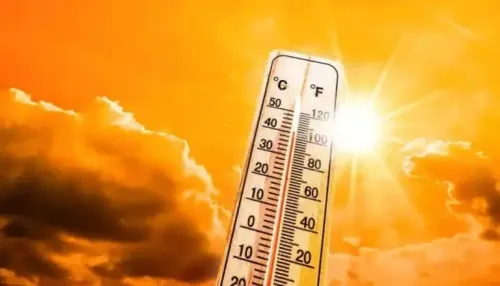
Heatwave Alert: Patna DM Orders 15 Depts on High Alert as Temps Hit 40°C
Synopsis
With Patna's mercury locked above 40°C for days, District Magistrate Tyagarajan S.M. has activated a sweeping three-tier Heatwave Action Plan, putting 15 departments on high alert and mandating emergency protocols at every hospital — from medical colleges to PHCs — as Bihar braces for a punishing summer.
Key Takeaways
Patna temperatures have exceeded 40°C for multiple consecutive days as of April 23, 2025 , triggering a formal district-level emergency response.
DM Tyagarajan S.M. has activated the Heatwave Action Plan , placing 15 government departments on coordinated high alert.
A three-tier response framework — covering administrative, hospital, and community levels — has been deployed across Patna district .
Civil Surgeon Lakhindra Prasad has been directed to ensure all hospitals, from medical colleges to PHCs, maintain adequate stocks of heatstroke medicines and follow emergency admission protocols.
Vulnerable groups including children, pregnant women, the elderly, and those with pre-existing conditions have been designated for priority care.
Residents can access emergency health support via the State Health Helpline '104' operated by the State Health Society, Patna .
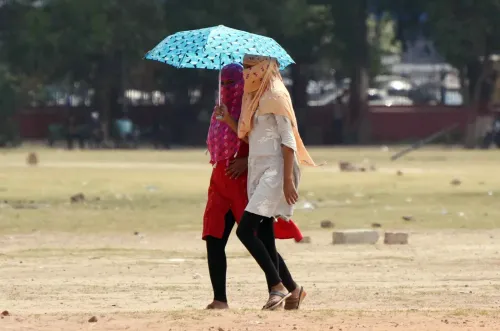
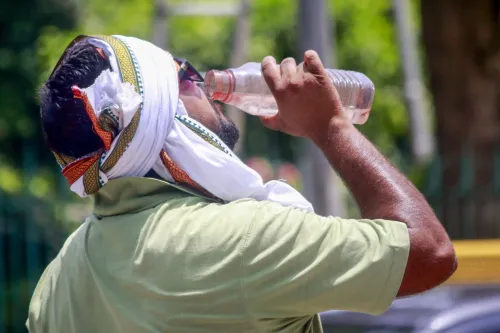
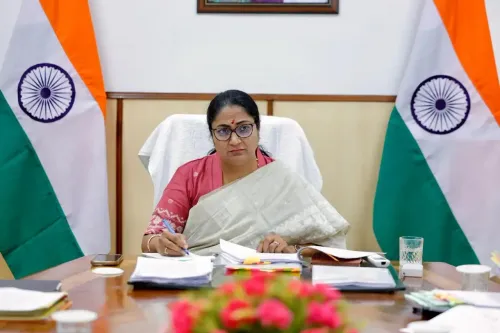
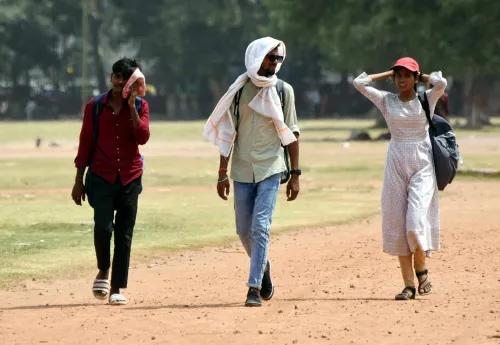
A brutal heatwave has tightened its grip on Patna, Bihar, with mercury consistently breaching the 40 degree Celsius threshold for several consecutive days, prompting District Magistrate Tyagarajan S.M. to activate the district's Heatwave Action Plan on Thursday, April 23. The administration has placed the entire district machinery on high alert, mobilising 15 government departments in a coordinated response to protect public health.
High Alert Declared Across Patna District
DM Tyagarajan S.M. issued formal directives under the Heatwave Action Plan, mandating all 15 departments to remain vigilant and act in unison. The move reflects the severity of the crisis, as sustained high temperatures combined with dry weather and low humidity have significantly elevated the risk of 'Loo' — the region's notorious scorching hot winds that can be life-threatening.
The administration has specifically identified children, pregnant women, lactating mothers, the elderly, and individuals with pre-existing health conditions as the most vulnerable segments of the population requiring priority protection during this period.
Three-Tier Action Framework Activated
Authorities have structured their response across three distinct levels — the administrative level, the medical college and district hospital level, and the community level — ensuring that the response is both top-down and grassroots in nature.
At the medical front, Patna Civil Surgeon-cum-Chief Medical Officer Lakhindra Prasad has been directed to sensitise all healthcare workers about heatstroke symptoms, first aid procedures, and emergency response protocols. All government hospitals — from medical colleges to primary health centres (PHCs) — have been ordered to maintain adequate stocks of life-saving medicines specifically for heatstroke management.
Critically, healthcare facilities must now maintain separate data records for all heatwave-related cases, and immediate admission and treatment protocols have been made mandatory for severe presentations. This data-driven approach will help authorities track the true scale of the crisis in real time.
Warning Signs Residents Must Know
The district administration has publicly listed the key symptoms of dangerous heat exposure to help residents seek timely help. These include excessive sweating, rapid breathing, muscle cramps, nausea, vomiting, diarrhoea, extreme thirst, high fever, and fainting in severe cases.
Residents in distress can contact the state health helpline '104', operated by the State Health Society, Patna, for guidance and emergency assistance. Authorities have underscored that early detection and preventive care are the most effective tools to minimise fatalities and hospitalisations.
Why This Matters: Bihar's Recurring Heat Crisis
Bihar's vulnerability to extreme heat is not new. The state has historically recorded heat-related fatalities every summer, particularly in districts like Patna, Gaya, and Aurangabad, where urban heat island effects compound natural temperature spikes. This comes amid a broader national pattern of intensifying heatwaves across the Indo-Gangetic Plain, which climate scientists attribute to accelerating climate change and erratic pre-monsoon weather systems.
Notably, the India Meteorological Department (IMD) has flagged above-normal temperatures across large parts of North and East India for the April–June 2025 period, making proactive district-level action plans like Patna's critical to preventing mass casualties. The activation of a formal Heatwave Action Plan — rather than ad hoc responses — signals a maturation in disaster preparedness, though implementation at the community level will be the true test.
What Comes Next
With the pre-monsoon season still weeks away and temperatures expected to remain elevated through May 2025, the Patna district administration's coordinated response will face its most intense pressure in the coming weeks. All concerned departments have been directed to treat these measures as the highest operational priority.
Citizens, especially those in low-income and outdoor-working communities, are urged to avoid exposure during peak afternoon hours, stay hydrated, and use the 104 helpline at the first sign of heat-related illness. The success of this multi-department framework will likely shape how Bihar's other districts calibrate their own responses in the weeks ahead.
Point of View
Year after year, scramble to respond to a crisis that climate data predicts months in advance? The activation of a formal Heatwave Action Plan is commendable, yet the real accountability question is whether community-level infrastructure — shaded water points, cooled shelters for daily-wage workers, door-to-door outreach in slums — will actually materialise or remain on paper. India's most heat-vulnerable populations are not those who read government advisories; they are the ones working in the sun with no choice. Until heat action plans centre those citizens, not just hospital protocols, the annual death toll from Loo winds will remain a preventable tragedy.
NationPress
6 Oct 2026
Frequently Asked Questions
What is the current temperature in Patna during the April 2025 heatwave?
Temperatures in Patna have been consistently crossing 40 degrees Celsius for several consecutive days as of April 23, 2025 . The dry weather and low humidity are further intensifying the heat, raising the risk of dangerous 'Loo' hot winds.
What action has the Patna District Magistrate taken in response to the heatwave?
DM Tyagarajan S.M. has issued directives under the Heatwave Action Plan , placing the district on high alert and directing 15 government departments to coordinate emergency measures. A three-tier response framework covering administrative, hospital, and community levels has been activated.
Who are the most vulnerable groups during the Patna heatwave?
The administration has identified children, pregnant women, lactating mothers, the elderly, and individuals with pre-existing health conditions as the highest-risk groups. Special care protocols have been mandated for these populations across all healthcare facilities.
What helpline can Patna residents call for heatwave-related health emergencies?
Residents can call the state health helpline '104' , operated by the State Health Society in Patna , for guidance and emergency assistance. The helpline provides support for heatstroke symptoms and connects callers to medical services.
What are the symptoms of heatstroke people should watch for during the Bihar heatwave?
Key warning signs include excessive sweating, rapid breathing, muscle cramps, nausea, vomiting, diarrhoea, extreme thirst, high fever, and fainting . Anyone experiencing these symptoms should seek medical attention immediately or call helpline 104 .