NCB arrests GTU PhD scholar over Ahmedabad MD drug lab chemicals
Synopsis
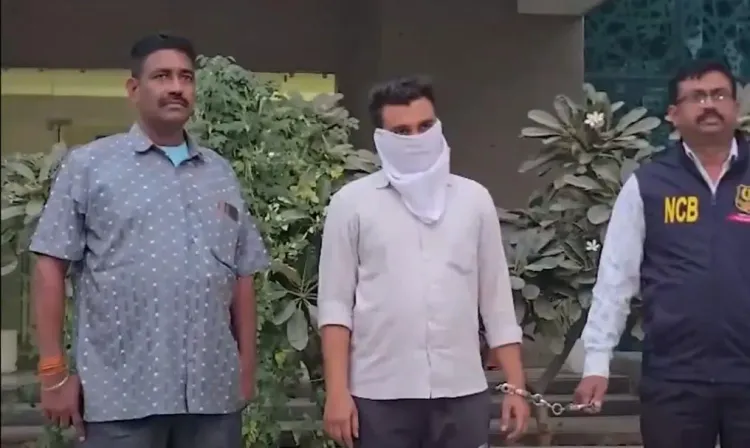
A chemical engineering PhD scholar at GTU allegedly used his own bank account to buy chemicals for a mephedrone lab hidden in an Ahmedabad basement. The NCB says the money trail goes back to 2024, and it is now checking whether other people with technical training are part of the network.
Key Takeaways
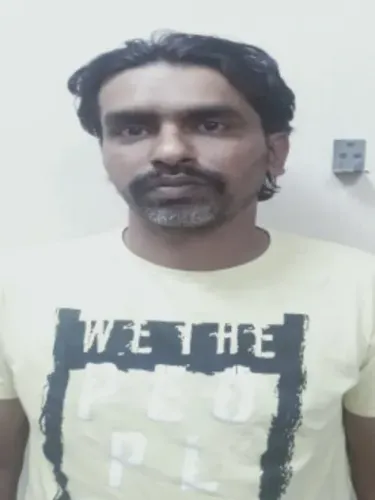
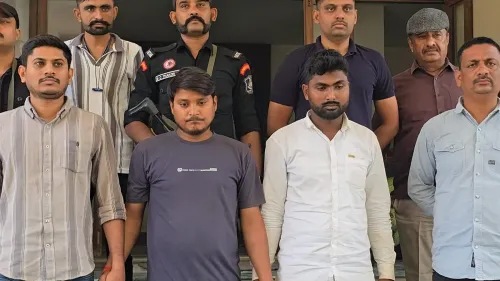
The NCB arrested Harshil Parikh , a Chemical Engineering PhD scholar at GTU , for allegedly supplying chemicals to an MD drug lab.
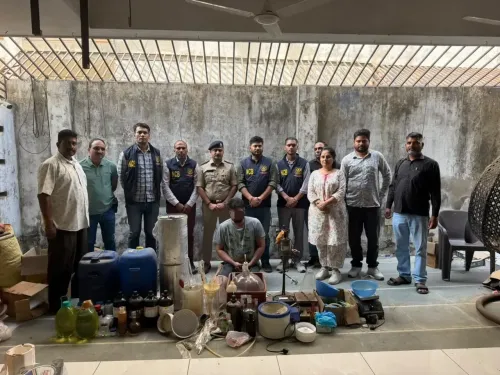
The lab, allegedly run by Mudassar Pathan , operated from a bungalow basement in Labaik Park Society , Sarkhej Road, Ahmedabad .
Investigators traced financial transactions between Parikh and Pathan dating back to 2024 .
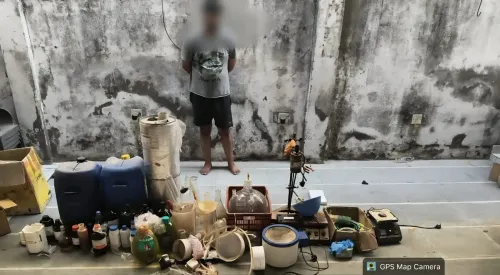
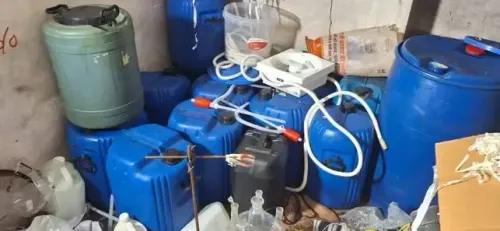
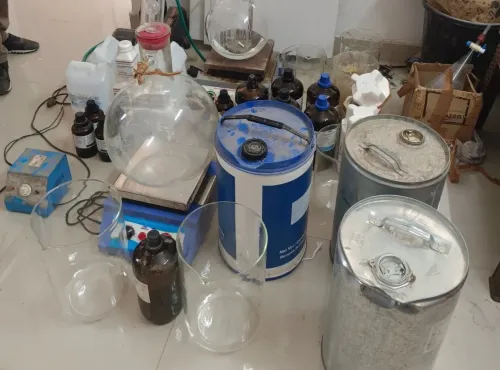
The lab was busted on 15 November under 'Operation Synthetic Drug' , with around 130 kg of chemicals and 27.55 grams of suspected mephedrone seized.
The NCB is probing funding sources and interstate links, and has urged the public to use the MANAS helpline 1933 .
The Narcotics Control Bureau (NCB) has arrested a Chemical Engineering PhD scholar of Gujarat Technological University (GTU) for allegedly supplying chemicals used to manufacture mephedrone (MD) at an illegal drug laboratory in Ahmedabad's Sarkhej area. Investigators say they traced financial transactions between the scholar, Harshil Parikh, and the prime accused, Mudassar Pathan, dating back to 2024. The arrest is the latest development in a case that began with the lab's bust on 15 November.
Key Developments in the Case
According to the NCB, Parikh allegedly bought chemicals for Pathan, who was reportedly running the clandestine unit from the basement of a bungalow in Labaik Park Society, near Mohammadi Park on Sarkhej Road in Gyaspur.
NCB Zonal Director Ghanshyam Soni said the agency identified Parikh's alleged role after examining mobile phones, call detail records (CDRs) and other digital evidence gathered during the probe.
“After analysing the mobile phones of the accused, including Mudassar, and examining the call detail records, we detained another person yesterday. He is a PhD scholar at GTU. We found out how chemicals were procured and transferred using his own bank account,” Soni said.
How the Alleged Arrangement Worked
Soni said Pathan had initially helped the scholar financially, possibly because the two were friends. Over time, investigators allege, the relationship turned into an arrangement in which Parikh procured the chemicals needed to make the drug.
“Pathan used to give him money, and he would purchase all the materials with that money, properly against bills. A chemical engineering student would know about these chemicals,” Soni said.
He added that investigators had also found indications that Parikh was later lured into the operation. Notably, the agency had suspected from the early stages of the investigation that someone with technical knowledge was involved.
The 15 November Raid
The laboratory was busted on 15 November under the NCB's 'Operation Synthetic Drug', carried out with assistance from Gujarat Police. A search of the basement led to the seizure of around 130 kg of chemicals, laboratory equipment and 27.55 grams of suspected mephedrone in liquid and powder forms.
The gap between the large stock of chemicals and the comparatively small quantity of finished drug recovered is likely to remain a focus as investigators piece together the scale of the alleged operation.
What Happens Next
The NCB is now examining where Parikh sourced the chemicals, who else may have financed the purchases, and whether other people supplied materials to the lab. The agency is also looking into possible interstate links as it tries to map the full network behind the alleged manufacturing unit.
Soni said the agency is pursuing remaining leads to identify others who may have misused their technical knowledge for illegal activities.
Public Appeal Through MANAS Helpline
Soni urged citizens to report suspected drug-related activity through the NCB's 'MANAS' helpline, 1933. Callers can share a suspect's name, vehicle registration number, physical description, address or photograph, even without a phone number.
“Even a small piece of information helped us bust the laboratory operating in the basement. Your information and public participation can contribute to this fight against drugs,” he said.
With the money trail now under scrutiny, the coming weeks are expected to show whether the Sarkhej lab was an isolated operation or part of a wider synthetic drug supply chain.
Point of View
With purchases made properly against bills. That points to a supply chain that can look legitimate on paper, which is exactly where regulators of precursor chemicals should be looking. If the NCB's suspicion of wider misuse of technical expertise holds, universities and chemical suppliers will face hard questions about oversight. A lab holding 130 kg of chemicals also suggests the operation's real scale may be far larger than the finished product recovered.
NationPress
28 Nov 2026
Frequently Asked Questions
Who is the GTU PhD scholar arrested by the NCB in Ahmedabad?
The NCB arrested Harshil Parikh, a Chemical Engineering PhD scholar at Gujarat Technological University. He is accused of supplying chemicals used to make mephedrone (MD) at an illegal lab in Ahmedabad's Sarkhej area.
How was the PhD scholar linked to the MD drug lab?
The NCB says it found his alleged role by analysing mobile phones, call detail records and other digital evidence. Investigators say chemicals were bought using his own bank account, with transactions involving prime accused Mudassar Pathan dating back to 2024.
What was seized from the Sarkhej drug lab?
Around 130 kg of chemicals, laboratory equipment and 27.55 grams of suspected mephedrone in liquid and powder forms were seized. The lab was busted on 15 November during the NCB's 'Operation Synthetic Drug' with help from Gujarat Police.
What is the NCB investigating next in the case?
The NCB is tracing where the chemicals were sourced, who financed the purchases and whether others supplied materials to the lab. It is also examining possible interstate links to identify the full network.
How can citizens report drug-related activity to the NCB?
Citizens can call the NCB's MANAS helpline at 1933. Callers can share a suspect's name, vehicle number, physical description, address or photograph, even without a phone number.