PIB warns against fake India-China LAC visuals on social media
Synopsis
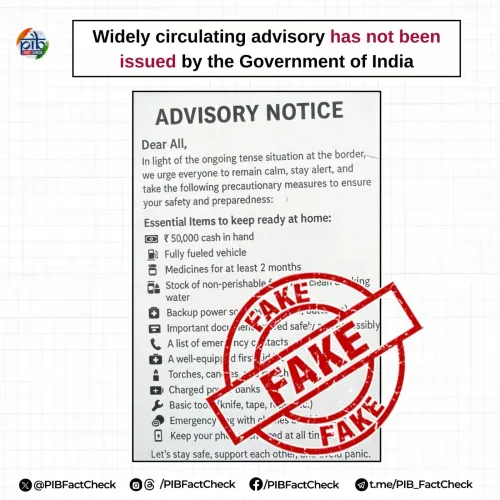
Amid a fresh wave of unverified visuals claiming to show the Chinese PLA near the India-China LAC, the PIB has issued a formal advisory urging citizens and media to trust only official defence sources. The warning echoes a previous PIB Fact Check that debunked a viral claim of the Chinese Army entering 60 km inside Indian territory — a reminder that border misinformation is a recurring and deliberate pattern, not a one-off.
Key Takeaways
The PIB on 6 August issued an advisory against unverified visuals circulating on social media about the India-China LAC .
Posts purportedly showing the Chinese PLA near the border have not been verified and should not be treated as authentic, officials say.
Social media platforms have been asked to remove misleading content related to the border.
A previous viral claim that the Chinese Army entered 60 km inside India was found to be false by a PIB Fact Check.
Citizens and media are advised to rely only on the Ministry of Defence and Indian Armed Forces for border updates.
The Press Information Bureau (PIB) on 6 August issued an advisory urging citizens and media organisations to rely exclusively on official communications from the Ministry of Defence and the Indian Armed Forces, as unverified visuals purportedly showing developments along the India-China Line of Actual Control (LAC) continue to spread across social media platforms. The advisory was issued by the Office of the Principal Director General of PIB, warning that such content is fuelling misinformation and public confusion.
What Is Being Circulated
Several posts on social media platforms are sharing visuals that allegedly show the Chinese People's Liberation Army (PLA) near the border. According to officials, these visuals have not been verified and should not be treated as authentic. Social media platforms have been requested to remove the misleading content promptly.
Pattern of Recurring Misinformation
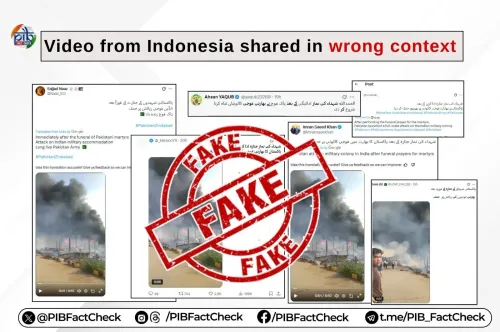
This is not an isolated incident. Officials say the advisory comes in the wake of recurring attempts to spread misinformation on border-related matters. In a previous instance, viral posts had falsely claimed that the Chinese Army had entered 60 kilometres inside Indian territory. A PIB Fact Check subsequently clarified that the claim was false and that the videos circulated in support of it were entirely unrelated to the India-China border.
What the Government Has Said
Officials have emphasised that statements, photographs, and videos released through the Ministry of Defence and the Indian Armed Forces remain the most reliable sources of information on border developments. The government has urged everyone to verify facts before sharing any content online, noting that responsible use of social media is essential to prevent the spread of false narratives.
Why This Matters
Misinformation about the India-China LAC carries significant national security implications. Unverified visuals can distort public perception, create unnecessary alarm, and potentially complicate diplomatic and military signalling at a sensitive frontier. This comes amid continued geopolitical attention on the India-China border following the standoffs of recent years. Authorities warn that sharing unverified content — even unintentionally — contributes to an information environment that adversaries can exploit.
What Citizens and Media Should Do
Both citizens and media are advised to follow only official channels for border-related updates and to refrain from sharing unauthenticated videos or claims. Any suspicious content related to the LAC should be cross-checked against official PIB communications before being amplified online.
Point of View
The government's own information architecture has historically been sparse. The real question the PIB advisory sidesteps is why unverified content finds such a ready audience: a vacuum of timely official communication is itself a misinformation accelerant. Repeated debunks without proactive disclosure of ground realities risk becoming a game of whack-a-mole. If the Ministry of Defence wants to own the narrative on border developments, the answer is more transparency, not just more warnings.
NationPress
21 Sept 2026
Frequently Asked Questions
What is the PIB advisory about India-China border visuals?
The PIB issued an advisory on 6 August warning citizens and media not to share or trust unverified visuals circulating on social media that claim to show developments along the India-China Line of Actual Control. Officials say such content is spreading misinformation and confusion.
What fake claim about the India-China border went viral earlier?
Viral posts had falsely claimed that the Chinese Army had entered 60 kilometres inside Indian territory. A PIB Fact Check found the claim to be false and confirmed that the videos used to support it were unrelated to the India-China border.
Which sources should citizens rely on for India-China border updates?
According to the PIB advisory, citizens and media should rely exclusively on official statements, photographs, and videos issued by the Ministry of Defence and the Indian Armed Forces for any updates on border developments.
What action is being taken against misleading social media content on the LAC?
Social media platforms have been requested to remove misleading content related to the India-China border, according to officials. The PIB has also been actively issuing fact-checks to counter false claims.
Why is misinformation about the India-China LAC particularly dangerous?
Misinformation about the LAC can create public panic, distort perception of ground realities, and complicate sensitive diplomatic and military dynamics at one of India's most contested frontiers. Officials say recurring attempts to spread such content make vigilance essential.