PIL in Supreme Court seeks time-bound probe in paper leak cases
Synopsis
A PIL in the Supreme Court is demanding what the government's own 2024 anti-cheating law has failed to deliver: a standardised investigation procedure, asset confiscation from perpetrators, and consecutive sentencing in paper leak cases. Filed in the wake of the alleged NEET 2026 leak, the petition argues that masterminds continue to evade scrutiny while lakhs of students bear the consequences.
Key Takeaways
Advocate Ashwini Kumar Upadhyay has filed a PIL in the Supreme Court under Article 32 seeking time-bound investigation and speedy trial in paper leak cases.
The petition demands a 'Standard Questionnaire' and 'Special Investigation Procedure' for all paper leak probes across India.
It references the alleged NEET paper leak on 3 May 2026 , which reportedly affected lakhs of students.
The PIL argues the Public Examinations (Prevention of Unfair Means) Act, 2024 , in force since June 2024 , has failed to curb leaks or bring masterminds to justice.
The petition seeks confiscation of properties under anti-corruption, money laundering, benami, and black money laws, and consecutive sentencing for offenders.
In the alternative, it seeks a Law Commission report on international investigation practices within three months .
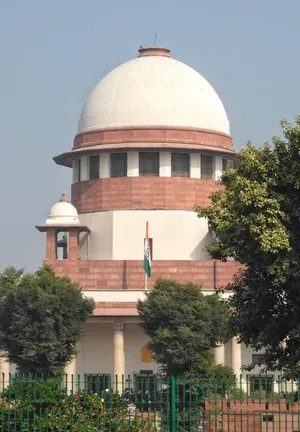
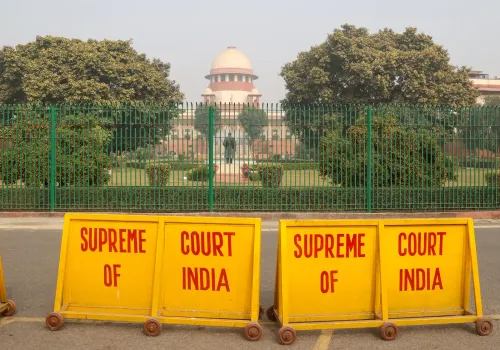
A public interest litigation (PIL) has been filed in the Supreme Court seeking directions to the Centre and all state governments to formulate a 'Standard Questionnaire' and a 'Special Investigation Procedure' to ensure time-bound investigation and speedy trial of paper leak cases across India. The petition, filed under Article 32 of the Constitution, marks a fresh legal push to address what advocates describe as a systemic failure in protecting the integrity of public examinations.
What the Petition Demands
The PIL, filed by advocate Ashwini Kumar Upadhyay, urges the court to direct authorities to assess and confiscate the movable and immovable properties of paper leak perpetrators and their family members allegedly involved in the crime. The petition also seeks invocation of provisions under the Prevention of Corruption Act, the Prevention of Money Laundering Act, the Benami Property Act, and the Black Money Act wherever applicable.
The plea has arrayed the Union government, all states and union territories (UTs), and the Law Commission of India as respondents. It further sought a declaration that sentences in paper leak cases should run consecutively rather than concurrently, to create a stronger deterrent.
NEET Leak and the Human Cost
The petition specifically references the alleged NEET paper leak on 3 May 2026, which it says affected lakhs of students and exposed deep systemic deficiencies in tackling examination-related crimes. 'The cause of action continues to subsist as the consequences of the paper leak remain unremedied, affected candidates continue to suffer prejudice, and no effective safeguards have been implemented to prevent recurrence,' the plea stated.
The PIL paints a stark picture of the human toll: students facing financial hardship, loss of educational and employment opportunities, grave psychological distress, rising suicides, and the burden of unpaid loans. 'Paper leaks have nationwide ramifications, badly affecting students and their families, and many students have committed suicide,' the petition stated.
Gaps in the Existing Legal Framework
Despite the Public Examinations (Prevention of Unfair Means) Act, 2024 having been in force since June 2024, the petition contends that paper leak incidents have continued to rise while the actual masterminds have largely evaded investigation. According to the plea, the existing framework suffers from the absence of time-bound investigation and trial, lack of a Standard Investigation Procedure, failure to trace proceeds of crime and benami assets, non-confiscation of illegally acquired properties, and non-use of Deception Detection Tests (DDTs) to identify masterminds.
The petition also raised the question of whether the Supreme Court's restrictions on the use of DDTs, as laid down in Selvi vs. State of Karnataka, require reconsideration in light of scientific advancements.
Alternative Relief Sought
In the alternative, the petition sought directions to the Law Commission of India to examine international practices relating to paper leak investigations and submit a report within three months. The PIL argued that the continued failure of authorities to prevent, investigate, and effectively prosecute those responsible constitutes an ongoing violation of fundamental rights guaranteed under Articles 14, 16, and 21 of the Constitution.
The Supreme Court is yet to list the petition for hearing; the outcome could set a nationwide precedent for how examination fraud is investigated and prosecuted going forward.
Point of View
The Public Examinations Act of 2024, has been in force for over a year and has demonstrably not stopped leaks or netted the architects behind them. The petition's demand for consecutive sentencing and DDT use signals that advocates believe the deterrence architecture is broken, not merely under-enforced. What the court does with this PIL matters beyond NEET — it could force a structural rethink of how India secures high-stakes examinations, or it could become another entry in the long ledger of public-interest petitions that produced guidelines without accountability.
NationPress
13 Jul 2026
Frequently Asked Questions
What does the PIL in the Supreme Court on paper leaks seek?
The PIL seeks Supreme Court directions to the Centre and all state governments to formulate a 'Standard Questionnaire' and a 'Special Investigation Procedure' for time-bound investigation and speedy trial of paper leak cases. It also demands asset confiscation from perpetrators and consecutive sentencing to strengthen deterrence.
Who filed the PIL on paper leak cases in the Supreme Court?
The PIL was filed by advocate Ashwini Kumar Upadhyay under Article 32 of the Constitution. The Union government, all states and union territories, and the Law Commission of India have been arrayed as respondents.
Why has the Public Examinations Act 2024 been criticised in the petition?
The petition argues that despite the Public Examinations (Prevention of Unfair Means) Act, 2024 being in force since June 2024, paper leak incidents have continued to rise and the actual masterminds have largely evaded investigation. It contends the law lacks time-bound investigation mandates, asset-tracing provisions, and effective deterrent sentencing.
How does the NEET 2026 paper leak relate to this PIL?
The petition specifically cites the alleged NEET paper leak of 3 May 2026 as a trigger, stating it affected lakhs of students and exposed systemic failures. It argues that affected candidates continue to suffer prejudice and no effective safeguards have been implemented to prevent recurrence.
What alternative relief has the petition sought?
If the Supreme Court does not issue direct guidelines, the petition seeks directions to the Law Commission of India to study international practices on paper leak investigations and submit a report within three months. It also questions whether the court's restrictions on Deception Detection Tests from Selvi vs. State of Karnataka should be revisited.