Pilot backs Rahul Gandhi's Kota outreach on education costs
Synopsis
Congress general secretary Sachin Pilot has endorsed Rahul Gandhi's data-driven address to Gen Z youth in Kota, highlighting the crippling cost of coaching and hostel expenses on middle-class families and the acute shortage of opportunities for competitive exam aspirants.
Key Takeaways
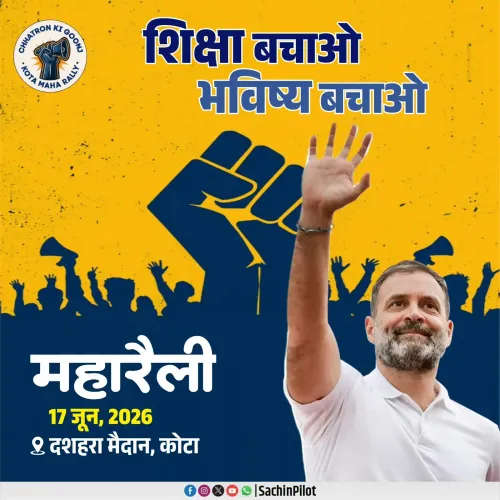
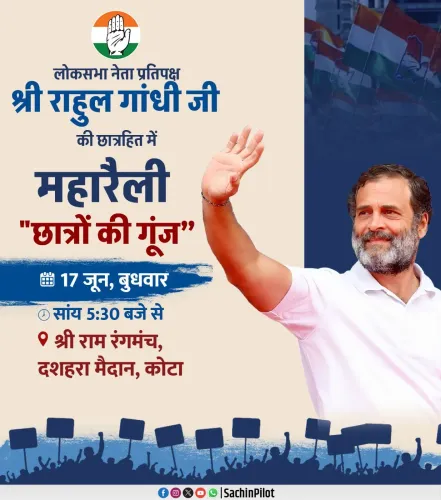
Sachin Pilot publicly endorsed Rahul Gandhi's Gen Z interaction in Kota on June 17, 2026 , calling it a voice for student suffering.
Pilot highlighted that middle-class parents are compelled to spend lakhs of rupees on coaching and hostel fees with limited guaranteed outcomes.
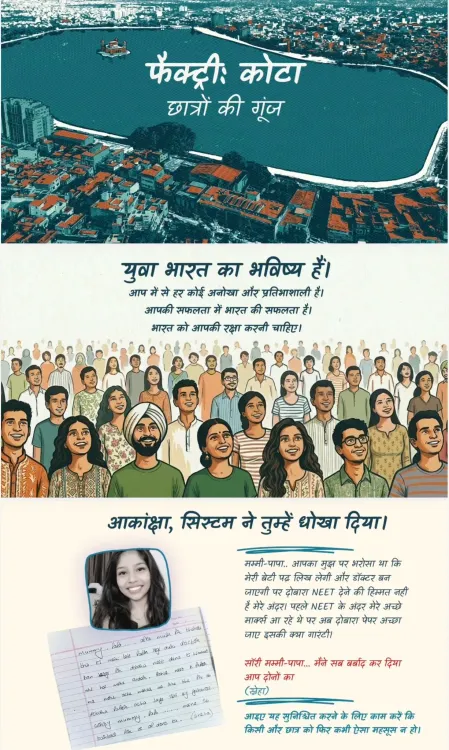
The post was shared under the hashtag #ChhatronKiGoonj ('echo of students'), part of a broader Congress youth-outreach campaign.
Kota is India's primary hub for IIT-JEE and NEET coaching, making it a symbolic setting for education-reform debates.
Congress has positioned rising coaching costs and scarce government college seats as a core middle-class grievance in its opposition narrative.
Attention now turns to whether the party translates this outreach into concrete legislative proposals on coaching regulation and education spending.
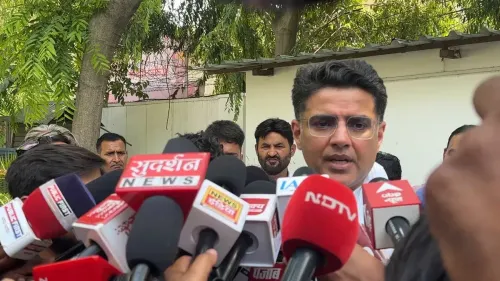
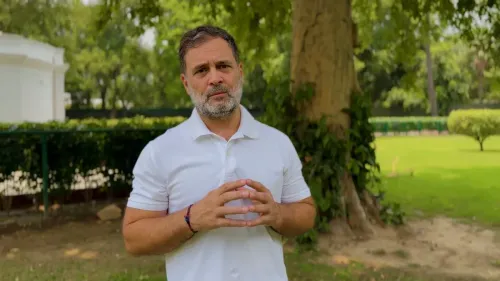
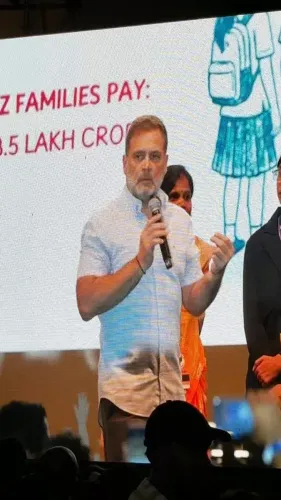
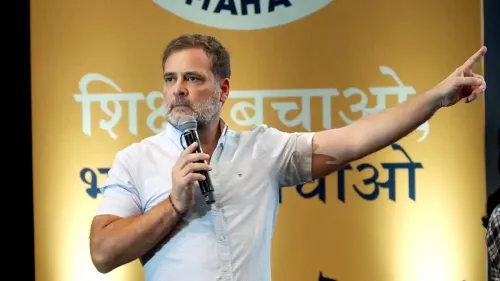
Congress leader and party general secretary Sachin Pilot on Wednesday, June 17, 2026, publicly backed Rahul Gandhi's interaction with Gen Z youth in Kota, Rajasthan, saying the Congress leader had given voice to the suffering of young aspirants and their middle-class families burdened by soaring coaching and hostel expenses.
Context
Posting under the hashtag #ChhatronKiGoonj ('echo of students'), Pilot said that Rahul Gandhi, during the Kota interaction, presented a data-backed picture of the education system that laid bare both the opportunities and challenges facing India's youth. In his words, the event captured 'the compulsion of parents to spend lakhs of rupees on coaching and hostel, and the acute shortage of opportunities relative to the number of candidates — and ultimately it is the middle class that suffers.'
Kota is widely recognised as India's foremost hub for IIT-JEE and NEET coaching, drawing hundreds of thousands of students from across the country each year. The city has long been at the centre of debates on the commercialisation of competitive exam preparation and the mental health toll on young aspirants.
Policy Backdrop
The Right to Education Act, 2009 mandated free and compulsory schooling up to Class 8 but left a significant regulatory void in the competitive exam coaching sector. The National Education Policy 2020 introduced structural reforms emphasising multidisciplinary learning and reduced exam pressure, yet critics argue implementation has been uneven and private coaching costs continue to spiral.
Opposition parties, including the Indian National Congress, have repeatedly linked rising coaching fees and a limited number of government college seats to deepening middle-class economic stress and growing youth disillusionment. The Congress has positioned this as part of a broader critique of what it calls jobless growth and unequal access to quality higher education.
Stakeholders and Impact
Middle-class families are at the sharpest end of the pressure. A family sending a child to Kota for two years of coaching can routinely spend several lakhs of rupees on tuition fees, hostel accommodation, and study material — with no guarantee of a seat in a government institution given the extreme competition ratios. Pilot noted that the mismatch between the number of aspirants and available opportunities ultimately falls hardest on this demographic.
Competitive exam aspirants themselves face psychological strain documented over years in Kota, where student welfare has become a recurring policy concern. Any substantive reform in coaching-sector regulation or an expansion of government college seats would directly affect this constituency.
What's Next
Pilot expressed confidence that Rahul Gandhi's amplification of student grievances would 'not only reach the ears of the government but also bring about a revolutionary change in making the education system easier and more accessible for the middle class.' Attention will now turn to whether the Congress translates this outreach into concrete legislative or policy proposals, and to upcoming debates in Parliament on education expenditure and student-loan access. State-level moves in Rajasthan on coaching-centre regulation will also be closely watched as a potential bellwether for broader reform.
Point of View
The party seeks to own the student-welfare agenda ahead of potential electoral cycles in Rajasthan and nationally. The Kota setting is symbolically loaded: it is simultaneously a monument to aspiration and to the inequities of exam-driven education. Whether this translates into a policy blueprint or remains a mobilisation exercise will determine its long-term political weight.
NationPress
16 Sept 2026
Frequently Asked Questions
What did Sachin Pilot say about Rahul Gandhi's Kota visit?
Sachin Pilot said Rahul Gandhi's interaction with Gen Z youth in Kota gave voice to student suffering, highlighting the financial burden on middle-class families spending lakhs on coaching and hostel fees and the acute shortage of opportunities for competitive exam aspirants.
Why is Kota significant in India's education debate?
Kota is India's largest coaching hub for IIT-JEE and NEET preparation, drawing hundreds of thousands of students annually. It has become a focal point for debates on commercialisation of education, high student expenditure, and mental health concerns among aspirants.
What is #ChhatronKiGoonj?
#ChhatronKiGoonj translates to 'echo of students' and is the hashtag used by Congress to frame Rahul Gandhi's Gen Z outreach as a campaign to amplify student and youth grievances on education and employment.
How much do families typically spend on Kota coaching?
Families sending students to Kota for IIT-JEE or NEET preparation can spend several lakhs of rupees over one to two years on tuition fees, hostel accommodation, and study materials, with no guarantee of securing a government college seat given fierce competition.
What policy reforms address coaching costs in India?
The Right to Education Act 2009 covers schooling up to Class 8 but left the coaching sector largely unregulated. The National Education Policy 2020 introduced reforms aimed at reducing exam pressure, though critics say private coaching costs continue to rise unchecked.