Pilot calls paper leaks an attack on youth rights
Synopsis
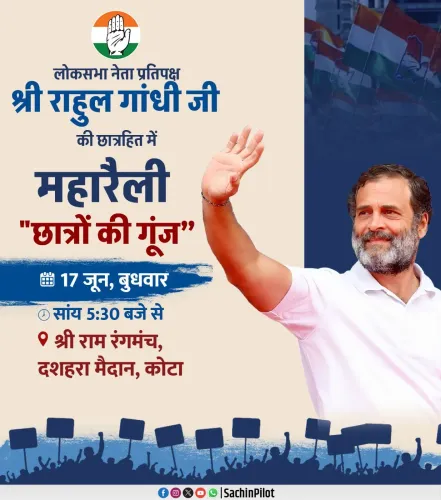
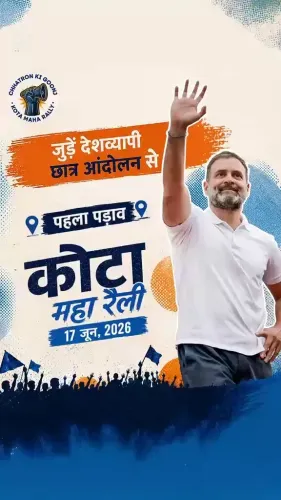
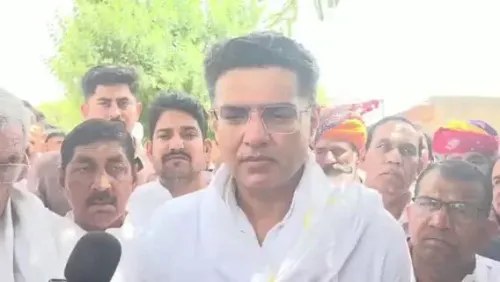
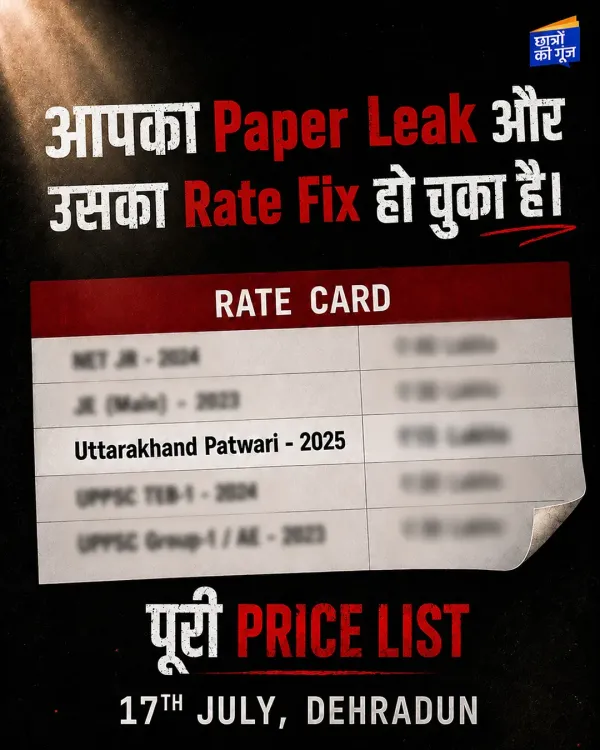
Congress general secretary Sachin Pilot on July 16, 2026, called examination paper leaks a direct attack on youth rights and futures, demanding systemic reform, transparency, and equal opportunity in India's competitive examinations. He spoke under the #ChhatronKiGoonj campaign.
Key Takeaways
Sachin Pilot posted on July 16, 2026 condemning paper leaks in competitive examinations as an assault on youth rights, confidence, and futures.
He called for systemic reform so that examinations are conducted with 'transparency, fairness, and equal opportunity.' The post was made under the hashtag #ChhatronKiGoonj , indicating a broader Congress -aligned youth campaign.
Paper leaks have recurred across national and state-level exams in India over the past decade, eroding public confidence in merit-based selection.
Several states introduced stricter digital monitoring protocols after a wave of incidents between 2013 and 2022 , but enforcement has remained uneven.
Parliamentary discussions on strengthening the National Testing Agency and imposing stricter penalties for malpractice are ongoing.
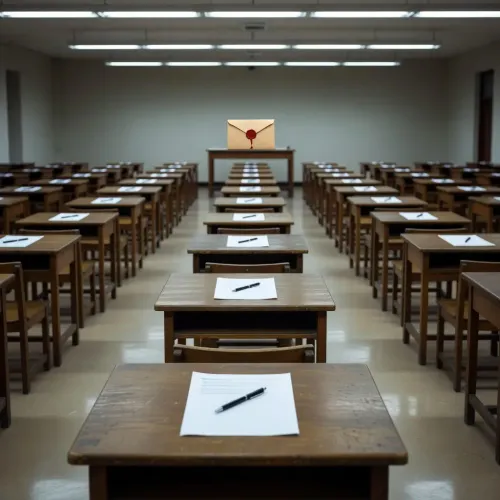
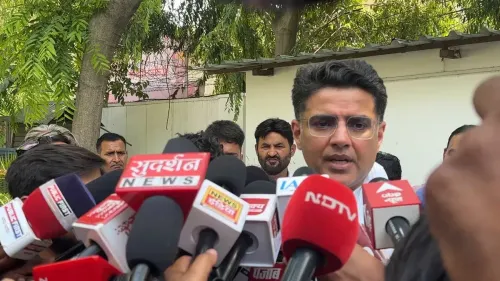
Congress leader and party general secretary Sachin Pilot on Thursday, July 16, 2026, condemned examination paper leaks as a direct assault on the rights, confidence, and futures of India's youth, demanding systemic reform to ensure transparent and fair competitive examinations.
Posting under the hashtag #ChhatronKiGoonj (meaning 'echo of students'), Pilot wrote: 'When question papers start being sold or leaked, questions are raised about the entire system. But the biggest price is paid by the candidate who has worked honestly for years, struggled, and kept hope alive for a better future. Paper leaks are an attack on the rights, confidence, and future of youth.'
He added that 'this fight for justice will only be complete when the system is reformed and examinations are conducted with transparency, fairness, and equal opportunity,' and that 'no young person's future should be ruined because of paper leaks and corruption.'
Context
Paper leaks in competitive examinations have been a recurring crisis in India, affecting national and state-level entrance and recruitment tests over the past decade. The incidents have repeatedly exposed vulnerabilities in examination administration, from printing and distribution to invigilator oversight, stripping deserving candidates of their hard-earned opportunities.
The burden falls disproportionately on aspirants from smaller towns and rural backgrounds who invest years of preparation and limited financial resources into a single examination cycle. When a paper is compromised, re-examinations and prolonged delays push their career timelines back by months or years.
Policy Backdrop
Following a wave of paper leak incidents in state recruitment examinations between 2013 and 2022, several state governments introduced stricter invigilation protocols, biometric attendance, and digital monitoring at examination centres. However, enforcement has remained uneven, and fresh incidents have continued to surface.
At the national level, the functioning of examination bodies has come under parliamentary scrutiny, with ongoing discussions around strengthening oversight mechanisms and introducing legislation to impose stricter criminal penalties for examination malpractices. Indian National Congress has consistently positioned youth employment and examination integrity as core opposition issues.
Stakeholders and Impact
The immediate stakeholders are the millions of exam aspirants — many of them first-generation government-job seekers — whose selection prospects are nullified when a paper is leaked. Beyond individual candidates, the credibility of merit-based public recruitment is at stake, affecting employer confidence in certification and degree holders.
Opposition parties, including Congress, have used paper leak episodes to question the administrative competence of incumbent governments and to push for independent oversight of examination bodies. Civil society groups and student unions have also escalated demands for a dedicated central law with deterrent penalties.
What's Next
Pilot's statement, framed around the broader #ChhatronKiGoonj campaign, signals that Congress intends to sustain pressure on the examination integrity issue as a political and policy priority. Parliamentary sessions are expected to see renewed debate on reforming the National Testing Agency and allied bodies.
Any concrete legislative move to criminalise paper leaks with mandatory minimum sentences would mark a structural shift — and the political momentum generated by youth-focused campaigns could accelerate that process. Until then, aspirants remain exposed to a system whose safeguards have repeatedly proved inadequate.
Point of View
He elevates the discourse from incident management to systemic accountability. The #ChhatronKiGoonj hashtag suggests a coordinated campaign rather than a standalone reaction, indicating that Congress plans to sustain this narrative into the next electoral cycle. The demand for transparent, fair examinations with equal opportunity also implicitly targets the credibility of incumbent governments overseeing examination bodies.
NationPress
16 Jul 2026
Frequently Asked Questions
What did Sachin Pilot say about paper leaks?
Sachin Pilot said paper leaks are an attack on the rights, confidence, and future of youth who have worked honestly for years, and demanded that examinations be conducted with transparency, fairness, and equal opportunity.
What is the #ChhatronKiGoonj campaign?
#ChhatronKiGoonj, meaning 'echo of students,' is the hashtag under which Sachin Pilot posted his statement on July 16, 2026, suggesting a Congress-aligned campaign focused on student and youth issues, particularly examination integrity.
How serious is the paper leak problem in India?
Paper leaks have recurred across national and state-level entrance and recruitment examinations in India over the past decade, repeatedly nullifying the efforts of lakhs of aspirants and eroding public confidence in merit-based selection systems.
What reforms have been proposed to stop exam paper leaks in India?
Several states introduced stricter invigilation, biometric attendance, and digital monitoring after incidents between 2013 and 2022. At the national level, parliamentary discussions are ongoing on strengthening the National Testing Agency and enacting legislation with stricter criminal penalties for malpractice.
Why does Congress focus on paper leak issues?
Congress, as a major national opposition party, has consistently highlighted examination integrity and youth employment as political priorities, using paper leak incidents to question the administrative competence of incumbent governments and demand institutional reform.