Piyush Goyal: Wangchuk ends fast after govt assurance
Synopsis
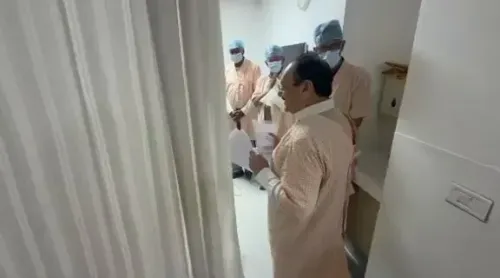
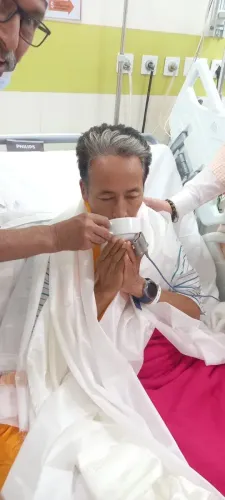
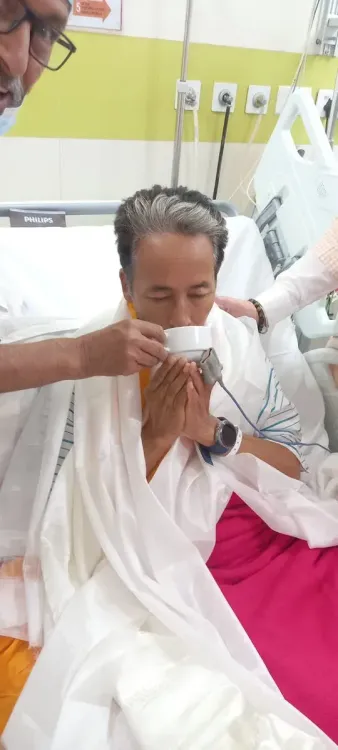
Activist Sonam Wangchuk ended his fast on 24 July 2026 after Union Ministers JP Nadda and Dr Jitendra Singh visited him at Medanta Hospital, Gurugram. Commerce Minister Piyush Goyal said the government remains committed to tackling paper leaks and strengthening examination reforms to protect students' interests.
Key Takeaways
Sonam Wangchuk ended his fast on 24 July 2026 after a government intervention at Medanta Hospital, Gurugram .
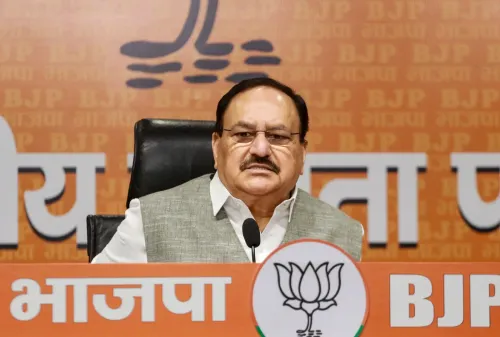
Senior ministers JP Nadda and Dr Jitendra Singh personally visited Wangchuk and conveyed the government's assurances.
The government reaffirmed its commitment to act 'firmly against paper leaks' and to strengthen the national examination system.
Parliament had already enacted the Public Examinations (Prevention of Unfair Means) Act, 2024 to deter malpractice in centrally conducted tests.
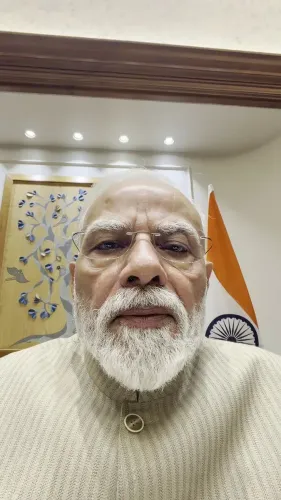
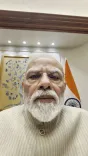
PM Narendra Modi has been quoted as saying every culprit undermining the nation's future will be punished.
Implementation of promised examination reforms and further regulatory steps remain the key watch points going forward.
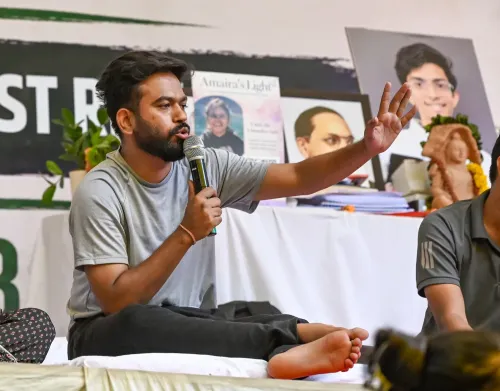
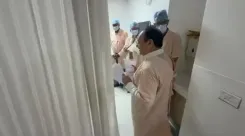
Union Commerce and Industry Minister Piyush Goyal announced on Friday, 24 July 2026 that Ladakhi activist Sonam Wangchuk has ended his fast after senior government ministers visited him at Medanta Hospital, Gurugram, and assured him of the government's commitment to address students' concerns.
Context
In his post, Goyal stated that his colleagues, JP Nadda and Dr Jitendra Singh, met Wangchuk at Medanta Hospital in Gurugram and conveyed the government's resolve to act on concerns related to examination integrity. Goyal wrote: 'Wangchuk ji's decision to end his fast reflects his trust in the Modi government's commitment to students' interests.'
The post, published in both English and Hindi, quoted Prime Minister Narendra Modi as having said that 'India's youth are a force for nation-building and every culprit operating against the nation's future will be punished.' ('देश के युवाओं के हितों की रक्षा सरकार की सर्वोच्च प्राथमिकताओं में से एक है' — 'Protecting the interests of the nation's youth is one of the government's top priorities.')
Policy Backdrop
The government's assurances come against the backdrop of sustained public pressure over alleged paper leaks in high-stakes national examinations, including NEET and UPSC-linked tests. Parliament enacted the Public Examinations (Prevention of Unfair Means) Act, 2024, specifically to deter malpractice and paper leaks in centrally conducted exams.
Goyal reiterated that the government has 'time and again' made clear its intent to take strict action against paper leaks and to strengthen examination reforms, framing exam integrity as central to protecting youth opportunities and national development goals.
Stakeholders and Impact
Sonam Wangchuk, the Ladakhi engineer and activist known for founding the Students' Educational and Cultural Movement of Ladakh (SECMOL), has been a prominent voice on education and governance issues. His decision to fast and the subsequent high-level intervention by JP Nadda — a senior BJP leader and Union Minister — and Dr Jitendra Singh, Minister of State for Personnel, Public Grievances and Pensions, underscores the political weight the government has attached to resolving the standoff.
Millions of exam aspirants across India, particularly those preparing for competitive entrance and recruitment tests, are the primary stakeholders in any reform of the examination ecosystem. Credible, leak-proof examinations directly determine access to higher education seats and government jobs.
What's Next
The government's assurances now face scrutiny on implementation. Observers will watch for concrete steps — new regulatory measures, technology upgrades for exam delivery, or parliamentary action — that translate the ministerial commitments into systemic change. The timeline for promised examination reforms and any further legislative or administrative steps on paper-leak prevention will be closely tracked by student groups and civil society.
Point of View
Not merely a civil society protest. By framing Wangchuk's decision to break his fast as an expression of 'trust in the Modi government,' the messaging seeks to convert a moment of public criticism into a validation of governance. This fits a broader pattern where the administration responds to exam-integrity crises with high-profile legislative and political gestures — the 2024 anti-paper-leak law being the clearest precedent — while implementation timelines remain the harder test. The episode also highlights how regional activists with national profiles can extract ministerial attention in ways that ordinary student groups rarely can.
NationPress
24 Jul 2026
Frequently Asked Questions
Why did Sonam Wangchuk go on a fast?
Sonam Wangchuk undertook a fast to press the government on concerns related to students' interests, including the integrity of national examinations and the problem of paper leaks. He ended the fast on 24 July 2026 after senior Union Ministers JP Nadda and Dr Jitendra Singh visited him at Medanta Hospital, Gurugram, and assured him of the government's commitment to address these concerns.
Who is Sonam Wangchuk?
Sonam Wangchuk is a Ladakhi engineer, innovator and activist best known for founding the Students' Educational and Cultural Movement of Ladakh (SECMOL). He has been a prominent voice on education, environment and governance issues in Ladakh and has gained national recognition for his work.
What is the Public Examinations (Prevention of Unfair Means) Act, 2024?
The Public Examinations (Prevention of Unfair Means) Act, 2024 is a central law enacted by the Indian Parliament to deter paper leaks, impersonation and other malpractices in national-level competitive examinations. It prescribes strict penalties for those found guilty of unfair means in exams conducted by bodies such as NTA, UPSC and SSC.
What did JP Nadda and Dr Jitendra Singh assure Sonam Wangchuk?
According to Commerce Minister Piyush Goyal's post, JP Nadda and Dr Jitendra Singh assured Wangchuk of the government's commitment to address students' concerns, act firmly against paper leaks, and strengthen examination reforms. The specific details of the assurances given during the hospital meeting have not been officially detailed beyond this statement.
What happens next after Wangchuk ends his fast?
The focus now shifts to whether the government follows through on its assurances with concrete policy action — such as new regulations, technology-driven exam delivery upgrades, or further parliamentary steps on paper-leak prevention. Student groups and civil society will closely watch the implementation timeline for the promised examination reforms.