PM Modi approves Khelo India expansion, higher federation grants

Synopsis
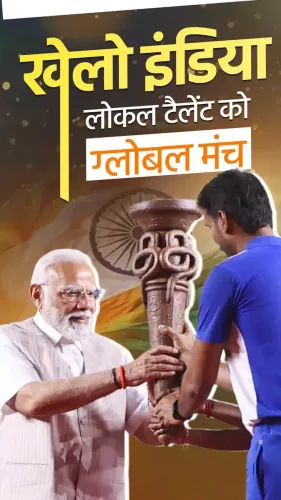
Prime Minister Narendra Modi announced on July 31, 2026 that the government has approved an expansion of the Khelo India scheme and increased financial assistance to National Sports Federations, aiming to improve training, facilities, and institutional support for young athletes across India.
Key Takeaways
The government has approved the expansion of the Khelo India scheme , India's flagship grassroots sports programme launched in 2017 .
Financial assistance to National Sports Federations has been approved for an increase, strengthening support for elite training and competition administration.
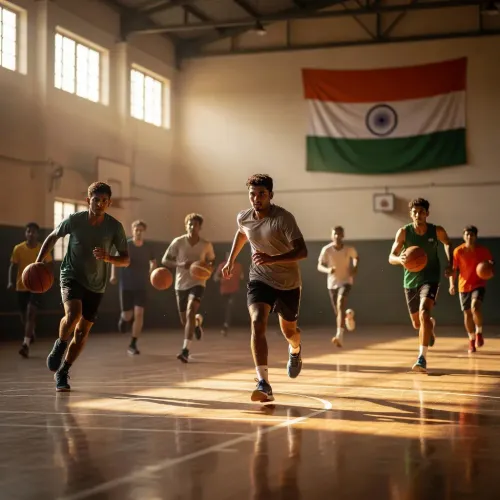
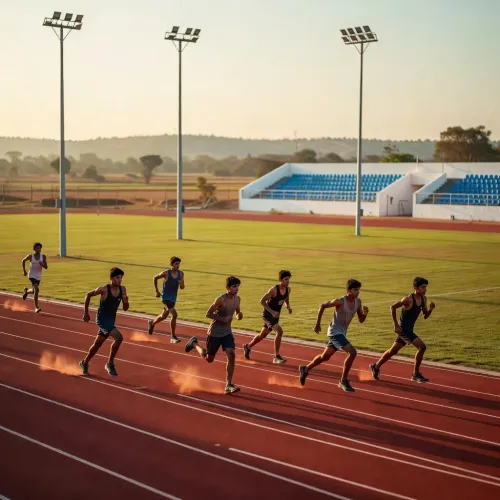
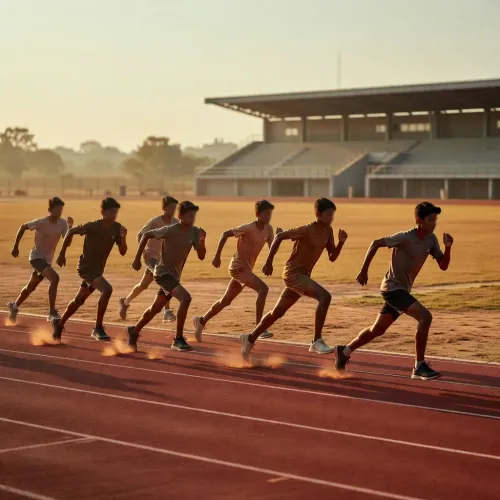
The twin measures are aimed at giving young athletes across India access to better training and modern sporting facilities.
The move continues a pattern of incremental central government investment in sports, complementing schemes like the Target Olympic Podium Scheme .
State government partnerships and the next parliamentary budget allocation will determine the pace of on-ground implementation.
A fresh commitment to India's sporting future arrived on Friday, July 31, 2026, as Prime Minister Narendra Modi announced cabinet approval for the expansion of the Khelo India scheme alongside a significant increase in financial assistance to National Sports Federations — a twin move designed to lift young athletes from grassroots training all the way to elite competition.
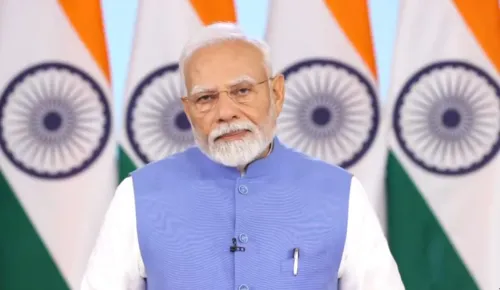
In his post, Prime Minister Modi wrote: 'देश में खेल संस्कृति को बढ़ावा देने के लिए हमारी सरकार पूरी तरह प्रतिबद्ध है' — 'Our government is fully committed to promoting a sports culture in the country.' The approval, he said, would give young athletes across India access to better training, modern facilities, and stronger institutional support.
What the Khelo India expansion means for grassroots sport
Khelo India was launched in 2017 as the central government's flagship vehicle for rebuilding India's sports ecosystem from the school level upward — identifying talent, funding infrastructure, and creating a pipeline to elite competition. Since its inception, successive budget cycles have widened its scope, and this latest expansion continues that trajectory.
The scheme's architecture connects directly to the athlete's journey: a young player identified at a district sports meet can receive a scholarship, structured coaching, and access to upgraded facilities — all within the Khelo India framework. Broadening that framework means more entry points into the system, particularly for athletes in states that have historically been under-served by central sports infrastructure.
Federation funding: the link between talent and the podium
National Sports Federations — the recognised governing bodies for both Olympic and non-Olympic disciplines — depend on central grants for everything from high-performance coaching camps to international travel and competition administration. Raising that assistance directly addresses a long-standing complaint from federations that annual allocations have not kept pace with the cost of elite preparation.
The move fits a broader pattern: the central government has paired Khelo India's grassroots push with programmes like the Target Olympic Podium Scheme to build a continuous pipeline from participation to medals. The logic is straightforward — more children playing, better-funded federations coaching, stronger results on the world stage.
What comes next for India's sports budget
The immediate question is the parliamentary allocation that will underpin the expanded Khelo India outlay in the next financial year, and whether fresh agreements with state governments will follow to fund new sports infrastructure on the ground. State partnership has historically determined how quickly central sports schemes translate into actual facilities for athletes.
For now, the approval signals that sports spending remains a policy priority — and that the government is betting on institutional investment, not just individual talent, as the path to sustained international performance.
Point of View
Sports investment also carries political currency, projecting a 'New India' narrative of global competitiveness ahead of the 2028 Olympics cycle. The critical test, as with previous Khelo India expansions, will be whether state governments sign on quickly enough to convert central funds into actual infrastructure. Without robust state-level execution, the announcement risks becoming another well-intentioned allocation that stalls at the last mile.
NationPress
31 Jul 2026
Frequently Asked Questions
What is the Khelo India scheme?
Khelo India is India's central government flagship sports scheme, launched in 2017 , designed to promote grassroots sports participation, identify young talent, and develop sports infrastructure across states, creating a pathway from school-level play to elite competition.
What did PM Modi announce about Khelo India on July 31, 2026?
Prime Minister Modi announced that the government has approved an expansion of the Khelo India scheme along with an increase in financial assistance to National Sports Federations, with the goal of providing young athletes better training and modern facilities.
What are National Sports Federations and why does their funding matter?
National Sports Federations are the government-recognised governing bodies for Olympic and non-Olympic sports in India. They use central grants to fund high-performance coaching, international competition travel, and administration — making their funding level directly linked to India's elite sports outcomes.
How does Khelo India connect to India's Olympic performance?
Khelo India functions as the pipeline: it identifies and supports young athletes at the grassroots level, while complementary programmes like the Target Olympic Podium Scheme focus on preparing elite athletes for international medals. Together, they form India's long-term sports development strategy.
What will determine whether this sports expansion actually reaches athletes on the ground?
State government partnerships and the parliamentary budget allocation for the expanded Khelo India scheme in the next financial year are the key factors. Historically, the speed of state sign-on has determined how quickly central sports funds translate into real infrastructure and coaching for athletes.