PM Modi approves MSP hike for Rabi crops ahead of 2027-28 season
Synopsis
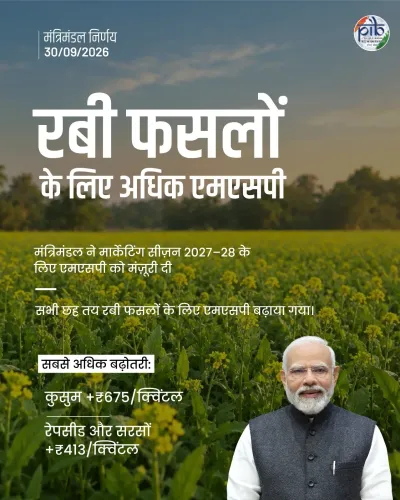
Prime Minister Narendra Modi announced on 30 September 2026 that the Cabinet has approved an MSP increase for Rabi crops for the 2027-28 marketing season, reaffirming the government's pledge to protect and raise farmer incomes across India.
Key Takeaways
PM Modi announced Cabinet approval of an MSP hike for Rabi crops for the 2027-28 marketing season on 30 September 2026 .
The Minimum Support Price is a government-fixed floor price that shields farmers from market volatility and guarantees minimum returns.
Rabi crops covered include wheat, barley, gram, mustard and lentils — winter-sown staples critical to India's food supply.
Since 2018 , the government has followed the principle of fixing MSP at at least 1.5 times the comprehensive cost of production .
Exact crop-wise revised rates are yet to be notified by the Ministry of Agriculture ; state procurement arrangements will follow.
The announcement follows annual recommendations by the Commission for Agricultural Costs and Prices (CACP) .
Crores of farmers across India woke up to a direct promise from the top: their incomes will rise. Prime Minister Narendra Modi announced on Wednesday, 30 September 2026 that the Union Cabinet has approved an increase in the Minimum Support Price (MSP) for Rabi crops for the 2027-28 marketing season, continuing the government's stated commitment to protecting and enhancing farmer livelihoods.
In a post in Hindi on X, PM Modi wrote: 'देशभर के किसानों के हितों की रक्षा के साथ ही उनकी आय में बढ़ोतरी के लिए हम कोई कोर-कसर नहीं छोड़ रहे हैं' — 'We are leaving no stone unturned to protect the interests of farmers across the country and to increase their income.' He added that the government has approved a hike in MSP for Rabi crops for the 2027-28 marketing season, a move that will benefit crores of farmer brothers and sisters across the nation.What MSP means for India's farming households
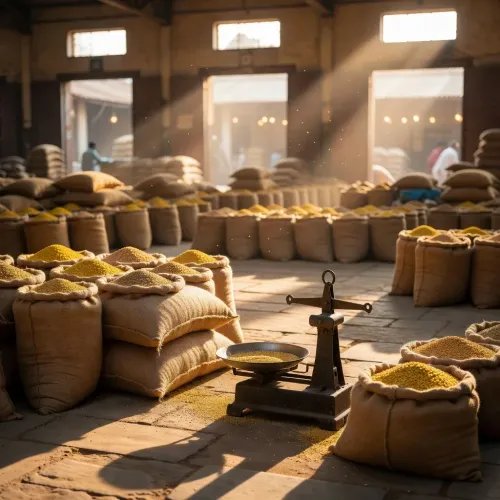
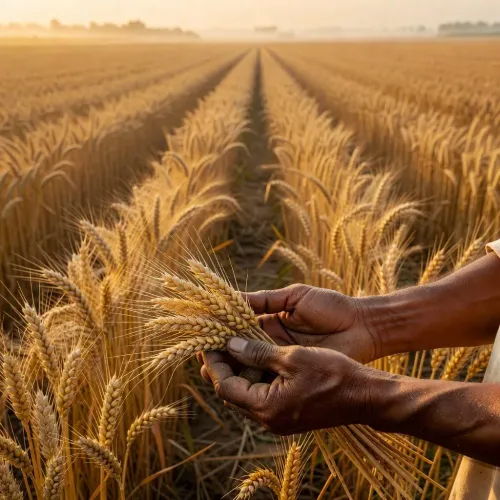
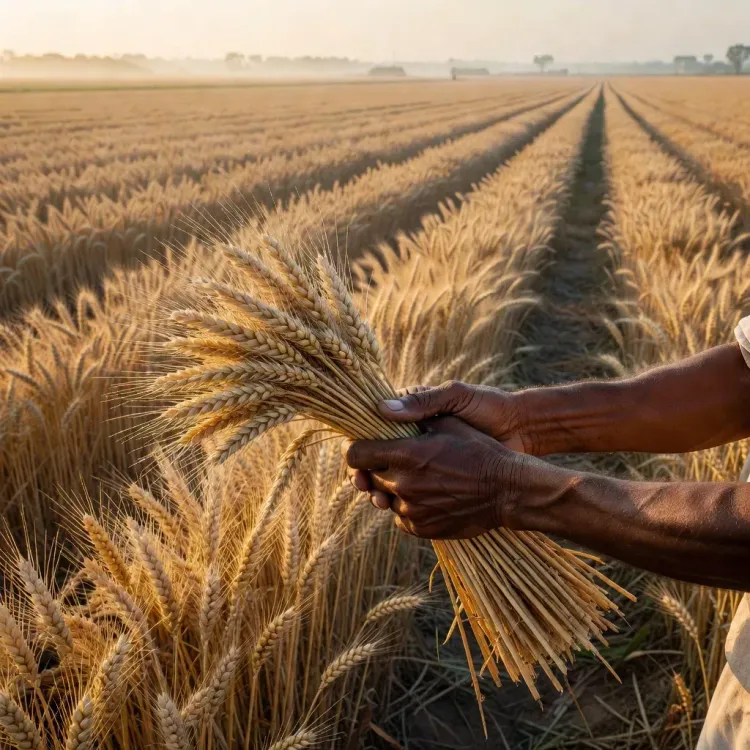
The Minimum Support Price is a government-fixed floor price for select crops, designed to shield farmers from the volatility of open markets and guarantee a baseline return on their harvest. It functions as a financial safety net: when market prices fall, the state steps in to procure at the MSP, preventing distress sales. Rabi crops — sown in winter and harvested in spring — include staples such as wheat, barley, gram (chickpeas) and mustard, which together feed a substantial portion of India's food supply chain.
The practical weight of this announcement is significant. India's agricultural workforce numbers in the hundreds of millions, and even modest per-quintal increases in support prices translate into meaningful income shifts at the household level, particularly for small and marginal farmers who lack the bargaining power to negotiate better rates in mandis.
A policy rooted in the 1.5x cost formula
The structural anchor for MSP revisions has been in place since 2018, when the central government formally adopted the principle of fixing support prices at at least 1.5 times the comprehensive cost of production for major crops — a formula long demanded by farmer organisations and agricultural economists. Each annual revision is informed by the recommendations of the Commission for Agricultural Costs and Prices (CACP), which analyses input costs, yield trends, and market conditions before advising the Cabinet.
This year's Rabi MSP revision follows the same established administrative cycle. The announcement precedes the sowing season, giving farmers a price signal before they commit land and capital to a particular crop — a sequencing that experts consider critical for the policy to actually influence cropping decisions.
Exact figures awaited — what comes next
The Cabinet approval has been confirmed, but the crop-wise breakdown of revised rates — covering wheat, barley, gram, mustard and lentils — is yet to be formally notified by the Ministry of Agriculture. State governments will then need to mobilise procurement infrastructure, including storage capacity and payment pipelines, ahead of the harvest window in early 2028.
The numbers, when they arrive, will be the real test of the announcement's weight. A hike that merely keeps pace with rising input costs — diesel, fertiliser, labour — offers little real-terms gain. A hike that meaningfully outstrips those costs is what turns a policy headline into a farmgate reality.
Point of View
MSP announcements serve a dual purpose: they address a genuine economic pressure point for rural households while reinforcing the government's 'kisan-first' narrative that has been central to its electoral messaging since 2014. The 1.5x cost-of-production benchmark, formalised in 2018, gave the policy a quantifiable anchor that previous governments lacked, though farmer unions have consistently contested whether the 'comprehensive cost' formula used fully captures land-rental and family-labour costs. Until the crop-wise figures are published, the real magnitude of this year's hike — and whether it outpaces input-cost inflation — remains the critical open question.
NationPress
30 Sept 2026
Frequently Asked Questions
What is MSP and how does it help farmers in India?
MSP, or Minimum Support Price, is a government-guaranteed floor price for select crops. It ensures that even when market prices fall, farmers can sell their produce to government agencies at the declared price, protecting them from distress sales and income shocks.
Which Rabi crops are covered under the MSP hike announced by PM Modi?
Rabi crops typically covered under MSP include wheat, barley, gram (chickpeas), mustard and lentils. The government has approved a hike for the 2027-28 marketing season; exact rates for each crop will be notified by the Ministry of Agriculture.
What is the 1.5 times cost of production formula for MSP?
Since 2018, the Indian government has committed to fixing MSP at a minimum of 1.5 times the comprehensive cost of production for major crops. This formula, recommended by the Commission for Agricultural Costs and Prices, is intended to ensure a remunerative return above input costs.
When will the new Rabi MSP rates for 2027-28 be officially notified?
The Cabinet has approved the increase, but the detailed, crop-wise revised MSP figures are yet to be formally notified by the Ministry of Agriculture. State governments will then set up procurement arrangements ahead of the 2027-28 Rabi harvest.
How often does the Indian government revise MSP for crops?
The government revises MSP on an annual cycle — separately for Kharif (summer-sown) and Rabi (winter-sown) seasons — based on recommendations from the Commission for Agricultural Costs and Prices (CACP), which analyses input costs, yields and market conditions each year.