PM Modi calls CM Naidu, seeks AP cyclone damage report
Synopsis
Prime Minister Modi called Andhra Pradesh CM Naidu on 4 November 2026 to assess damage from two cyclones within a week. Naidu briefed him on large-scale sectoral losses and sought central aid. Modi praised the state's response and urged continued vigilance, signalling potential central relief ahead.
Key Takeaways
PM Narendra Modi telephoned CM Nara Chandrababu Naidu on the morning of 4 November 2026 to review cyclone damage in Andhra Pradesh .
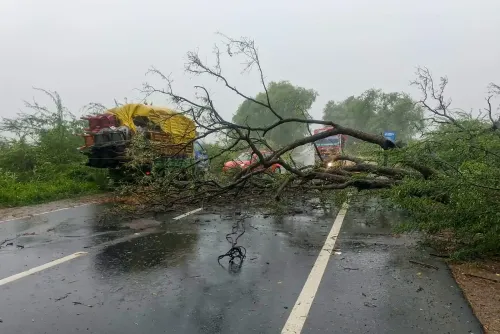
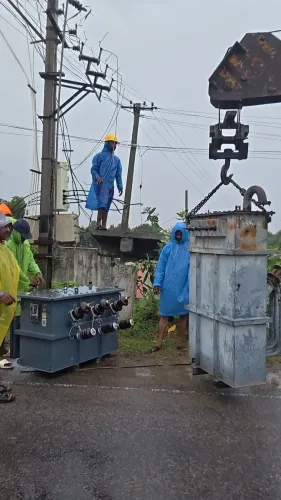
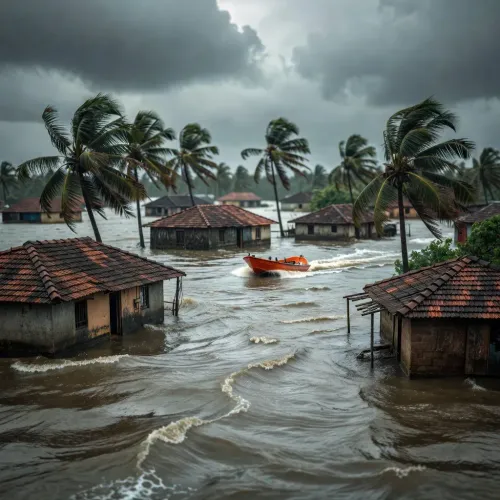
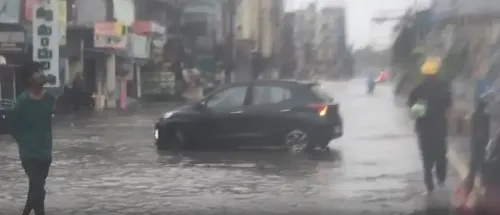
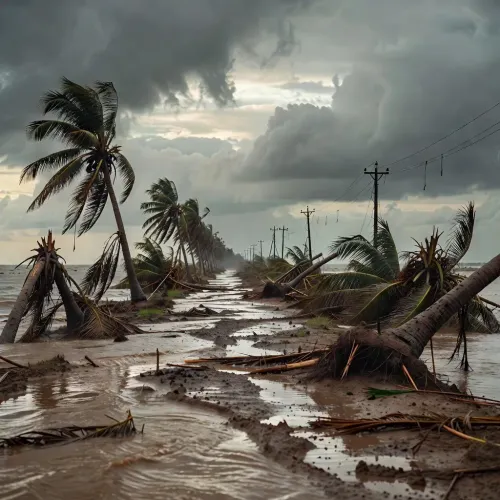
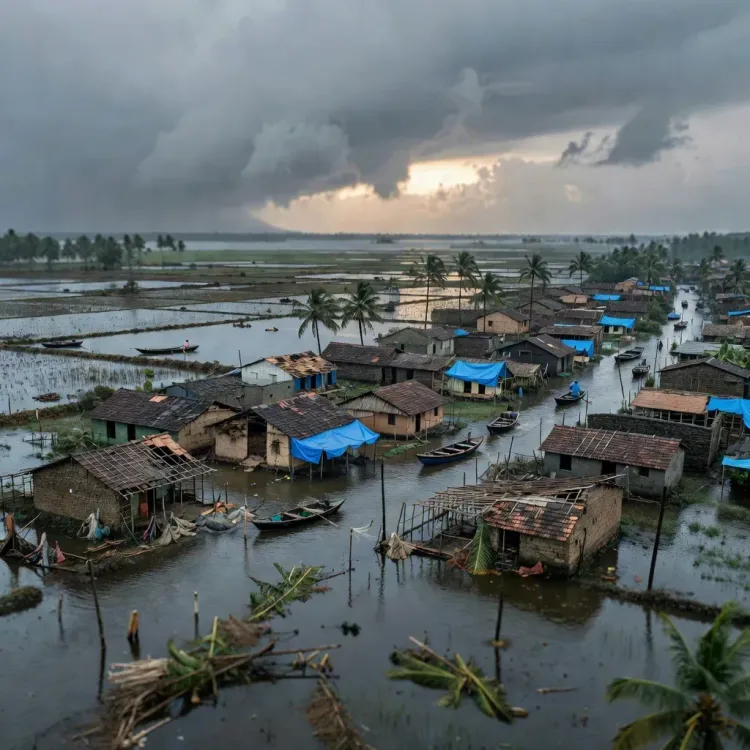
Andhra Pradesh was struck by two cyclones within a single week, causing large-scale losses across multiple sectors.
CM Naidu formally requested central government financial assistance during the call.
PM Modi praised the state administration for its 'constant vigilance' and effective disaster response.
The call follows a well-established federal pattern where PM-CM direct contact precedes formal NDMA and finance interventions.
A central team visit and official memorandum of losses are expected as the next steps in the relief process.
Two cyclones in seven days. That is the battering Andhra Pradesh absorbed before Prime Minister Narendra Modi picked up the phone on Wednesday morning, 4 November 2026, to personally call Chief Minister Nara Chandrababu Naidu and ask how the state was holding up — a call that now sets the clock ticking on potential central relief.
What Modi asked, what Naidu answered
According to the Chief Minister's Office of Andhra Pradesh, the Prime Minister enquired specifically about ground conditions in the affected regions. CM Naidu briefed him on the scale of the destruction — describing 'large-scale losses across various sectors' — and formally requested that the central government extend appropriate assistance to the state. The appeal is the first public step in what is typically a multi-week process of damage-assessment missions, NDMA deliberations, and eventual fund releases.
PM Modi did not merely listen. He praised the state administration's performance, noting that the Andhra Pradesh government had 'effectively navigated the difficulties caused by the cyclones through constant vigilance' — a public endorsement that carries political weight ahead of any financial decision.
A coast that knows this playbook well
Andhra Pradesh sits flush against the Bay of Bengal, one of the world's most active cyclone nurseries. Naidu has been here before: when Cyclone Hudhud devastated the coast in October 2014 — almost exactly twelve years ago — he was Chief Minister then too, and mobilised central support through direct PM-level engagement. That episode became a template for how the state pursues federal disaster aid. Two storms inside a single week sharpens the urgency considerably.
Indian federal practice is well-grooved here. A PM phone call to a CM in the immediate aftermath of a major cyclone is not ceremonial — it is the political signal that opens the pipeline. It typically precedes a formal inter-ministerial central team visit, a state-submitted memorandum of losses, and eventually a Finance Commission or NDMA-sanctioned release from the National Disaster Response Fund. The 2019 update to NDMA guidelines expanded the categories of damage eligible for central reimbursement, giving states like Andhra Pradesh a broader claim surface.
What comes next for AP's relief clock
The state's formal request for central assistance, flagged in this call, is likely to be followed in coming days by a written memorandum detailing sector-wise losses — agriculture, housing, infrastructure, power — submitted to the Union Home Ministry. A central team visit to assess on the ground would then validate those numbers before any package is announced.
For the millions of residents in cyclone-hit districts, the speed and scale of that central response will determine how quickly life returns to normal. The PM's praise for the state's vigilance sets a constructive tone — but money, not compliments, rebuilds homes.
Point of View
Signalling that the Centre is politically invested in the response. For Naidu, who built his disaster-management credibility during Hudhud in 2014, Modi's public praise is both a validation and a lever: it makes it harder for the Centre to slow-walk the relief package without political cost. The twin-cyclone scenario strengthens AP's claim for an enhanced central grant beyond routine SDRF norms. Watch for whether the Centre's response matches the warmth of the phone call.
NationPress
4 Nov 2026
Frequently Asked Questions
Why did PM Modi call CM Chandrababu Naidu in November 2026?
PM Modi called CM Naidu on 4 November 2026 to personally enquire about conditions in cyclone-affected areas of Andhra Pradesh after the state was hit by two cyclones within a single week.
What did CM Naidu ask from the central government after the cyclones?
CM Naidu briefed PM Modi on large-scale damage across multiple sectors and formally requested that the central government extend appropriate financial and relief assistance to Andhra Pradesh .
How does the central government provide disaster relief to states in India?
States submit a formal memorandum of losses to the Union Home Ministry; a central inter-ministerial team then visits to verify damage, after which funds are released through the National Disaster Response Fund under NDMA guidelines.
Has Andhra Pradesh faced cyclone crises under Chandrababu Naidu before?
Yes. During Cyclone Hudhud in October 2014 , CM Naidu was also in office and successfully mobilised central support through direct PM-level engagement, a playbook he is now replicating.
What happens after a PM calls a CM about cyclone damage?
In Indian federal practice, the call typically precedes a formal state memorandum of losses, a central assessment team visit, and eventually an NDMA or Finance Commission-approved relief package for the affected state.