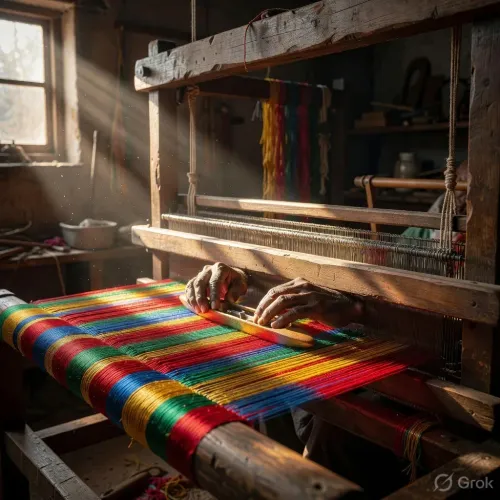
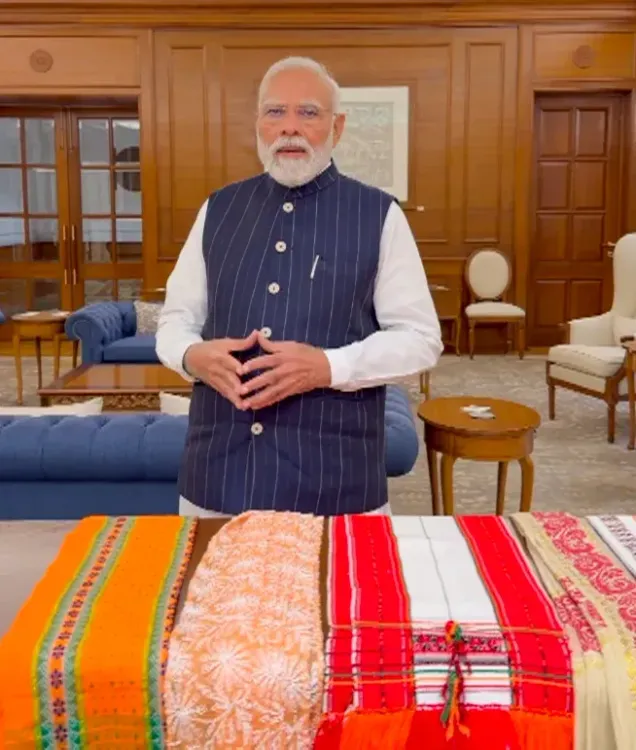
PM Modi greets nation on National Handloom Day, calls on citizens to back India's weavers
Synopsis
PM Modi marked National Handloom Day by tying a 120-year-old Swadeshi legacy to a very 2025 ask — GRWM videos and hashtag campaigns. The appeal to youth to treat handloom shopping with the same energy as Friendship Day is a deliberate rebranding of a rural livelihood cause as a cultural moment for digital India.
Key Takeaways
PM Modi greeted the nation on National Handloom Day on 7 August via a post on X .
He reaffirmed government support for the handloom sector, calling it a pillar of rural empowerment and women-led development .
Modi recalled the Swadeshi Movement of 7 August 1905 , linking it to the Aatmanirbhar Bharat vision.
Citizens were urged to purchase at least one handloom product and post #NationalHandloomDay GRWM videos.
National Handloom Day has been observed on 7 August every year since 2015 .
Prime Minister Narendra Modi on 7 August extended greetings to the nation on National Handloom Day, paying homage to India's centuries-old weaving traditions and the artisans who have kept them alive. In a post on X, Modi saluted the skill and dedication of weavers while reaffirming his government's commitment to the sector.
What the Prime Minister Said
'Today, on National Handloom Day, we celebrate India's rich and vibrant handloom heritage. We also salute the skill, creativity and dedication of our weavers and artisans. For generations, they have preserved and enriched our traditions,' Modi wrote.
He added that his government would continue supporting the handloom sector, describing it as 'an important pillar of rural empowerment, women-led development and fulfilling the dream of an Atmanirbhar Bharat.' He also invited citizens to share their favourite handloom products and GRWM (Get Ready With Me) videos using the hashtag #NationalHandloomDay.
The Swadeshi Connection
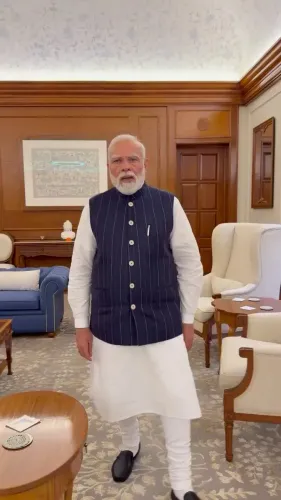
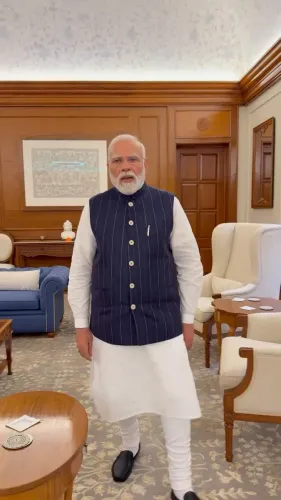
A day earlier, on Thursday, Modi had released a two-minute Instagram reel recalling the historical weight of 7 August 1905 — the date the Swadeshi Movement was formally launched against British rule, widely regarded as the ideological forerunner of a self-reliant India.
'Friends, we must not forget 7 August 1905. It was on this day that the Swadeshi movement began, with people across the country joining the struggle against British rule,' he said in the video.
Handloom Day Meets Friendship Day
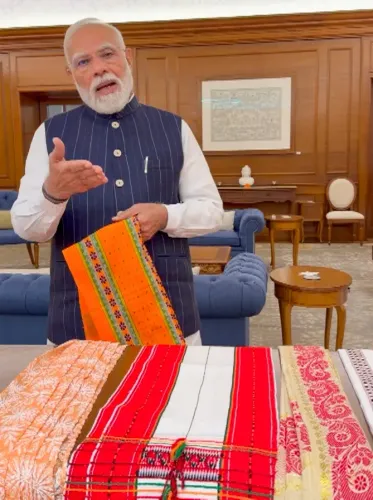
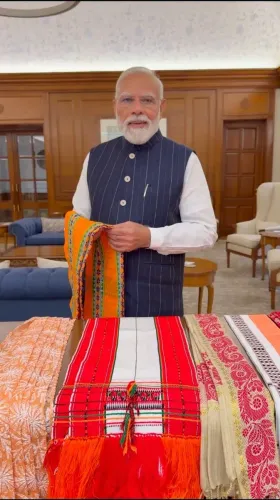
Drawing a deliberate parallel with the recently observed Friendship Day, the Prime Minister appealed to citizens — particularly the youth — to bring the same enthusiasm to National Handloom Day. 'Just as you celebrated Friendship Day with great warmth, celebrate Handloom Day too. Celebrating Handloom Day means supporting the livelihoods of weaver families who create fabrics by hand,' he said.
He urged people to buy at least one handloom product and post GRWM videos in handloom attire, arguing that every such post honours India's artisans while advancing the Aatmanirbhar Bharat vision.
Why the Handloom Sector Matters
The handloom industry is one of India's largest rural employers, providing livelihoods to millions of weavers — a significant share of them women. National Handloom Day has been observed on 7 August every year since 2015, when the government chose the date to commemorate the Swadeshi Movement's centenary. This year's messaging ties economic nationalism to cultural pride, framing handloom purchases as both a patriotic act and a direct income transfer to rural households.
With the government's broader push to position traditional crafts within the Aatmanirbhar Bharat framework, the Prime Minister's social media outreach signals an intent to use digital platforms to drive demand for handloom goods among younger consumers.
Point of View
If it lands. The Swadeshi Movement callback is politically resonant but also sets a high bar: the 1905 movement produced measurable economic disruption to British textile imports. Whether a hashtag campaign moves the needle for weavers the way mill boycotts once did is the question mainstream coverage is not asking. The handloom sector's structural challenges — competition from powerloom imitations, lack of GI enforcement, and thin margins for weavers — require more than social media momentum.
NationPress
7 Aug 2026
Frequently Asked Questions
What is National Handloom Day and why is it observed on 7 August?
National Handloom Day is observed on 7 August every year since 2015 to honour India's weaving community and promote handloom products. The date commemorates the launch of the Swadeshi Movement on 7 August 1905, when Indians pledged to boycott British goods and support indigenous industries.
What did PM Modi say on National Handloom Day 2025?
PM Modi posted on X saluting the skill and dedication of India's weavers and artisans, and pledged continued government support for the handloom sector. He also called on citizens to buy handloom products and share GRWM videos using #NationalHandloomDay.
What is the significance of the Swadeshi Movement in the context of Handloom Day?
The Swadeshi Movement, launched on 7 August 1905, called on Indians to reject British-manufactured goods and support homegrown industries, including handloom textiles. The government chose this date for National Handloom Day in 2015 to draw a direct line between that historical movement and the modern Aatmanirbhar Bharat vision.
Why did PM Modi compare Handloom Day to Friendship Day?
Modi appealed to citizens — especially the youth — to celebrate National Handloom Day with the same enthusiasm as Friendship Day, framing handloom purchases as a way to directly support the livelihoods of weaver families. The comparison was a deliberate attempt to make the occasion culturally relevant to younger, digitally active Indians.
How does the handloom sector connect to women-led development?
A significant share of India's handloom workforce is women, making the sector a key driver of rural female employment. PM Modi described handloom as an important pillar of women-led development and rural empowerment, linking it to the broader Aatmanirbhar Bharat framework.