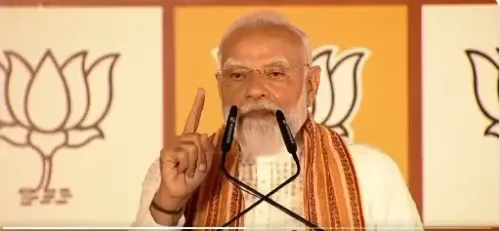
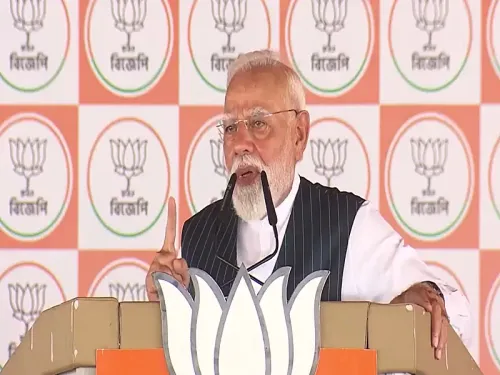
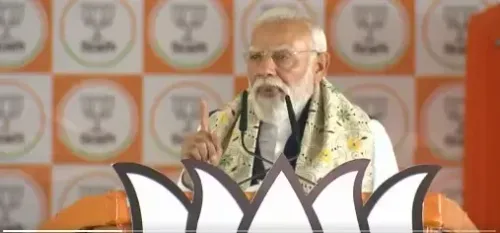
PM Modi Hails BJP's Record West Bengal Win, Vows Rights for All
Synopsis
Prime Minister Narendra Modi on 20 June 2026 hailed West Bengal voters for delivering the BJP a record number of assembly seats, saying citizens deprived of their rights for years were finally receiving them — a claim rooted in the long-running dispute over central scheme delivery in the Trinamool Congress-governed state.
Key Takeaways
PM Modi posted in Bengali on 20 June 2026 crediting West Bengal voters with giving the BJP a record number of assembly seats.
He said ordinary citizens were now receiving rights from which they had been deprived for years.
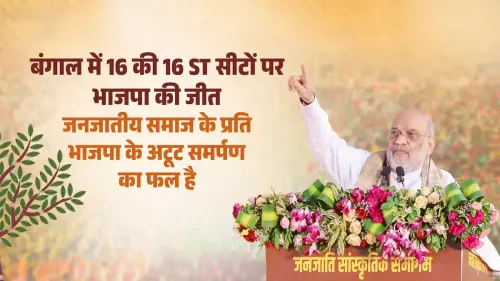
The BJP had previously won 18 Lok Sabha seats in West Bengal in 2019 and 77 assembly seats in 2021 , its highest tally to that point.
Central schemes such as PM Awas Yojana and Ayushman Bharat have been contested between New Delhi and the Trinamool Congress government in Kolkata .
Implementation of central welfare programmes in West Bengal will now be a key benchmark for the BJP's electoral promises.
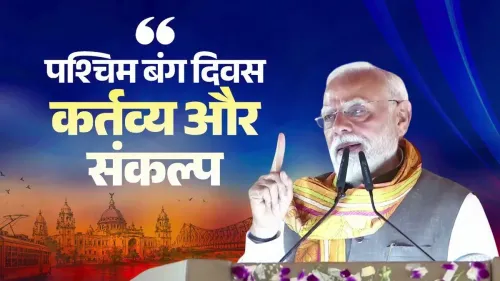
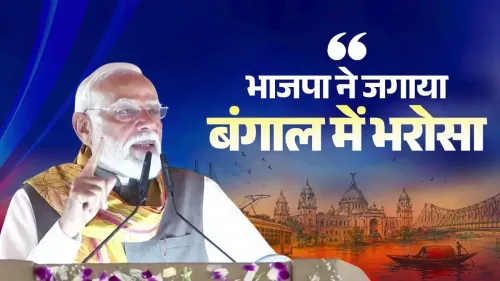
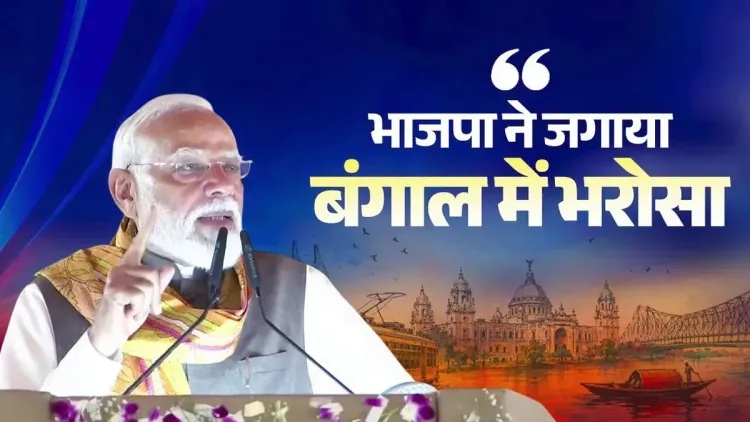
Prime Minister Narendra Modi on Saturday, 20 June 2026 credited the people of West Bengal with delivering the Bharatiya Janata Party a record number of assembly seats, declaring that ordinary citizens who had been denied their rights for years were now finally receiving them.
Writing in Bengali on X, Modi said: 'আমার পশ্চিমবঙ্গের পরিবার-পরিজনেরা বিজেপি-কে তাঁদের আশীর্বাদ দিয়ে রেকর্ড সংখ্যক আসনে বিজয়ী করেছেন।' ('My family in West Bengal has blessed the BJP and made it victorious in a record number of seats.') He added that the entire country was watching how, as a result, common people were now receiving rights from which they had been deprived for years.
Context
West Bengal has been governed by the Trinamool Congress since 2011, making it one of the most consequential opposition-held states for the BJP's national expansion strategy. The Prime Minister's post, accompanied by a video, frames the election result as a mandate for change — not merely a political shift but a restoration of entitlements to citizens he characterises as long-neglected.
The BJP has steadily grown its footprint in the state over successive election cycles. In 2019, the party's Lok Sabha tally in West Bengal jumped from 2 seats in 2014 to 18 seats, and in the 2021 assembly election it secured 77 seats — its highest-ever tally in the state legislature at that time.
Policy Backdrop
A recurring BJP argument in West Bengal has been that the state government obstructed the delivery of central welfare schemes to eligible beneficiaries. Modi's post echoes this claim, asserting that a BJP electoral breakthrough translates directly into citizens gaining access to entitlements previously withheld from them.
Central programmes such as PM Awas Yojana (housing) and Ayushman Bharat (health insurance) have been points of contention between New Delhi and the Trinamool Congress government in Kolkata, with the state declining to implement certain schemes. The BJP has consistently used this friction as an electoral argument across successive campaigns in the state.
Stakeholders and Impact
For West Bengal's voters — particularly in rural and semi-urban constituencies — the claimed benefit is direct access to central welfare entitlements. If the BJP now holds enough seats to influence or form a government in the state, scheme delivery timelines and beneficiary enrolment figures will be closely watched as a test of the promises implicit in Modi's post.
The BJP state unit in West Bengal stands to gain significant organisational resources and administrative leverage. The Trinamool Congress, meanwhile, faces pressure to respond to a narrative that frames its years in power as a period of deprivation for ordinary citizens.
What's Next
Attention will now shift to state-level implementation of central schemes in West Bengal and any formal response from the Trinamool Congress. The pace at which beneficiaries are enrolled under programmes such as Ayushman Bharat and PM Awas Yojana will serve as an early indicator of whether the electoral outcome translates into the on-ground change Modi has promised. Future assembly cycles in eastern India will also be shaped by how this result is read by voters across the region.
Point of View
The BJP attempts to shift the conversation from political competition to governance accountability. The emphasis on welfare scheme access is consistent with the party's broader eastern India strategy of using central entitlement delivery as both a policy tool and an electoral wedge. How quickly scheme implementation visibly improves for ordinary West Bengal residents will determine whether this narrative holds through the next political cycle.
NationPress
21 Jun 2026
Frequently Asked Questions
What did PM Modi say about West Bengal election results?
PM Modi said on 20 June 2026 that the people of West Bengal had blessed the BJP with a record number of assembly seats and that citizens long denied their rights were now receiving them.
How many seats did BJP win in West Bengal 2026?
The exact seat tally from the 2026 West Bengal election referenced in PM Modi's post has not been independently verified; the post describes it as a 'record number of seats' for the BJP in the state.
What central schemes were denied to West Bengal residents?
The BJP has long alleged that the Trinamool Congress government blocked beneficiaries from accessing central schemes such as Ayushman Bharat health insurance and PM Awas Yojana housing assistance.
What is BJP's history in West Bengal elections?
The BJP won 2 Lok Sabha seats in West Bengal in 2014, grew to 18 in 2019, and secured 77 assembly seats in the 2021 state election — its highest tally at that time.
Why is West Bengal important for BJP?
West Bengal is one of India's most populous states and has been governed by the Trinamool Congress since 2011; winning it is central to the BJP's strategy of expanding beyond its traditional strongholds in northern and western India.