PM Modi Hails Byawara Women Turning Plastic Waste Into Eco-Bricks
Synopsis
PM Modi used his Mann Ki Baat platform to spotlight women from Byawara, Rajgarh, Madhya Pradesh, who collected plastic waste through community participation and converted it into eco-bricks now enhancing the town's public spaces.
Key Takeaways
PM Modi highlighted the initiative on 28 June 2026 via his monthly Mann Ki Baat address.
Women of Byawara, Rajgarh district, Madhya Pradesh drove the plastic waste collection effort through jan bhaagidaari (public participation).
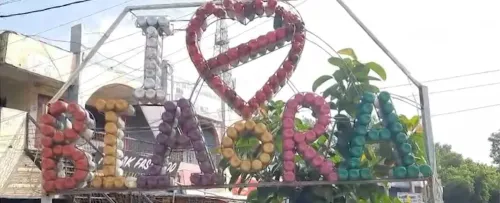
Plastic waste was converted into eco-bricks that are now being used to beautify the town.
The initiative aligns with the Swachh Bharat Mission and national plastic waste management mandates.
Mann Ki Baat recognition typically prompts state governments to explore scaling such grassroots models.
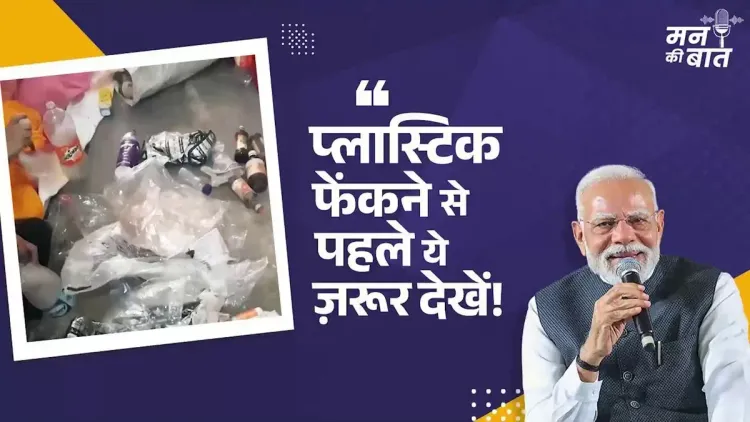
Prime Minister Narendra Modi on Sunday, 28 June 2026 highlighted the work of women from Byawara in Rajgarh district, Madhya Pradesh, who have transformed plastic waste into eco-bricks that are now beautifying their town, sharing the story through his monthly radio programme Mann Ki Baat.
Context
In his post, PM Modi wrote: 'मध्य प्रदेश के राजगढ़ जिले के ब्यावरा की नारीशक्ति ने कचरे से कमाल कर दिखाया है' — translating to: 'The women power of Byawara in Rajgarh district of Madhya Pradesh has worked wonders with waste.' He noted that plastic waste was collected through jan bhaagidaari (public participation), and the resulting eco-bricks are now actively contributing to the town's beautification.
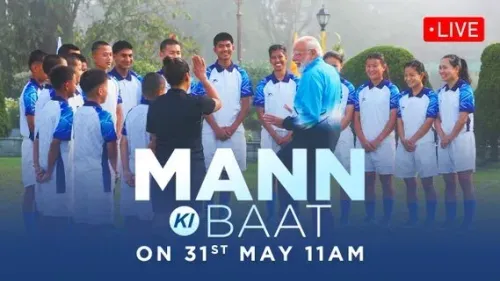
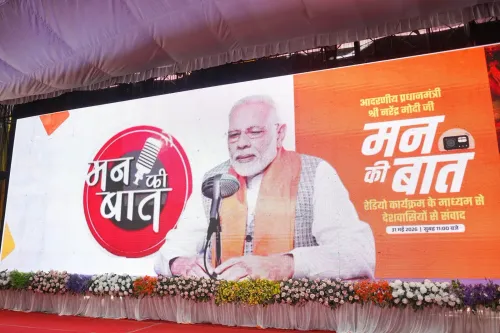
The mention came as part of Mann Ki Baat, PM Modi's long-running monthly radio address in which he spotlights grassroots initiatives from across India, giving national visibility to local community-driven efforts.
Policy Backdrop
The initiative aligns with the Centre's broader push on Swachh Bharat Mission and plastic waste management rules, which mandate local bodies to reduce single-use plastics and promote community-led segregation and recycling. Eco-bricks — bottles or containers densely packed with clean, dry plastic waste — have emerged as a low-cost, decentralised solution for repurposing non-recyclable plastic into construction or urban beautification material.
Women-led self-help groups and urban local bodies across several Indian states have adopted eco-brick drives, often under the Deendayal Antyodaya Yojana – National Urban Livelihoods Mission (DAY-NULM) framework, which supports urban poor women's collectives in income-generating and civic activities.
Stakeholders and Impact
The women of Byawara, referred to by PM Modi as Narishakti (women power), are the central actors here — mobilising their community to collect plastic, process it into eco-bricks, and deploy those bricks in public spaces. Their effort demonstrates a replicable model where civic participation directly translates into visible urban improvement.
For Rajgarh district and similar semi-urban towns, such bottom-up waste management models reduce the burden on municipal infrastructure while creating a sense of community ownership over public spaces. The national spotlight from Mann Ki Baat can catalyse similar drives in other districts, as local administrators and women's groups often replicate ideas featured on the programme.
What's Next
With PM Modi publicly recognising the Byawara initiative, state authorities in Madhya Pradesh are likely to receive increased attention and possibly directives to scale the model across other towns in the state. The Mann Ki Baat platform has historically served as a soft-policy signal, encouraging state governments and local bodies to adopt and expand the highlighted practices.
If the eco-brick model gains traction, it could feed into India's commitments on reducing plastic pollution, particularly as the country works toward its plastic waste reduction targets under domestic environmental policy frameworks.
Point of View
' he reinforces the government's political messaging around women's empowerment while simultaneously nudging state administrations to replicate the model. The move costs nothing in policy currency but generates grassroots momentum, which is precisely the function Mann Ki Baat has served since its inception. Whether Madhya Pradesh authorities act on the signal will be the real test of the programme's on-ground influence.
NationPress
28 Jun 2026
Frequently Asked Questions
What are eco-bricks and how are they made?
Eco-bricks are reusable building blocks made by tightly packing clean, dry plastic waste — such as wrappers and bags — into plastic bottles or containers until they become solid and rigid. They can then be used in construction, furniture, or urban beautification projects as a low-cost alternative to conventional bricks.
What did PM Modi say about Byawara on Mann Ki Baat?
PM Modi praised the women of Byawara in Rajgarh district, Madhya Pradesh, saying they had 'worked wonders with waste' by collecting plastic through community participation and turning it into eco-bricks that are now beautifying the town.
What is Mann Ki Baat?
Mann Ki Baat is PM Narendra Modi's monthly radio address broadcast on the last Sunday of each month, in which he highlights grassroots stories, community initiatives, and social campaigns from across India to inspire wider replication.
How does the Byawara initiative connect to Swachh Bharat Mission?
The Swachh Bharat Mission encourages local bodies and communities to reduce plastic waste through segregation and recycling. The Byawara eco-brick drive is a direct community-level expression of those goals, repurposing non-recyclable plastic into usable public infrastructure.
Can other towns replicate the Byawara eco-brick model?
Yes, the eco-brick model is low-cost and requires no specialised machinery, making it easily replicable. Women's self-help groups and urban local bodies in other towns can adopt the same approach — collecting plastic waste, packing it into eco-bricks, and deploying them in public spaces — often with support from schemes like DAY-NULM.