PM Modi honours Bastar security forces on Diwali
Synopsis
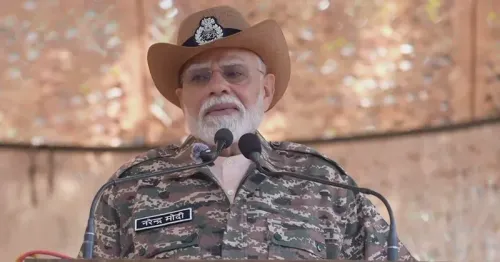
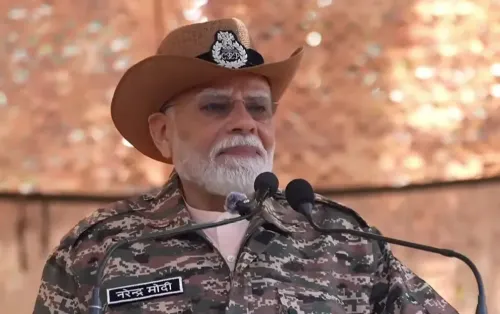
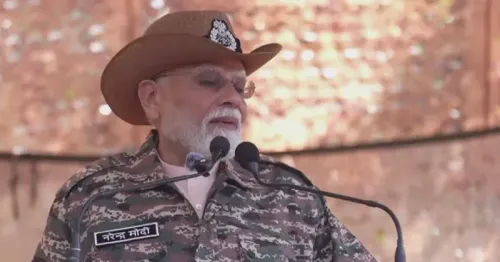
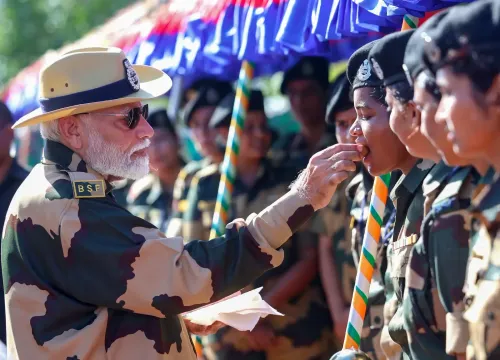
Prime Minister Narendra Modi on Diwali 2026 saluted security personnel deployed in Bastar, Chhattisgarh, calling the festival 'sweeter with those who protect us' and invoking the #NaxalFreeIndia goal — a pointed tribute that doubles as a statement of strategic intent.
Key Takeaways
PM Modi posted a Diwali tribute on 8 November 2026 specifically naming Bastar, Chhattisgarh and security forces deployed there.
The post carried the hashtag #NaxalFreeIndia , signalling the ongoing policy priority of eliminating left-wing extremism.
Bastar is the epicentre of India's decades-long Naxalite-Maoist insurgency, where forces including the CRPF and DRG operate in difficult terrain.
The tribute highlights the dual-track government approach: intensified security operations combined with development programmes in LWE districts.
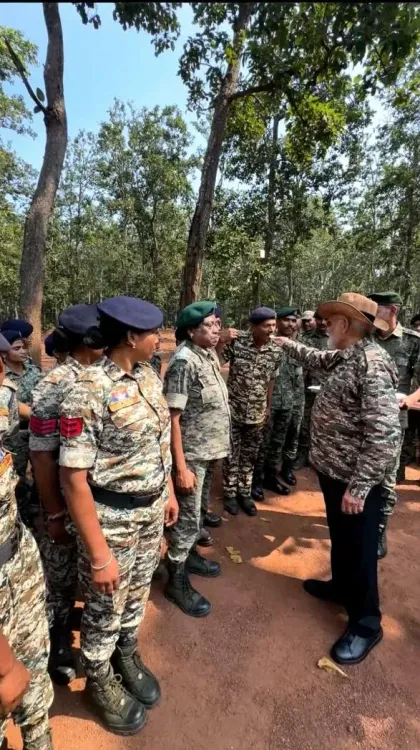
The post included a video, underscoring the visual emphasis on forces celebrating — or serving — during the festival.
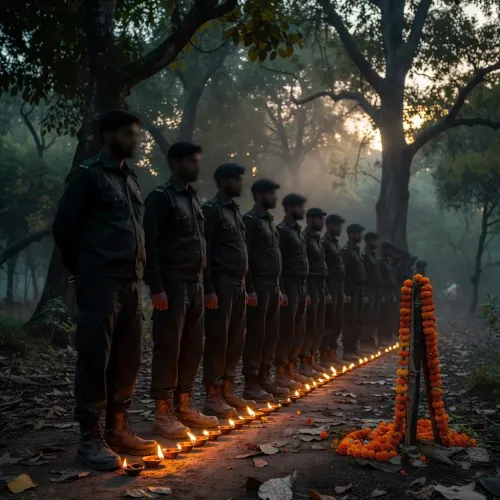
They stand guard so the rest of the country can light diyas. On Diwali 2026, Prime Minister Narendra Modi turned the festival's spotlight onto the men and women keeping vigil in one of India's most contested landscapes — Bastar, Chhattisgarh — with a pointed tribute and a hashtag that doubles as a policy declaration: #NaxalFreeIndia.
Posting on X on Sunday, 8 November 2026, the Prime Minister wrote: 'Diwali is sweeter with those who protect us!' The message was spare, but the geography it named was not. Bastar is shorthand for decades of left-wing extremist violence, counter-insurgency operations, and the slow, grinding effort to bring development into forest districts where the state's writ has often run thin.
Why Bastar carries so much weight
Bastar sits in the southern reaches of Chhattisgarh, at the heart of what security planners have long called the 'Red Corridor' — a swathe of forested, mineral-rich terrain where Naxalite-Maoist groups have operated for more than four decades. Security forces from the Central Reserve Police Force (CRPF), state police, and specialised units such as the District Reserve Guard (DRG) have served in punishing conditions there, with casualties on both sides marking each year's tally. Festivals like Diwali, when most of the country is home with family, underscore just how far from ordinary life a posting in Bastar can feel. Successive central governments have paired intensified operations with development pushes in Left-Wing Extremism (LWE) districts — roads, mobile connectivity, banking access, and welfare scheme delivery all flagged as tools to drain the insurgency of its support base. The #NaxalFreeIndia hashtag has become a recurring signal of that dual-track intent: military pressure alongside state-capacity building.A festival message with an operational subtext
Modi's choice to anchor his Diwali tribute specifically in Bastar — rather than a generic salute to all forces — gives the post a pointed edge. It acknowledges the men and women for whom the festival ceasefire, if any, is never guaranteed, and it keeps the political and strategic objective of eliminating Naxalism on the national agenda even on a holiday. The video attached to the post, while unverified in its specifics, reinforces the visual storytelling of forces and festivities combined. For the people of Bastar — communities caught for generations between insurgent intimidation and counter-insurgency operations — the promise of a 'Naxal-free' future is both a political aspiration and a very concrete daily reality that is still, in many pockets, being fought for. Diwali's diyas burn across a billion homes tonight. In Bastar, some of the people keeping that light safe are still on patrol.Point of View
' he keeps the left-wing extremism theatre specifically in public view on a high-visibility news day. The #NaxalFreeIndia tag has evolved from a campaign slogan into a governance benchmark, and invoking it on Diwali ties the festival's symbolism — light over darkness — directly to the counter-insurgency narrative. It also serves a morale function, signalling to forces in the field that their postings are seen at the highest level. Watching whether this is followed by operational announcements or fresh development allocations for LWE districts will tell us whether the post is ceremonial tribute or a prelude to policy action.
NationPress
8 Nov 2026
Frequently Asked Questions
Why did PM Modi mention Bastar in his Diwali post?
PM Modi singled out Bastar because it is Chhattisgarh's most conflict-affected region, where security forces continue anti-Naxal operations, making it a pointed choice to honour personnel who cannot celebrate the festival away from duty.
What is the #NaxalFreeIndia hashtag about?
#NaxalFreeIndia is a phrase used by the government to signal its stated objective of eliminating left-wing Maoist extremism from India, particularly in the 'Red Corridor' districts of central and eastern India.
Which security forces are deployed in Bastar?
The CRPF, Chhattisgarh state police, and specialised units like the District Reserve Guard (DRG) are the primary forces conducting anti-Naxal operations in and around Bastar.
What is the government's strategy in LWE districts like Bastar?
The strategy combines intensified security operations with development programmes — building roads, expanding mobile connectivity, and delivering welfare schemes — to reduce the Maoist presence and integrate these areas into the mainstream.
What is Diwali's significance in the context of security forces?
Diwali is a major family festival; tributes to security forces during the holiday underscore the sacrifice of personnel posted in conflict zones who cannot be home, and they serve as high-visibility morale signals from political leadership.