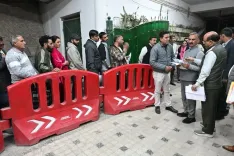
PM Modi Approves Pradhan Mantri Viksit Gram Swaraj Yojana
Synopsis
Prime Minister Narendra Modi on October 28, 2026 announced Cabinet approval for the Pradhan Mantri Viksit Gram Swaraj Yojana, a new scheme to empower gram panchayats to craft development plans tailored to local resources and challenges, deepening India's decentralised governance push under the Viksit Bharat 2047 vision.
Key Takeaways
The Cabinet approved the Pradhan Mantri Viksit Gram Swaraj Yojana on October 28, 2026 , as announced by PM Modi.
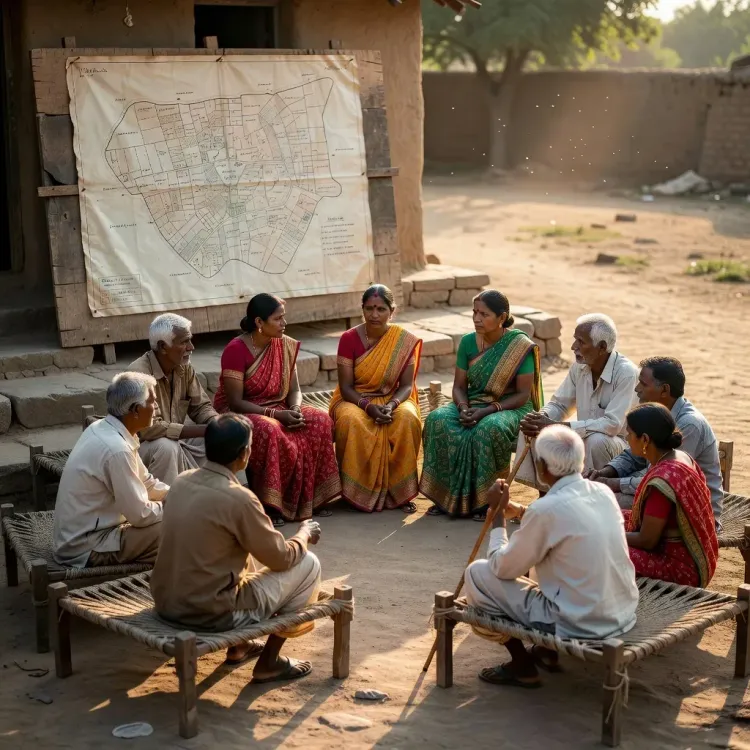
The scheme aims to let gram panchayats design development plans aligned with local resources, capacities, and challenges rather than uniform central templates.
It builds on the Rashtriya Gram Swaraj Abhiyan (2018) and the 73rd Constitutional Amendment (1992) framework for Panchayati Raj Institutions.
The initiative is explicitly linked to the Viksit Bharat 2047 national development vision and sustainable development goals.
Strengthening janbhagidari (people's participation) in rural planning is a stated core objective of the new yojana.
Exact budget outlay, scheme guidelines, and state rollout mechanisms remain to be officially detailed.
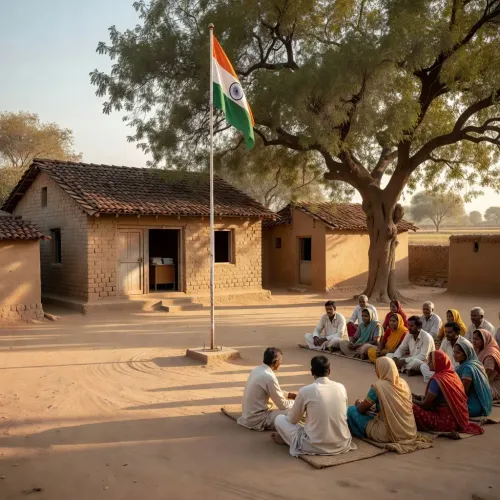
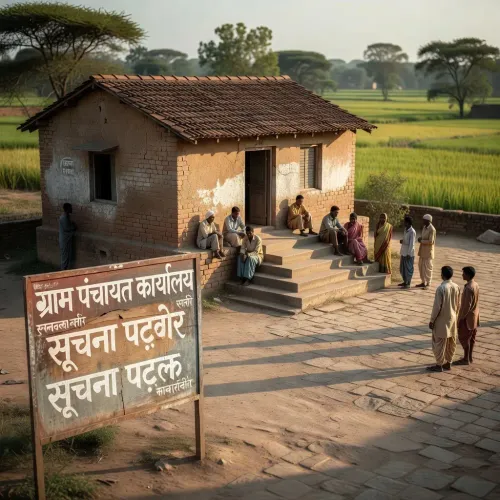
A new chapter in grassroots governance opened on Wednesday, October 28, 2026, as Prime Minister Narendra Modi announced Cabinet approval for the Pradhan Mantri Viksit Gram Swaraj Yojana — a scheme designed to hand rural India a sharper tool for self-determined development, built around local resources, local capacities, and local challenges.
In a post on X, PM Modi declared: 'We are committed to the development of rural areas and the empowerment of panchayats. Taking an important decision in this direction, our government has approved the Pradhan Mantri Viksit Gram Swaraj Yojana.' He added that the scheme will enable plans to be crafted in line with local conditions, strengthen janbhagidari (people's participation), and accelerate the achievement of sustainable development goals.
From Constitutional Promise to Policy Action
The announcement lands on three decades of constitutional scaffolding. The 73rd Constitutional Amendment Act of 1992 mandated three-tier Panchayati Raj Institutions (PRIs) across the country, placing local self-governance at the heart of India's democratic architecture. Yet the gap between constitutional intent and ground reality — in funding, capacity, and autonomy — has persisted.
The Modi government's Rashtriya Gram Swaraj Abhiyan, approved in 2018, took an earlier run at this problem by building the capacity of gram panchayats for participatory planning. The new Viksit Gram Swaraj Yojana appears to deepen that lineage, shifting the emphasis further toward locally-designed plans rather than top-down scheme delivery.
Plugging Rural India into the Viksit Bharat Vision
Since 2023, successive government announcements have framed rural development initiatives within the Viksit Bharat 2047 vision — the goal of transforming India into a fully developed nation by the centenary of independence. The new scheme fits that arc squarely, linking panchayat-level planning autonomy to long-run sustainability targets.
The core logic is straightforward: a gram panchayat in arid Rajasthan faces different water, land, and livelihood challenges than one in flood-prone Assam. Schemes calibrated to New Delhi's broad averages often miss both. By embedding flexibility into the planning process, the government is betting that granular, community-owned plans will outlast and outperform centrally-scripted ones.
What Panchayats and Rural Communities Stand to Gain
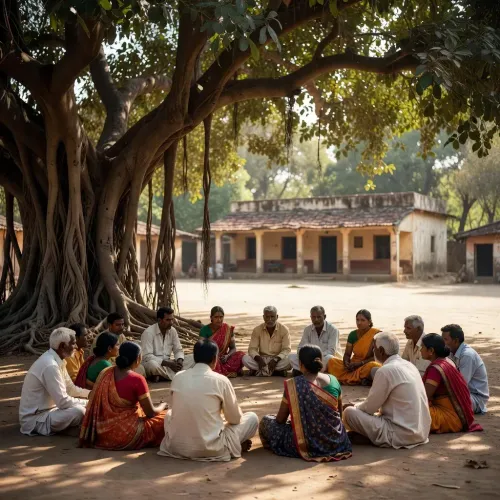
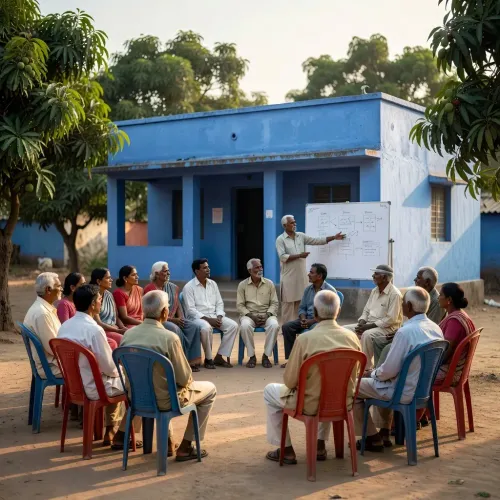
For India's roughly 2.5 lakh gram panchayats and the rural communities they represent — nearly two-thirds of the national population — the stakes are real. Greater planning autonomy means panchayats could prioritise, say, road connectivity over a prescribed sanitation target if local need demands it, and marshal community labour and local revenue alongside central funds.
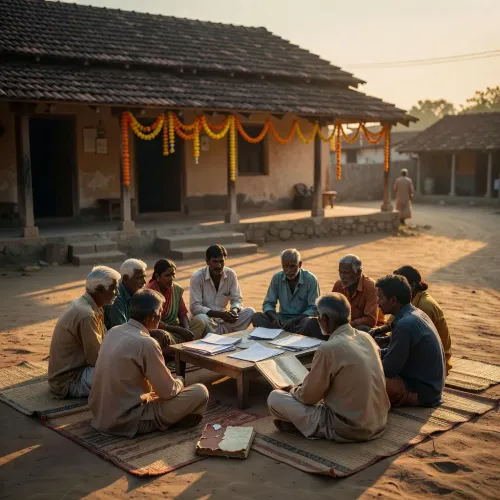
The scheme's emphasis on janbhagidari also signals an intent to move rural citizens from passive recipients of welfare to active co-designers of development plans — a shift that researchers and practitioners have long identified as the difference between schemes that work and schemes that wither.
The precise fund allocation, scheme guidelines, and state-level rollout mechanisms are yet to be detailed publicly; the next Union Budget and state government notifications will be the critical tests of how much muscle the new yojana actually carries.
Point of View
Each iteration promising deeper decentralisation than the last. The political calculus is clear: with rural India comprising the BJP's most reliable electoral base, visible panchayat empowerment is both policy substance and political signal. What distinguishes this announcement — if the implementation holds — is the explicit design principle of local-need primacy over uniform central mandates, which addresses a structural critique of earlier flagship rural schemes. The real test will be whether fund-flow mechanisms and state-level compliance give panchayats genuine discretion or merely repackage central direction in local language.
NationPress
28 Oct 2026
Frequently Asked Questions
What is the Pradhan Mantri Viksit Gram Swaraj Yojana?
The Pradhan Mantri Viksit Gram Swaraj Yojana is a newly approved central scheme that empowers gram panchayats to design and implement development plans based on local resources, capacities, and challenges, with a focus on community participation and sustainable development.
When was the Pradhan Mantri Viksit Gram Swaraj Yojana approved?
The scheme was approved by the government on October 28, 2026 , as announced by Prime Minister Narendra Modi on X.
How is this different from the Rashtriya Gram Swaraj Abhiyan?
The Rashtriya Gram Swaraj Abhiyan, approved in 2018, focused on building the capacity of gram panchayats for participatory planning. The new Viksit Gram Swaraj Yojana appears to go further by enabling locally-designed plans tailored to each panchayat's specific conditions, rather than applying a uniform national template.
Who benefits from the Viksit Gram Swaraj Yojana?
India's gram panchayats and the rural communities they serve — representing nearly two-thirds of the national population — are the primary beneficiaries, gaining greater autonomy in planning and stronger channels for community participation in local development.
How does the Viksit Gram Swaraj Yojana connect to Viksit Bharat 2047?
Since 2023, the Modi government has framed rural development initiatives within the Viksit Bharat 2047 vision of making India a fully developed nation by independence's centenary. This scheme links panchayat-level planning autonomy directly to that long-term national goal and to sustainable development targets.