PM Modi Outlines India-New Zealand Ties After Luxon Talks
Synopsis
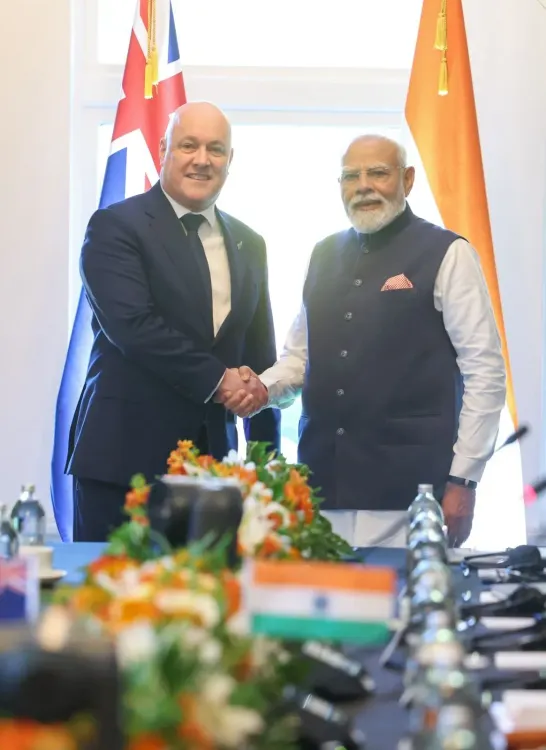
Prime Minister Narendra Modi on 11 July 2026 detailed outcomes of talks with New Zealand PM Christopher Luxon, covering trade, technology, agriculture, dairy, healthcare, traditional medicine, and defence — signalling a broader strategic upgrade of the India-New Zealand partnership.
Key Takeaways
PM Modi and New Zealand PM Christopher Luxon held bilateral talks covering trade, technology and investment linkages.
A cooperation framework was developed for agriculture, dairy and food processing — sectors of mutual strength and demand.
Both sides emphasised healthcare and traditional medicine , extending India's Ayush diplomacy to New Zealand.
Defence and security cooperation was highlighted as reflecting 'deep strategic trust' between the two nations.
The engagement fits India's wider pattern of building structured partnerships with mid-sized Indo-Pacific democracies .
The pending India-New Zealand Free Trade Agreement and joint working groups are expected to be the next concrete steps.
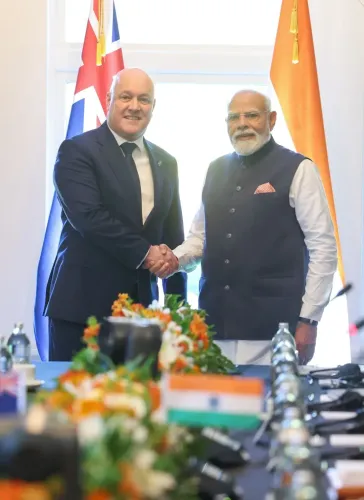
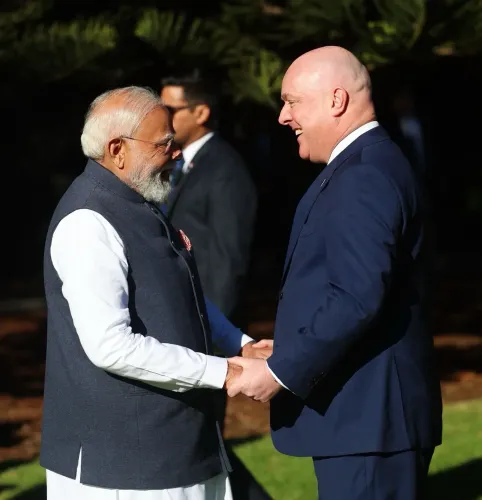
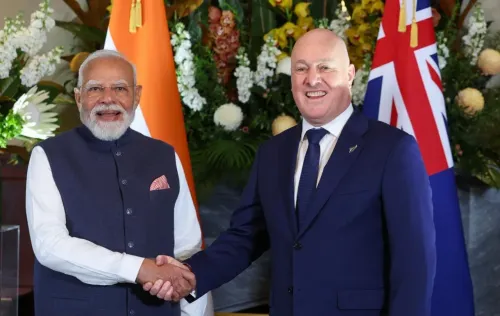
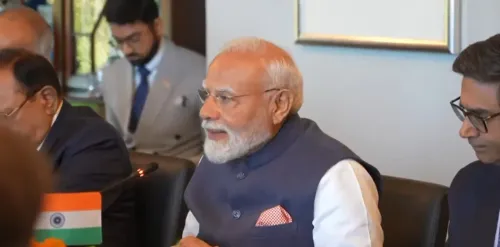
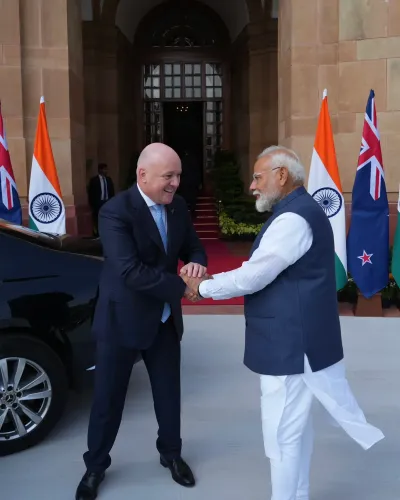
Prime Minister Narendra Modi on Saturday, 11 July 2026 detailed the outcomes of his talks with New Zealand Prime Minister Christopher Luxon, highlighting progress across trade, technology, agriculture, healthcare and defence as the two nations deepen their bilateral partnership.
Context
PM Modi described the discussions as wide-ranging, noting that 'the areas which were prominently covered in the talks with PM Luxon include trade, technology and investment linkages.' The statement signals a structured push to elevate the India-New Zealand relationship beyond its traditionally modest footprint into a more substantive strategic partnership.
The two leaders also agreed on a framework for cooperation in agriculture, dairy and food processing — sectors where New Zealand holds considerable global expertise and where India has significant domestic demand and export ambitions.
Policy Backdrop
India and New Zealand have been working to reinvigorate their economic relationship since 2022, when the two sides restarted Free Trade Agreement negotiations that had been launched in 2010 and subsequently stalled. The renewed momentum builds on the 2009 Joint Trade Committee mechanism and a bilateral defence cooperation agreement signed in 2010.
PM Modi underlined that cooperation in defence and security 'reflects the deep strategic trust between our two countries,' a framing consistent with India's broader effort to embed security dialogues within bilateral frameworks with mid-sized Indo-Pacific democracies. The emphasis on healthcare and traditional medicine — an area where New Delhi has actively promoted its Ayush sector internationally — adds a soft-power dimension to the engagement.
Stakeholders and Impact
Indian exporters stand to benefit from any progress on trade and investment liberalisation, while the agriculture and dairy sectors on both sides are closely watching the framework for food-processing cooperation. New Zealand, a global leader in dairy, and India, the world's largest milk producer, represent complementary rather than competing interests in several processing and technology segments.
The defence and security dimension is significant for both countries' strategic establishments. New Zealand shares India's interest in a stable Indo-Pacific order, and closer security ties align with the pattern New Delhi has built with Australia and ASEAN partners. Cooperation in traditional medicine opens a further channel for people-to-people and institutional links.
What's Next
PM Modi indicated the two sides 'will build on' the strategic trust already established, suggesting that joint working groups on food processing, the Ayush sector and defence are likely to follow. The pending India-New Zealand Free Trade Agreement remains the most consequential near-term deliverable, with both governments having signalled intent to accelerate negotiations.
Sustained progress across these pillars could mark a qualitative shift in a bilateral relationship that has historically punched below its potential, positioning India and New Zealand as more consequential partners in an increasingly contested Indo-Pacific landscape.
Point of View
Technology, agriculture, dairy, healthcare, traditional medicine, and defence — suggests both sides are attempting a structural upgrade of a relationship that has long underperformed its potential. For New Delhi, deepening ties with Wellington is part of a deliberate strategy to diversify its Indo-Pacific partnerships beyond the larger Quad members. The explicit mention of 'deep strategic trust' in the defence context is notable diplomatic language, signalling that the security dimension is no longer peripheral to the bilateral agenda. Whether this momentum translates into a concluded FTA or formalised defence cooperation mechanisms will be the real test of the summit's durability.
NationPress
11 Jul 2026
Frequently Asked Questions
What did PM Modi and New Zealand PM Luxon discuss in their bilateral talks?
The talks covered trade, technology and investment linkages, agriculture, dairy and food processing, healthcare and traditional medicine, and defence and security cooperation, according to PM Modi's post on 11 July 2026.
Is there a Free Trade Agreement between India and New Zealand?
India and New Zealand launched FTA negotiations in 2010, revived them in 2022 after a hiatus, but have not yet concluded a deal. The 2026 bilateral talks are expected to give fresh impetus to these negotiations.
Who is New Zealand Prime Minister Christopher Luxon?
Christopher Luxon has been Prime Minister of New Zealand since November 2023, leading a National-led coalition government with a focus on trade expansion and economic diplomacy.
Why is India cooperating with New Zealand on defence and security?
India has been building structured security partnerships with mid-sized Indo-Pacific democracies to support a stable regional order. New Zealand shares India's interest in the Indo-Pacific and the two countries signed a bilateral defence cooperation agreement as far back as 2010.
What is the significance of India-New Zealand cooperation in traditional medicine?
India has actively promoted its Ayush sector — which covers Ayurveda, Yoga, Unani, Siddha and Homeopathy — through bilateral agreements globally. Including traditional medicine in the India-New Zealand framework extends this soft-power and institutional outreach to the Pacific region.