Nadda marks World Population Day, backs family planning
Synopsis
On World Population Day, 11 July 2026, Union Health Minister J. P. Nadda called for voluntary family planning and healthy birth spacing, echoing India's rights-based reproductive health policy and the government's focus on maternal and child well-being as drivers of sustainable development.
Key Takeaways
World Population Day is observed on 11 July every year, established by the UN in 1989 .
This year's theme centres on 'Healthy Timing and Spacing of Pregnancies for the Well-being of Mother and Child and planned parenthood.' India's National Population Policy 2000 shifted family planning from coercive targets to voluntary, rights-based reproductive choices.
Mission Parivar Vikas (2016) targets 146 high total-fertility-rate districts across seven states for expanded contraceptive access.
Adequate birth spacing of at least 24–36 months is linked to lower maternal and infant mortality rates.
Updated Sample Registration System fertility data and possible expansion of Mission Parivar Vikas are the key policy developments to watch.
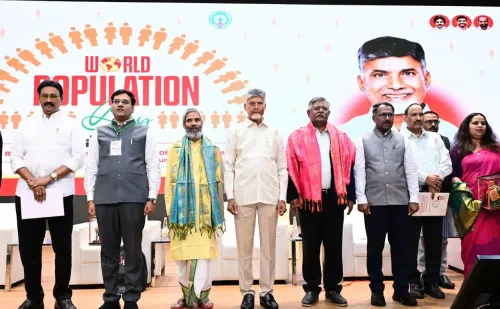
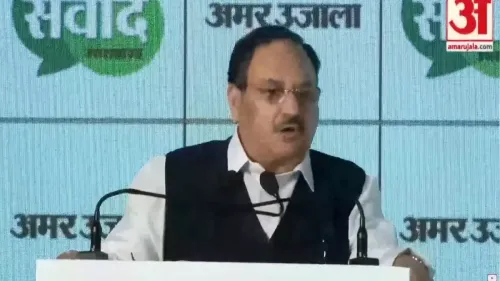
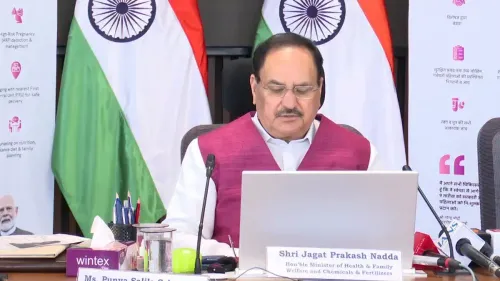
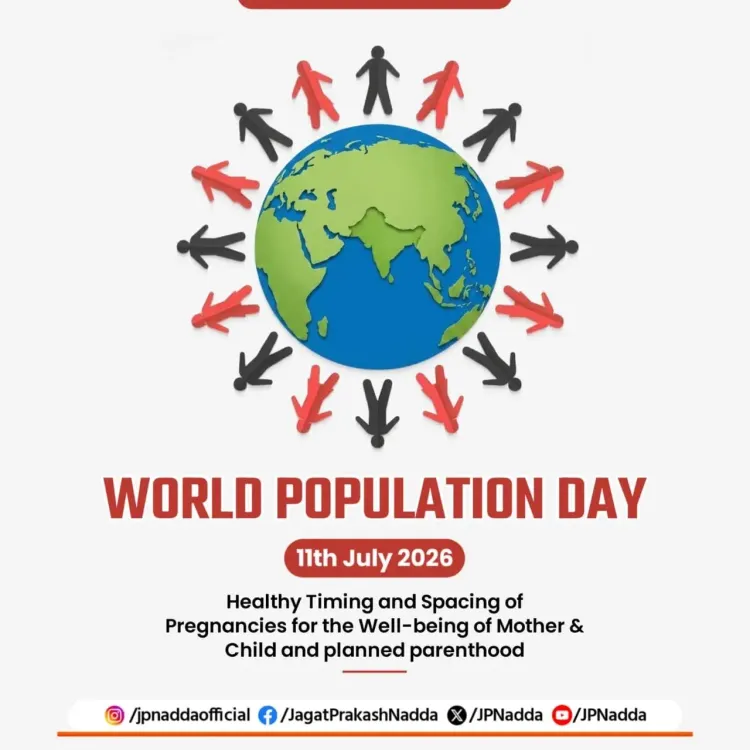
Union Health Minister J. P. Nadda on Saturday, 11 July 2026, marked World Population Day by calling for renewed commitment to voluntary family planning, informed reproductive choices, and maternal and child health as pillars of sustainable national development.
Context
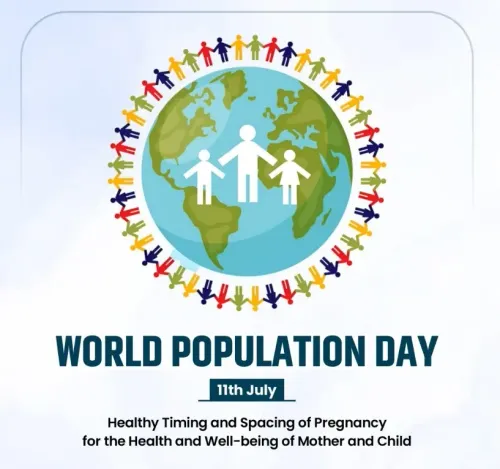
World Population Day is observed every year on 11 July, a date established by the United Nations in 1989 to focus global attention on population issues and their links to development. This year's theme — 'Healthy Timing and Spacing of Pregnancies for the Well-being of Mother and Child and planned parenthood' — centres on the health dividends of birth spacing for both mothers and infants.
Nadda highlighted the campaign slogan 'जब बच्चों में हो सही अंतराल, परिवार बने स्वस्थ और खुशहाल' ['When children are spaced rightly, the family becomes healthy and happy'], framing it as a call to improve outcomes through quality family planning services rather than coercive measures.
Policy Backdrop
India's approach to family planning was formally reoriented by the National Population Policy 2000, which replaced target-driven sterilisation campaigns with a voluntary, rights-based framework aimed at achieving replacement-level fertility by 2045. The shift emphasised informed consent, contraceptive choice, and integration with maternal health services.
In 2013, the Reproductive, Maternal, Newborn, Child and Adolescent Health (RMNCH+A) strategy further wove family planning into a continuum of care spanning pregnancy, delivery, and early childhood. A subsequent push came with Mission Parivar Vikas, launched in 2016, which targeted 146 high total-fertility-rate districts across seven states to expand contraceptive access and counselling.
India has since moved decisively away from sterilisation-centric programmes toward spacing methods — including injectables, intrauterine devices, and oral contraceptives — supported by frontline health workers under the Ayushman Arogya Mandir network.
Stakeholders and Impact
The groups most directly affected by family planning policy are women of reproductive age and rural households, particularly in high-fertility states such as Uttar Pradesh, Bihar, Rajasthan, Madhya Pradesh, Jharkhand, Chhattisgarh, and Assam. Adequate birth spacing — typically at least 24 to 36 months between pregnancies — is associated with lower rates of maternal anaemia, infant mortality, and low birth weight.
Nadda's statement, made in his dual capacity as Union Health Minister and BJP national president, signals that the ruling dispensation continues to frame population policy in terms of health outcomes and voluntary empowerment rather than numerical targets — a stance that carries both public-health and political significance ahead of state-level health programme reviews.
What's Next
Observers will watch for the release of updated Sample Registration System fertility data, which will indicate whether total fertility rates in high-burden districts are converging toward the national replacement level. Any announcement of an expansion of Mission Parivar Vikas coverage to additional districts or enhanced budgetary allocations for family planning commodities would be the next concrete policy step consistent with the minister's stated commitment.
With India now the world's most populous nation, the emphasis on quality over quantity in family planning services — and on spacing rather than limiting births — will remain a defining thread in the country's maternal and child health agenda for years to come.
Point of View
The statement aligns with global reproductive-rights norms while sidestepping the demographic-dividend debate that periodically resurfaces in Indian politics. The dual invocation of maternal health and 'prosperous India' connects family planning to the broader Viksit Bharat development narrative. For a minister who also heads the ruling party, the messaging serves both health-policy and electoral communication objectives in high-fertility states that are pivotal to national politics.
NationPress
10 Oct 2026
Frequently Asked Questions
What is World Population Day and why is it observed on 11 July?
World Population Day is an annual observance on 11 July established by the United Nations in 1989 to highlight the urgency of population-related issues including reproductive health, gender equality, and sustainable development.
What is the theme of World Population Day 2026?
The theme for World Population Day 2026 is 'Healthy Timing and Spacing of Pregnancies for the Well-being of Mother and Child and planned parenthood,' focusing on the health benefits of adequate birth intervals for mothers and infants.
What is Mission Parivar Vikas?
Mission Parivar Vikas is a government initiative launched in 2016 targeting 146 districts with high total fertility rates across seven states to improve access to contraceptives, counselling, and family planning services.
What did J. P. Nadda say on World Population Day 2026?
Union Health Minister J. P. Nadda called for reaffirming commitment to voluntary family planning, informed reproductive choices, and quality healthcare, highlighting the importance of healthy birth spacing for maternal and child well-being.
What is India's National Population Policy?
India's National Population Policy 2000 replaced earlier target-driven sterilisation programmes with a voluntary, rights-based framework, aiming for replacement-level fertility by 2045 through informed choice and integrated reproductive health services.