PM Modi: India's metro network grew from 248 km in 5 cities to 1,200 km in 26 cities
Synopsis
Modi's metro data point is striking: a nearly fivefold expansion in network length and more than a quintupling of cities covered since 2014. The Pune Pink Line — run entirely by women, partly solar-powered, built on PPP — signals a new template for Indian urban transit, while the ₹13,500 crore Phase-II bet shows the Centre is doubling down on metros as its signature urban infrastructure legacy.
Key Takeaways
PM Modi stated India's metro network grew from 248 km across 5 cities in 2014 to nearly 1,200 km across 26 cities as of November 2026 .
More than 1 crore people travel by metro every day across India.
The 23.2 km Pune Metro Pink Line was inaugurated on 3 November 2026 , built at a cost of over ₹8,300 crore under a PPP model.
The Pink Line is operated entirely by women train operators and draws 30% of its power from solar energy .
Modi laid the foundation stone for Pune Metro Phase-II , covering Kharadi, Wagholi, Hadapsar, Swargate and Khadakwasla at an estimated ₹13,500 crore .
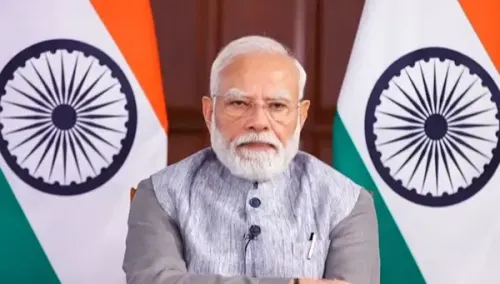
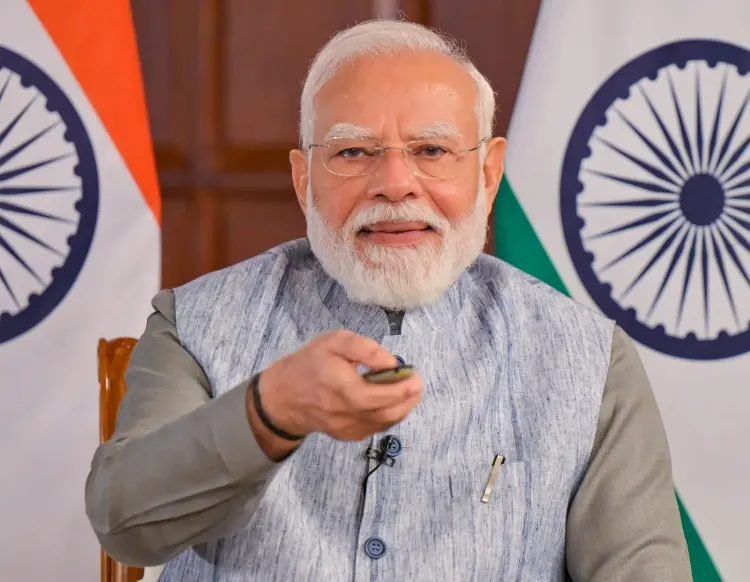
Prime Minister Narendra Modi on Thursday, 5 November 2026, highlighted India's rapid metro rail expansion, stating that the network has grown nearly fivefold — from 248 km across 5 cities in 2014 to close to 1,200 km spanning 26 cities today. Modi said more than 1 crore people now travel by metro every day, calling the transformation a defining shift in urban mobility.
Modi's Post on X
In a post on X, the Prime Minister posed a pointed question to his followers: 'Let me ask you… If India's Metro network had continued expanding at the pace it did before 2014, how long would the wait be for cities like Pune to have a Metro? YEARS….no…DECADES perhaps. And that was UNACCEPTABLE.'
He added: 'It means less time in traffic, more family time, greater productivity and better opportunities. This is the transformation we are working towards for urban India!' The remarks, he noted, go 'beyond statistics or numbers' — framing metro expansion as a quality-of-life issue rather than an infrastructure metric.
Pune Metro Pink Line Inauguration
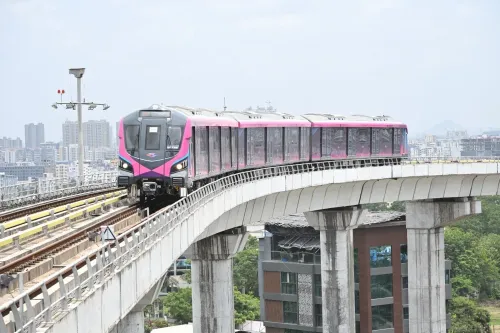
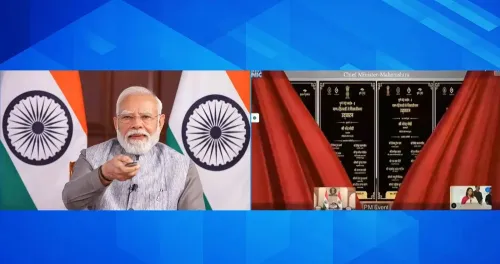
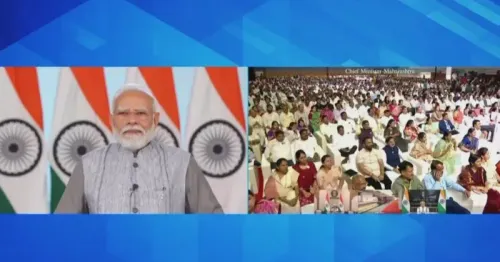
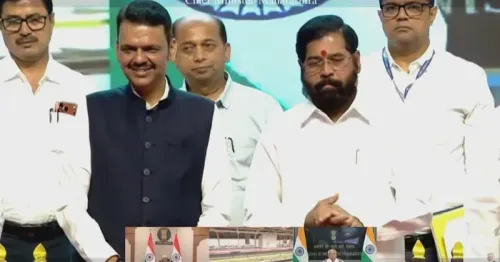
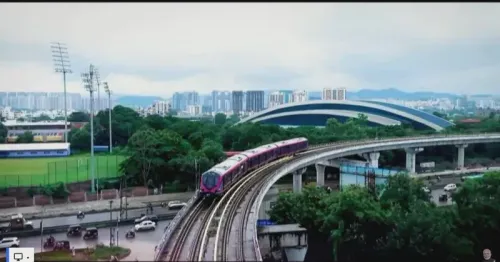
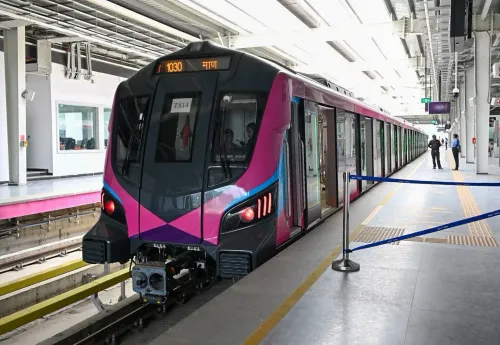
The Prime Minister's post followed his virtual inauguration on Tuesday, 3 November 2026, of the 23.2 km Pune Metro Line 3 (Pink Line) — an elevated corridor linking Maan/Hinjewadi (the city's major IT hub) to Shivajinagar (District Court Metro station). The corridor was built under a Public-Private Partnership (PPP) model at a cost of over ₹8,300 crore and is designed to ease travel time and congestion for tech workers and daily commuters.
Modi highlighted two notable features of the Pink Line: it is operated entirely by women train operators, and approximately 30 per cent of its total power requirements are sourced from solar energy — positioning it as a model for inclusive and green urban transit.
Pune Metro Phase-II: ₹13,500 Crore Expansion
Modi also laid the foundation stone for Pune Metro Phase-II, valued at around ₹13,500 crore. The expansion will cover key corridors connecting residential and commercial hubs including Kharadi, Wagholi, Hadapsar, Swargate, and Khadakwasla. The Prime Minister recalled that he had laid the groundwork for Pune's first metro phase roughly 10 years ago, drawing a direct line between early-term commitments and present-day delivery.
The Broader Urban Transit Vision
Modi used the occasion to reiterate the Centre's push for eco-friendly mass transit across tier-1 and tier-2 cities. He stressed that expanding metro networks cuts road congestion, reduces vehicular emissions, and enables seamless multi-modal connectivity — integrating metro stations with intercity bus terminals and railway stations. This comes amid growing pressure on Indian cities to manage rapid urbanisation while meeting climate commitments under India's net-zero targets.
Notably, the metro expansion figures place India among the fastest-growing metro markets globally over the past decade. With Phase-II guidelines and new city projects in the pipeline, the network is expected to grow further in the coming years.
Point of View
But the larger test for India's metro ambition is whether tier-2 city lines can achieve viability without perpetual state subsidy. Phase-II announcements made at inauguration ceremonies carry a pattern risk: foundation stones tend to outlast their timelines.
NationPress
5 Nov 2026
Frequently Asked Questions
How much has India's metro network expanded since 2014?
According to Prime Minister Narendra Modi, India's metro network has grown from 248 km across 5 cities in 2014 to nearly 1,200 km spanning 26 cities as of November 2026 — a nearly fivefold increase in network length. Over 1 crore people now use metro rail daily.
What is the Pune Metro Pink Line and when was it inaugurated?
The Pune Metro Line 3, also called the Pink Line, is a 23.2 km elevated corridor connecting Maan/Hinjewadi (Pune's IT hub) to Shivajinagar (District Court Metro station). PM Modi virtually inaugurated it on 3 November 2026; it was built at a cost of over ₹8,300 crore under a Public-Private Partnership model.
What makes the Pune Metro Pink Line unique?
The Pink Line is operated entirely by women train operators, making it distinctive in India's metro landscape. It also sources approximately 30 per cent of its total power requirements from solar energy, positioning it as a green urban transit model.
What is Pune Metro Phase-II and how much will it cost?
Pune Metro Phase-II is an expansion project for which PM Modi laid the foundation stone alongside the Pink Line inauguration. Valued at around ₹13,500 crore, it will cover corridors linking Kharadi, Wagholi, Hadapsar, Swargate, and Khadakwasla — connecting older and newer parts of the city.
Why is metro expansion significant for India's urban future?
Metros reduce road congestion, lower vehicular emissions, and enable multi-modal connectivity by linking with bus terminals and railway stations. With rapid urbanisation and climate commitments, the Centre has positioned metro expansion as a core part of its sustainable urban mobility strategy for tier-1 and tier-2 cities.