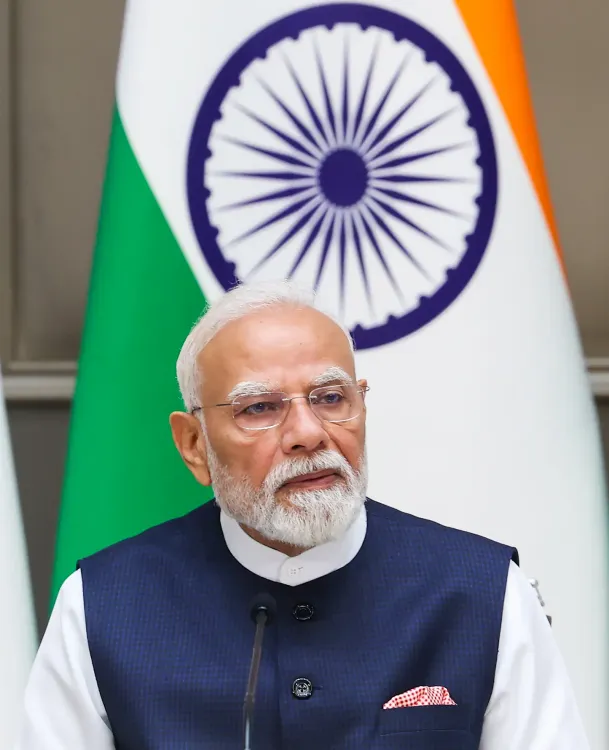
PM Modi addresses Jal Shakti Summit in Delhi, champions 'Team India' water push
Synopsis
Modi's first Departmental Summit wasn't a routine ministerial event — it was a blueprint for a new governance model. By convening Centre and state officials under a 'Team India' mandate for the water sector, the government is signalling that Jal Jeevan Mission 2.0's success depends on closing the implementation gap that plagued its predecessor.
Key Takeaways
PM Narendra Modi addressed the valedictory session of the Jal Shakti Departmental Summit on 2 September at Sushma Swaraj Bhawan, New Delhi .
The two-day summit ( 1–2 September ) is the first in a series of Departmental Summits aimed at strengthening 'Team India' cooperative federalism.
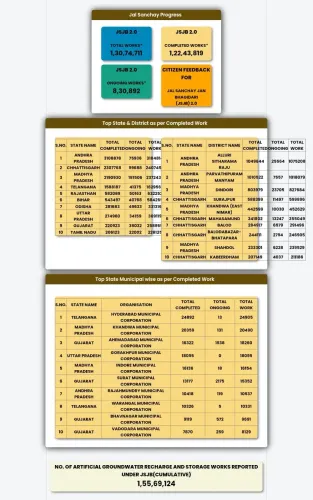
Discussions focused on four areas : water infrastructure delivery, Jal Sanchay Jan Bhagidari , source sustainability, and rural drinking water O&M under Jal Jeevan Mission 2.0 .
Officials said the initiative will produce time-bound action plans linking deliberations to measurable governance outcomes.
The summit model is expected to be replicated across other sectors in subsequent editions.
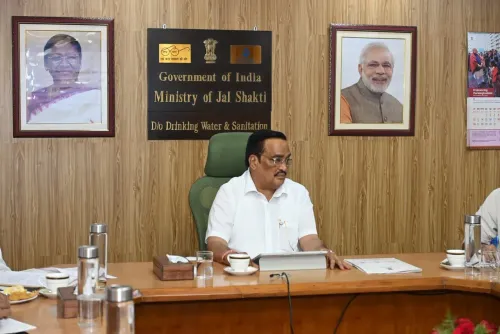
Prime Minister Narendra Modi on Wednesday, 2 September addressed the valedictory session of the Departmental Summit of the Ministry of Jal Shakti at Sushma Swaraj Bhawan in New Delhi, calling for stronger coordination between the Centre and states to accelerate national water sector priorities under a 'Team India' framework.
What the Summit Covered
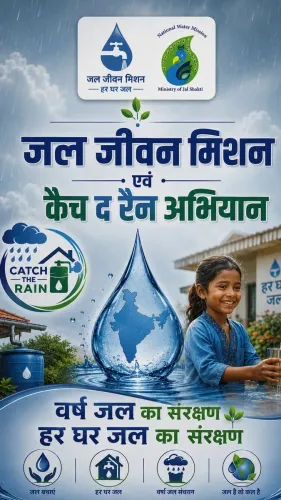
The two-day summit, held from 1 to 2 September, is the first in a planned series of Departmental Summits conceived to institutionalise cooperative federalism across key sectors. Discussions centred on four priority areas: timely delivery of water infrastructure projects, the Jal Sanchay Jan Bhagidari – Catch the Rain initiative, ensuring source sustainability of drinking water systems, and strengthening the operation and maintenance of rural drinking water supply schemes under Jal Jeevan Mission 2.0.
The 'Team India' Mandate
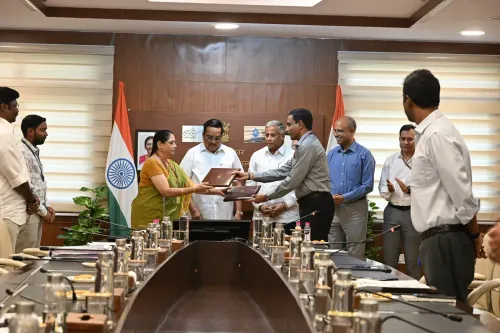
According to officials, the summit was designed as a structured platform for Union and state government representatives to jointly deliberate on sectoral priorities, identify implementation bottlenecks, and formulate time-bound action plans. 'The initiative seeks to promote shared responsibility for national goals and ensure that deliberations translate into measurable improvements in governance and service delivery,' officials said.
Key Outcomes Expected
The consultations are expected to produce a coordinated roadmap for addressing water sector challenges, improving implementation mechanisms, and ensuring better delivery of essential services at the ground level. Officials indicated that concrete, time-bound measures would emerge from the two-day deliberations to accelerate ongoing water infrastructure programmes.
Broader Significance
This summit marks the launch of what is envisioned as a recurring inter-governmental dialogue model, with the water sector chosen as the inaugural focus. Notably, the Jal Jeevan Mission — one of the Centre's flagship rural connectivity programmes — has faced uneven implementation across states, making the push for coordinated action particularly timely. The summit's emphasis on measurable governance outcomes signals a shift toward accountability-linked federalism.
Point of View
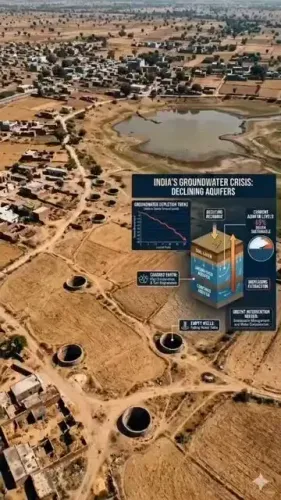
But source sustainability and functional tap connections told a different story in several states. By making states co-owners of time-bound action plans — rather than recipients of Central mandates — the government is attempting to close that accountability gap. Whether the summit produces binding commitments or remains consultative theatre will be the real test of this 'Team India' model.
NationPress
2 Sept 2026
Frequently Asked Questions
What is the Jal Shakti Departmental Summit?
It is a two-day inter-governmental summit held on 1 and 2 September at Sushma Swaraj Bhawan in New Delhi, bringing together Union and state government representatives to deliberate on water sector priorities. It is the first in a planned series of Departmental Summits envisioned by PM Modi to strengthen cooperative federalism.
What is the 'Team India' approach PM Modi is promoting?
The 'Team India' approach refers to a governance model where the Centre and states jointly own national priorities, formulate time-bound action plans, and share accountability for outcomes. At the Jal Shakti summit, this translates into coordinated planning for water infrastructure delivery and Jal Jeevan Mission 2.0.
What are the four focus areas of the Jal Shakti summit?
The summit focused on timely implementation of water infrastructure projects, the Jal Sanchay Jan Bhagidari – Catch the Rain initiative, ensuring source sustainability of drinking water systems, and strengthening operation and maintenance of rural drinking water schemes under Jal Jeevan Mission 2.0.
What outcomes are expected from the summit?
Officials expect the deliberations to produce a coordinated roadmap with concrete, time-bound measures to accelerate water infrastructure implementation and improve service delivery. The government has said outcomes must translate into measurable improvements in governance.
Will more such summits be held for other sectors?
Yes. The Jal Shakti summit is described as the first in a series of Departmental Summits across sectors. The format is intended to be replicated to institutionalise Centre-state coordination on key national priorities.