PM Modi heads to France and Slovakia for bilateral talks

Synopsis
Prime Minister Narendra Modi has announced a multi-day visit to France and Slovakia for bilateral talks, multilateral engagements, and diaspora outreach. The trip aims to strengthen India's economic and cultural ties with two European partners — one a long-standing strategic ally, the other an emerging bilateral relationship.
Key Takeaways
PM Modi will visit France and Slovakia over the coming days for bilateral and multilateral engagements.
The stated focus is on boosting economic and cultural linkages with both countries.
Meetings with the Indian diaspora in Europe form a key component of the visit.
India and France have maintained a Strategic Partnership since 1998 , covering defence, nuclear, and space cooperation.
The Slovakia leg is a relatively rare high-level Indian diplomatic engagement with the EU member state.
The visit occurs against the backdrop of ongoing India-EU trade negotiations and European defence co-production discussions.
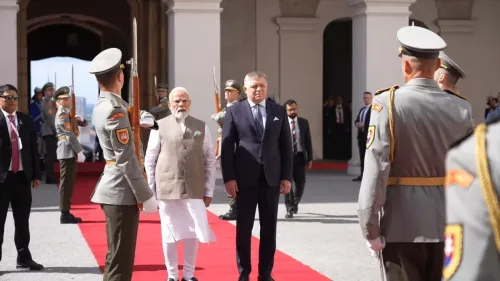
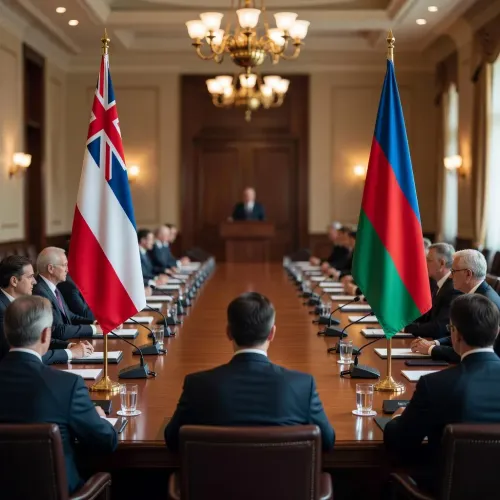
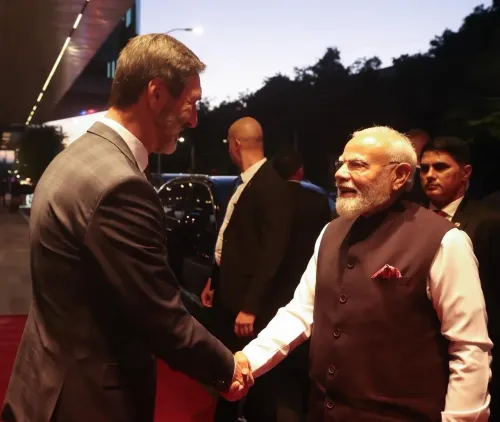
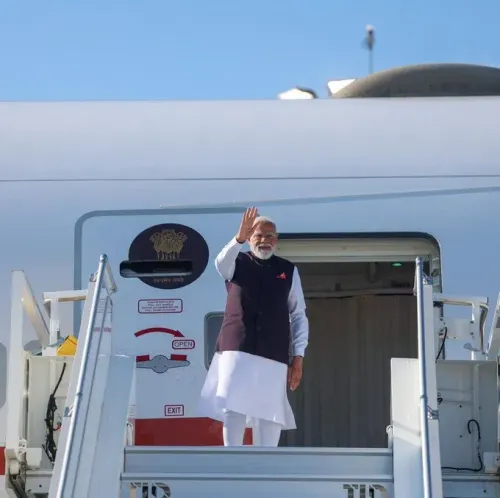
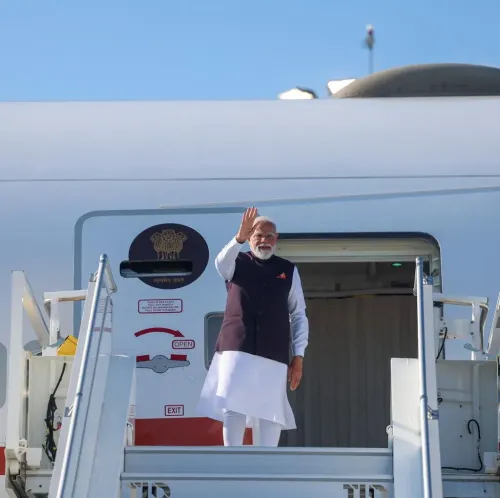
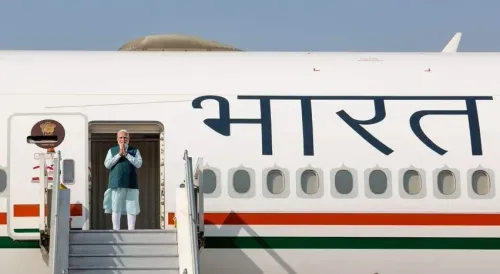
Prime Minister Narendra Modi announced on Saturday, 13 June 2026 that he will travel to France and Slovakia over the coming days for a multi-leg European visit encompassing bilateral talks, multilateral engagements, and meetings with the Indian diaspora. The visit, he said, will focus on deepening economic as well as cultural linkages between India and its European partners.
Context
In his post on X, Modi wrote: 'Over the next few days, I will be in France and Slovakia to attend various programmes, including bilateral talks, multilateral engagements and interaction with the Indian diaspora. The focus will be on boosting economic as well as cultural linkages.' He added that the visit would begin with the France leg, though full itinerary details were not disclosed in the post.
The announcement signals India's continued effort to engage European partners at the highest level, balancing large strategic relationships with outreach to smaller but strategically relevant EU member states.
Policy Backdrop
India and France have maintained a Strategic Partnership since 1998, one of the oldest and deepest bilateral frameworks India holds with any European nation. The relationship spans defence cooperation — including the landmark Rafale aircraft deal of 2016 — as well as nuclear energy, space technology, and green energy collaboration. Modi attended the Bastille Day parade in 2023 as guest of honour, a visit that yielded fresh commitments on technology transfer and climate cooperation.
Slovakia, an EU member state, represents a less-trodden but increasingly relevant partner for India, particularly in engineering and information technology sectors. High-level Indian visits to Bratislava have been infrequent, making this leg of the trip notable in itself. Broader India-EU trade negotiations, which have seen renewed momentum in recent years, provide the overarching framework within which both bilateral meetings will be situated.
Stakeholders and Impact
The Indian diaspora in Europe stands to benefit directly from the community outreach component of the visit. Such interactions have historically served a dual purpose: reinforcing cultural ties and mobilising diaspora investment back into India. Defence and technology firms — both Indian and European — will watch closely for any joint statements or memoranda of understanding that may emerge from the bilateral talks in Paris.
For Slovakia, deeper engagement with India could translate into expanded trade in automotive components, engineering goods, and digital services, sectors where Slovak industry has an established base. The visit also carries symbolic weight for smaller EU states seeking stronger bilateral ties with New Delhi independent of the broader bloc-level relationship.
What's Next
Observers will track whether the visit produces concrete outcomes such as new trade agreements, defence cooperation frameworks, or cultural exchange programmes. Any joint statement issued after the bilateral talks in France will be scrutinised for language on the stalled India-EU Free Trade Agreement, green hydrogen collaboration, and defence technology co-production. The Slovakia leg, being a rarer high-level engagement, may set the template for India's outreach to mid-sized European Union economies. Follow-up diplomatic activity — including parliamentary ratification of any new instruments — will determine the long-term impact of the visit.
Point of View
The visit advances India's long-running effort to diversify its strategic partnerships and gain leverage in the still-unresolved India-EU Free Trade Agreement talks.
NationPress
16 Sept 2026
Frequently Asked Questions
Why is PM Modi visiting France and Slovakia?
PM Modi is visiting France and Slovakia to hold bilateral talks, participate in multilateral engagements, and meet the Indian diaspora, with a focus on strengthening economic and cultural ties between India and both European nations.
What is the India-France strategic partnership?
The India-France Strategic Partnership was launched in 1998 and covers defence, nuclear energy, space, and green technology cooperation. It is one of India's deepest bilateral frameworks with a European country, and has included major deals such as the Rafale aircraft agreement of 2016 .
Has PM Modi visited Slovakia before?
High-level Indian diplomatic visits to Slovakia have been infrequent. This visit is considered notable precisely because it elevates bilateral engagement with a mid-sized EU member state that has growing trade interests in engineering and IT with India.
What will Modi discuss with the Indian diaspora in Europe?
Such diaspora meetings typically cover cultural ties, investment opportunities in India, and welfare concerns of the overseas Indian community. They also serve as a platform for Modi to outline India's economic growth story to potential investors.
What outcomes are expected from Modi's Europe visit?
Observers are watching for joint statements, memoranda of understanding on trade or defence, and any language on the stalled India-EU Free Trade Agreement. The Slovakia leg may also produce a framework for deeper bilateral engagement between the two countries.