PM SVANidhi scheme: Gujarat vendor revives business, goes digital at 6-year mark
Synopsis
Six years after PM SVANidhi launched to rescue street vendors from pandemic-era hardship, a 30-year-old Gandhinagar food stall owner is the scheme's latest poster story — loan received, GPay adopted, insurance enrolled. The real question is whether the numbers behind the anecdotes hold up at scale.
Key Takeaways
Yograj Mali , a 30-year-old B.Com student and street vendor in Gandhinagar, Gujarat , revived his Cholaphali business using a PM SVANidhi working capital loan.
Mali adopted GPay and Paytm for cashless transactions, accessing cashback rewards linked to digital payments.
He also enrolled in the Pradhan Mantri Suraksha Bima Yojana , Pradhan Mantri Jeevan Jyoti Bima Yojana , and Shramyogi Maandhan Yojana .
PM SVANidhi completed six years in June 2025 , offering initial loans of ₹10,000 with enhanced credit up to ₹50,000 on timely repayment.
The scheme targets financial inclusion for informal-sector street vendors across urban and semi-urban India.
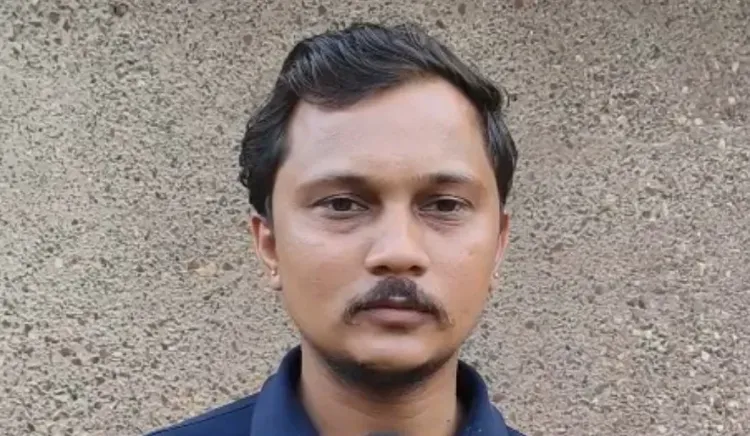
A ₹10,000 working capital loan under the PM Street Vendor's AtmaNirbhar Nidhi (PM SVANidhi) scheme helped Yograj Mali, a 30-year-old street food vendor and B.Com student in Gandhinagar, Gujarat, stabilise his Cholaphali business and transition to digital payments — marking a tangible outcome as the scheme completed six years in June 2025. Mali's story has been cited by the central government as an example of the programme's reach among informal-sector workers navigating financial hardship.
How the Loan Changed the Business
Yograj Mali was running his small street food stall in Gandhinagar on limited income while simultaneously pursuing his undergraduate degree. Financial constraints had restricted his ability to stock inventory and sustain consistent earnings.
The working capital provided through PM SVANidhi allowed him to restock, expand operations, and generate more stable revenue. According to Mali, the assistance also eased financial pressure on his family, which had been going through a difficult period economically.
Shift to Digital Payments
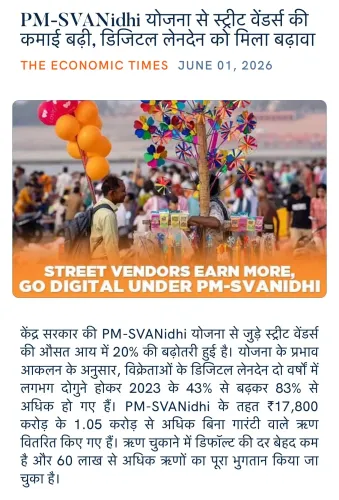
As part of efforts to modernise his business, Mali adopted digital payment platforms including GPay and Paytm. The transition enabled cashless transactions for customers and unlocked access to cashback rewards linked to digital payments.
The move also improved the transparency and organisation of his daily accounts — a shift that the scheme actively incentivises through cashback rewards for vendors who adopt UPI-based payments.
Other Welfare Schemes Availed
Beyond the SVANidhi loan, Mali enrolled in several additional government welfare programmes. These include the Pradhan Mantri Suraksha Bima Yojana (accident insurance), the Pradhan Mantri Jeevan Jyoti Bima Yojana (life insurance), and the Shramyogi Maandhan Yojana (pension scheme for unorganised sector workers).
The combination of credit access and social security coverage illustrates the scheme's broader financial inclusion objective — moving street vendors from the informal economy into formal financial systems.
What Mali Said
'The PM SVANidhi loan had helped revive his business and improved the financial situation of his family. The government's support had proved valuable during difficult times and had given him confidence to continue growing his enterprise,' Mali said.
Six Years of PM SVANidhi
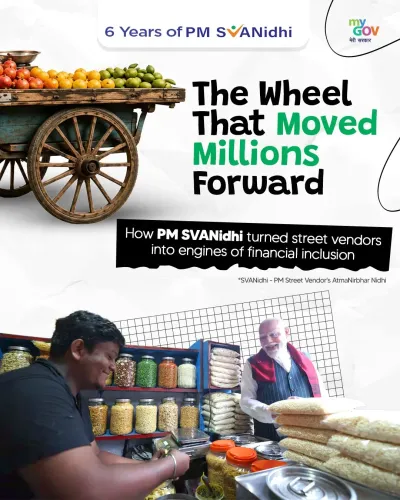
Launched in June 2020 to provide affordable working capital loans to street vendors displaced or distressed by the COVID-19 pandemic, PM SVANidhi has since expanded its reach across urban and semi-urban India. The scheme offers initial loans of ₹10,000, with eligibility for enhanced credit of up to ₹50,000 upon timely repayment. As the programme marks its sixth anniversary, beneficiary accounts like Mali's are being highlighted to demonstrate progress on financial inclusion at the grassroots level.
Point of View
Credit upgrade uptake, and sustained digital transaction volumes across its full beneficiary base — figures the Centre has not consistently made public. Financial inclusion that stops at a first loan and a GPay QR code is a starting point, not a destination.
NationPress
19 Sept 2026
Frequently Asked Questions
What is the PM SVANidhi scheme?
PM SVANidhi, or the Prime Minister Street Vendor's AtmaNirbhar Nidhi scheme, is a central government programme launched in June 2020 to provide affordable working capital loans to street vendors. It offers initial loans of ₹10,000, with enhanced credit up to ₹50,000 available on timely repayment, and incentivises digital transactions through cashback rewards.
How did PM SVANidhi help Yograj Mali in Gandhinagar?
Yograj Mali, a 30-year-old street food vendor and B.Com student in Gandhinagar, used a PM SVANidhi loan to restock and expand his Cholaphali stall at a time of financial difficulty. The working capital helped stabilise his income and eased economic pressure on his family.
Which digital payment platforms did the vendor adopt under PM SVANidhi?
Mali adopted GPay and Paytm for cashless transactions, enabling customers to pay digitally and allowing him to access cashback rewards linked to UPI-based payments. The shift also improved the transparency of his daily business accounts.
What other government schemes did the Gujarat street vendor enrol in?
Beyond the SVANidhi loan, Mali enrolled in the Pradhan Mantri Suraksha Bima Yojana for accident insurance, the Pradhan Mantri Jeevan Jyoti Bima Yojana for life insurance, and the Shramyogi Maandhan Yojana, a pension scheme for workers in the unorganised sector.
How long has PM SVANidhi been running and who does it cover?
PM SVANidhi completed six years in June 2025. It was launched in June 2020 to support street vendors affected by the COVID-19 pandemic and has since expanded to urban and semi-urban vendors across India, aiming to bring them into formal credit and digital financial systems.