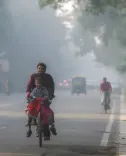
Post-Diwali AQI crosses 300 in Rajasthan; Sri Ganganagar hits 359
Synopsis
Sri Ganganagar's AQI hit 359 and Bhiwadi touched 305 in the hours after Diwali — placing several Rajasthan cities among the country's most polluted on Monday morning. The post-festival spike, backed by CPCB data, has triggered health advisories for children, the elderly, and those with respiratory conditions across the state.
Key Takeaways
Sri Ganganagar recorded Rajasthan's highest post-Diwali AQI of 359 on 9 November 2026 , according to CPCB data.
Bhiwadi ( 305 ) and Alwar ( 304 ) also breached the 'very poor' threshold of 300 .
Bikaner ( 269 ), Bharatpur ( 263 ), Jodhpur ( 251 ), Churu ( 242 ), Chittorgarh ( 237 ), and Ajmer ( 232 ) all posted elevated readings.
Jaipur recorded an AQI of 221 overall, with localised readings ranging 211–286 .
Rajasthan's Health Department has advised children, senior citizens, and people with asthma or heart conditions to minimise outdoor exposure.
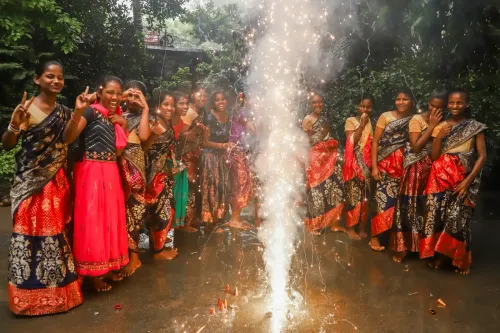
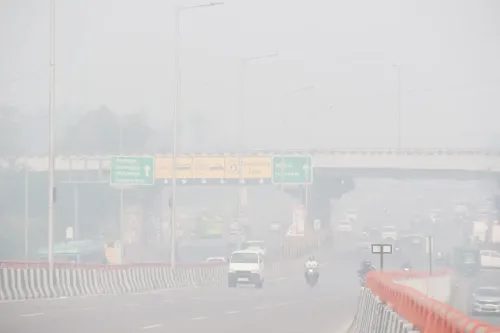
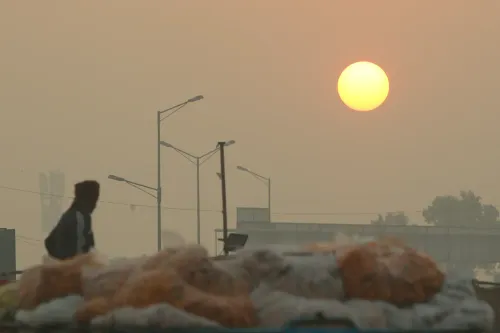
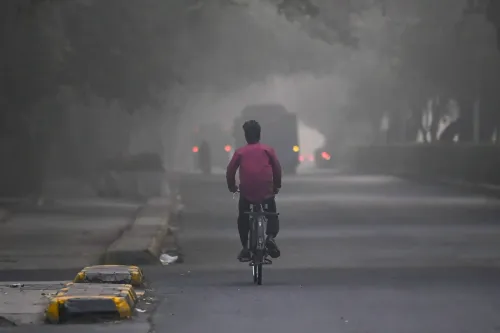
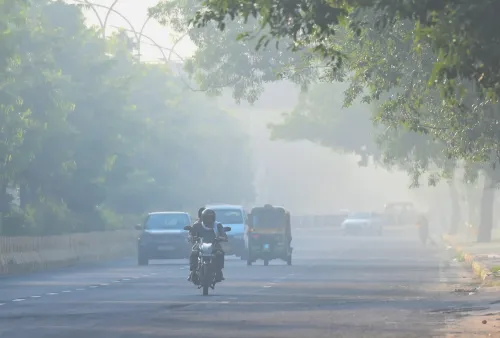
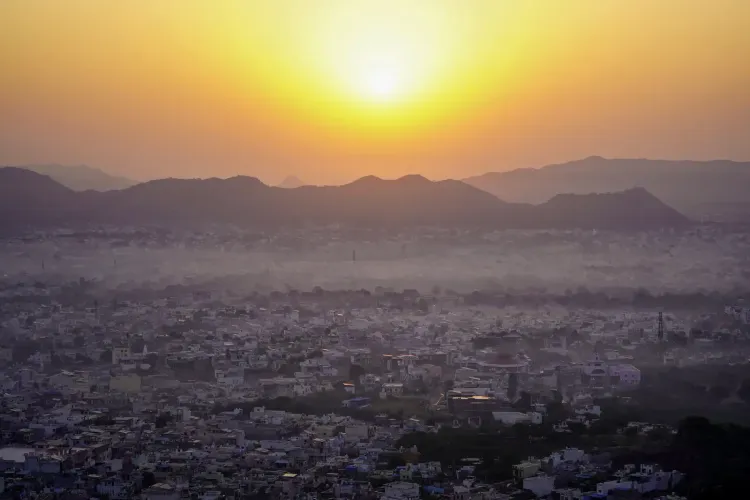
Air quality across Rajasthan collapsed into hazardous territory in the hours after Diwali, with firecracker smoke driving pollution indices into the 'very poor' and 'severe' ranges in several cities on Monday, 9 November 2026. Sri Ganganagar recorded the state's highest Air Quality Index (AQI) of 359, according to Central Pollution Control Board (CPCB) data, while Bhiwadi and Alwar posted readings of 305 and 304 respectively.
City-by-City Pollution Readings
Jodhpur registered an AQI of 251 and Ajmer clocked 232. Bharatpur recorded 263, Churu 242, and Chittorgarh 237. Bikaner came in at 269, while the state capital Jaipur posted an overall reading of 221, with localised measurements across different parts of the city ranging between 211 and 286 — indicating pervasive poor air quality throughout the urban area.
Under India's official air quality classification, an AQI above 300 falls in the 'very poor' category, while readings above 400 are classified as 'severe'. Multiple Rajasthan cities breached or approached the 'very poor' threshold on Monday morning, raising alarms among public health officials.
What Firecracker Smoke Does to the Body
The smoke released by firecrackers carries fine particulate matter — including PM2.5 and PM10 — along with heavy metals and gaseous pollutants that can bypass the body's natural defences and penetrate deep into lung tissue. Short-term exposure can cause coughing, breathlessness, eye irritation, and throat discomfort. Prolonged exposure, according to health experts, is linked to aggravation of existing respiratory and cardiovascular conditions.
Children, whose respiratory systems are still developing, and elderly individuals are considered especially vulnerable. People living with asthma, heart disease, or other pre-existing conditions may experience worsening symptoms even after relatively brief exposure to such elevated pollution levels.
Health Advisory Issued
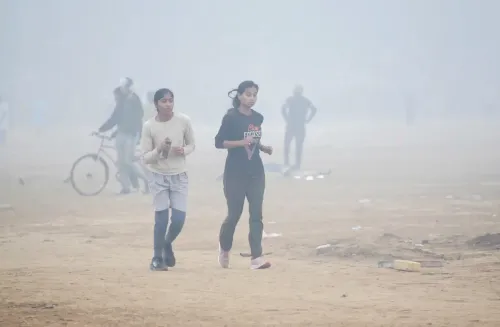
Rajasthan's Health Department has advised children, senior citizens, and individuals with asthma or other respiratory disorders to take extra precautions. Residents experiencing any breathing difficulty have been urged to minimise outdoor activity, particularly during early morning and evening hours when pollutant concentrations tend to peak. Outdoor exercise has also been discouraged until air quality improves.
Wider Context and What Comes Next
The post-Diwali pollution spike is an annual pattern across northern and western India, though the scale this year underscores the limits of firecracker restrictions that were in place in several cities. Notably, Sri Ganganagar's reading of 359 places it among the most polluted urban centres recorded in the country on Monday. Residents and civic bodies will be watching whether the pollution dissipates quickly or persists, as northwesterly winds — common at this time of year — can either disperse or trap pollutants depending on atmospheric conditions. Health authorities are expected to review advisory measures in the coming days based on updated CPCB readings.
Point of View
Documented failure of enforcement. Sri Ganganagar's AQI of 359 and Bhiwadi's 305 are not anomalies; they are the logical outcome of firecracker restrictions that exist on paper but are inconsistently applied on the ground. What is missing from the public health conversation is any accountability framework: which cities had bans in place, were they enforced, and what were the consequences for violations? Without that audit, the Health Department's annual advisory to stay indoors merely manages the symptom while the structural cause goes unaddressed.
NationPress
9 Nov 2026
Frequently Asked Questions
Which Rajasthan city recorded the highest AQI after Diwali 2026?
Sri Ganganagar recorded the highest post-Diwali AQI in Rajasthan at 359 on the morning of 9 November 2026, according to CPCB data. This places it in the 'very poor' category and close to the 'severe' threshold of 400.
What does an AQI above 300 mean for health?
An AQI above 300 falls in the 'very poor' category under India's official classification and can pose serious health risks, especially to vulnerable groups. Fine particulate matter from firecracker smoke can penetrate deep into the lungs, causing coughing, breathlessness, eye irritation, and aggravation of existing respiratory or cardiovascular conditions.
Who is most at risk from post-Diwali air pollution in Rajasthan?
Children, senior citizens, and people with pre-existing conditions such as asthma, bronchitis, or heart disease are considered most at risk. The Health Department has specifically advised these groups to minimise outdoor activity, particularly during morning and evening hours when pollutant concentrations peak.
What precautions has the Rajasthan government advised?
The Health Department has urged vulnerable residents — including children, the elderly, and those with respiratory disorders — to avoid outdoor exposure and minimise outdoor exercise until air quality improves. People experiencing breathing difficulties have been advised to stay indoors, especially during early morning and evening hours.
Is post-Diwali pollution a recurring problem in Rajasthan?
Yes, elevated AQI levels following Diwali are an annual occurrence across northern and western India, including Rajasthan. The spike is driven by firecracker emissions combining with seasonal meteorological factors such as cooler temperatures and slower wind speeds, which trap pollutants close to ground level.