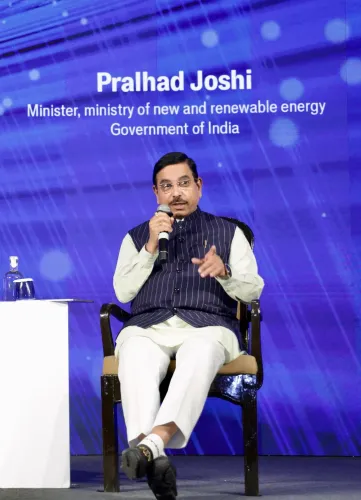
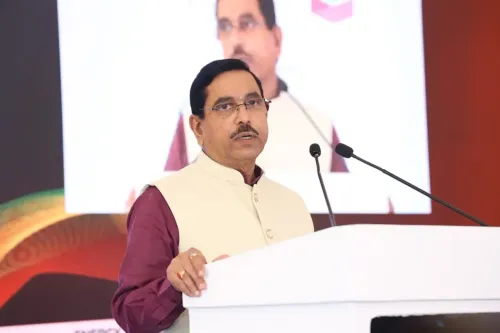
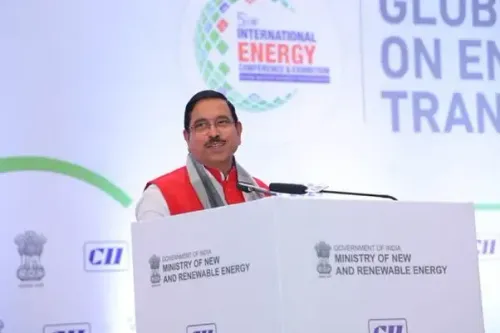
Pralhad Joshi: India's clean energy capacity up 22% to 297 GW
Synopsis
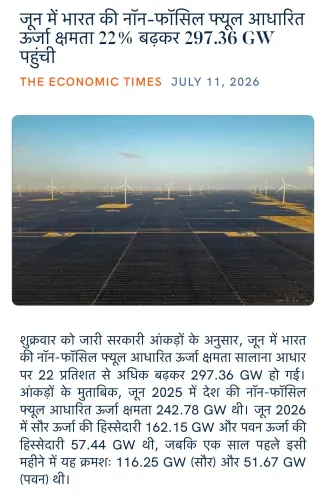
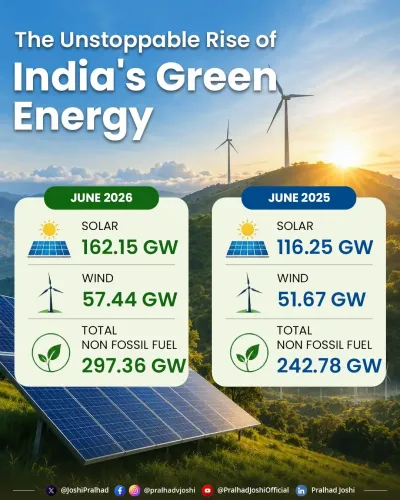
India's non-fossil fuel energy capacity has grown 22 percent to 297.36 GW as of June 2026, Union Minister Pralhad Joshi announced. The figure advances India's Panchamrit pledge of 500 GW clean energy by 2030, underscoring accelerating momentum in solar, wind and hydro additions.
Key Takeaways
India's non-fossil fuel-based energy capacity reached 297.36 GW in June 2026 , a 22 percent rise year-on-year.
Union Minister Pralhad Joshi shared the milestone on 11 July 2026 via his X account and the NaMo App .
The figure moves India closer to the 500 GW non-fossil capacity target by 2030 announced under the Panchamrit strategy at COP26 .
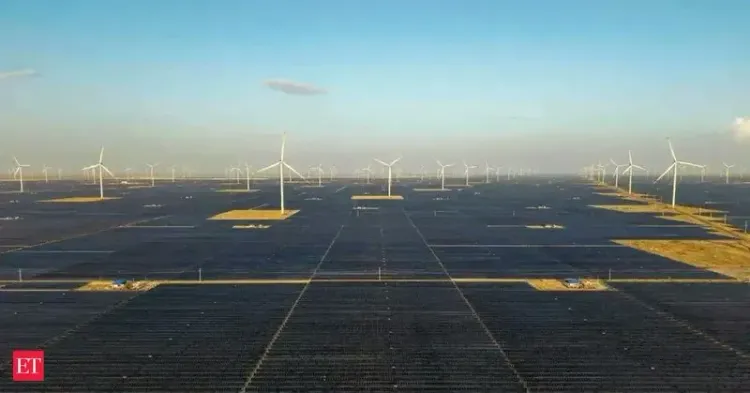
The PLI scheme for solar PV modules and large-scale solar parks have been key policy drivers behind the capacity surge.
Approximately 202 GW of additional non-fossil capacity is still required to meet the 2030 deadline.
Monthly data from the Central Electricity Authority will track whether the pace of additions is sufficient to stay on target.
Union Minister of New and Renewable Energy Pralhad Joshi on Saturday, 11 July 2026 highlighted that India's non-fossil fuel-based energy capacity has risen 22 percent to 297.36 GW as of June 2026, sharing the development via the NaMo App on his official X account.
Context
The figure marks a significant milestone in India's multi-year push to expand clean energy generation. Non-fossil fuel sources encompass solar, wind, hydro, nuclear and other renewable technologies that form the backbone of India's energy transition strategy.
The 22 percent year-on-year rise to 297.36 GW brings the country measurably closer to the headline target of 500 GW of non-fossil fuel capacity by 2030, a commitment made by Prime Minister Narendra Modi at the COP26 climate summit in 2021 under the Panchamrit strategy.
Policy Backdrop
India's renewable energy ambitions have a structured policy lineage. Under the Paris Agreement in 2015, India committed to sourcing 40 percent of its cumulative electric power capacity from non-fossil sources by 2030 — a target it met ahead of schedule.
PM Modi subsequently raised the bar at COP26, announcing the Panchamrit five-point climate pledge, which includes the 500 GW non-fossil capacity goal and a net-zero emissions target by 2070. The Production Linked Incentive (PLI) scheme for high-efficiency solar photovoltaic modules, launched in 2021, has been a key instrument in scaling domestic manufacturing to support these additions.
The Ministry of New and Renewable Energy, which Joshi heads alongside the Consumer Affairs portfolio, oversees policy formulation and programme execution across solar parks, wind corridors and hybrid energy projects nationwide.
Stakeholders and Impact
The capacity expansion directly benefits renewable energy developers, who gain a clearer demand signal, and state power utilities that must integrate growing volumes of variable renewable power into the grid. For electricity consumers, a larger clean energy base can over time moderate tariff pressures driven by imported fossil fuel costs.
India's push also carries geopolitical weight: reduced dependence on coal and oil imports strengthens energy security and supports the country's standing in multilateral climate forums. The International Solar Alliance, co-founded by India and France in 2015, positions New Delhi as a global champion of solar deployment, and domestic capacity milestones reinforce that narrative.
What's Next
Monthly capacity addition data from the Central Electricity Authority will be closely watched to track the pace of additions needed to bridge the gap between 297.36 GW and the 500 GW target by 2030. Analysts will also monitor fresh scheme allocations or extensions that may be announced in the next Union Budget or at upcoming climate conferences.
With roughly 202 GW still to be added over the remaining years of this decade, the rate of capacity addition will need to accelerate — making policy continuity, grid infrastructure investment and domestic manufacturing scale-up critical variables in the quarters ahead.
Point of View
However, means the pace of additions must stay elevated or accelerate, leaving the government exposed to criticism if momentum slows. The milestone also reinforces India's positioning in global climate diplomacy at a time when developing nations are under pressure to demonstrate credible energy transition progress.
NationPress
11 Jul 2026
Frequently Asked Questions
What is India's current non-fossil fuel energy capacity?
As of June 2026, India's non-fossil fuel-based energy capacity stands at 297.36 GW, representing a 22 percent increase compared to the previous year.
What is India's renewable energy target by 2030?
India has committed to achieving 500 GW of non-fossil fuel energy capacity by 2030 under the Panchamrit strategy announced by Prime Minister Narendra Modi at COP26 in 2021.
What is the Panchamrit strategy?
Panchamrit is India's five-point climate pledge announced at COP26 in Glasgow in 2021. It includes targets of 500 GW non-fossil energy capacity, 50 percent energy from renewables, reducing carbon emissions by one billion tonnes, cutting emissions intensity by 45 percent — all by 2030 — and achieving net-zero by 2070.
Who is Pralhad Joshi and what ministry does he head?
Pralhad Joshi is a senior BJP leader from Karnataka who serves as Union Minister of New and Renewable Energy and Union Minister of Consumer Affairs, Food and Public Distribution in the Government of India.
How much more capacity does India need to meet its 2030 clean energy target?
With 297.36 GW of non-fossil capacity achieved as of June 2026, India needs to add approximately 202 GW more to reach its 500 GW target by 2030.