Pralhad Joshi Marks PMJDY's Promise of Banking Every Indian
Synopsis
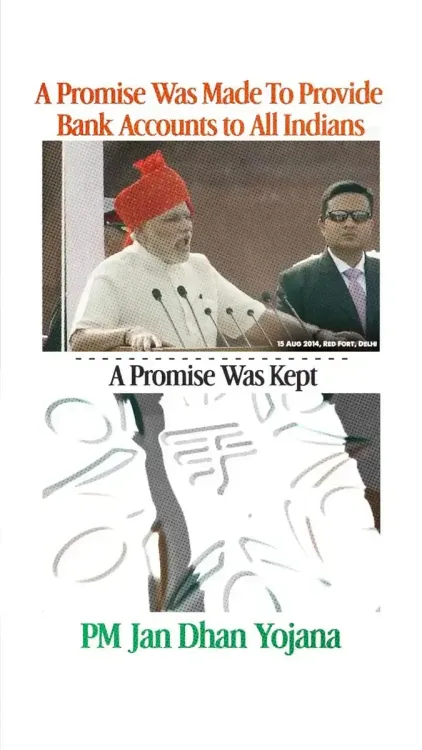
On the eve of Independence Day 2026, Union Minister Pralhad Joshi declared PM Modi's 2014 pledge to bank every Indian fulfilled, marking the PMJDY anniversary and linking the scheme's JAM-trinity architecture to India's Viksit Bharat vision.
Key Takeaways
PMJDY was launched on 28 August 2014 by PM Narendra Modi to provide zero-balance accounts and RuPay debit cards to unbanked households.
From 2015 onwards , the scheme became the foundation of the JAM trinity — Jan Dhan, Aadhaar, Mobile — enabling direct benefit transfers and reducing subsidy leakage.
Rural women and marginalised households were the primary beneficiaries, gaining independent account ownership and a formal transaction history.
Persistent dormancy and limited credit uptake in some regions remain noted challenges in government reports.
Minister Joshi's statement ties PMJDY's legacy directly to the #ViksitBharat (Developed India) policy vision ahead of the 80th Independence Day.
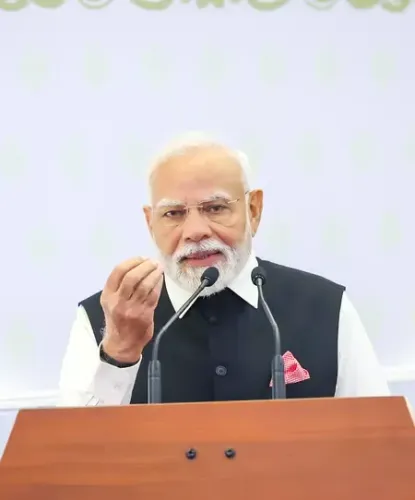
Twelve years after Prime Minister Narendra Modi stood before a nation and pledged to bank the unbanked, Union Consumer Affairs Minister Pralhad Joshi invoked that promise on 14 August 2026 — the eve of Independence Day — and called it delivered. The occasion: the anniversary of Pradhan Mantri Jan Dhan Yojana (PMJDY), the flagship financial inclusion scheme that reshaped how hundreds of millions of Indians interact with the formal economy.
From Zero-Balance Accounts to a National Financial Backbone
When PMJDY was launched on 28 August 2014, its ask was deceptively simple: give every unbanked household a zero-balance savings account, a RuPay debit card, and a basic accident insurance cover. The ambition behind it, however, was structural — pull India's vast informal economy into a system where money could be tracked, transferred, and protected.
The scheme did not work in isolation. From 2015 onwards, it became the 'J' in the JAM trinity — Jan Dhan, Aadhaar, and Mobile — a three-part architecture that enabled the government to route welfare subsidies, cooking-gas transfers, and pandemic relief directly into beneficiary accounts, cutting out middlemen and reducing leakage.
Rural Women at the Centre of the Inclusion Story
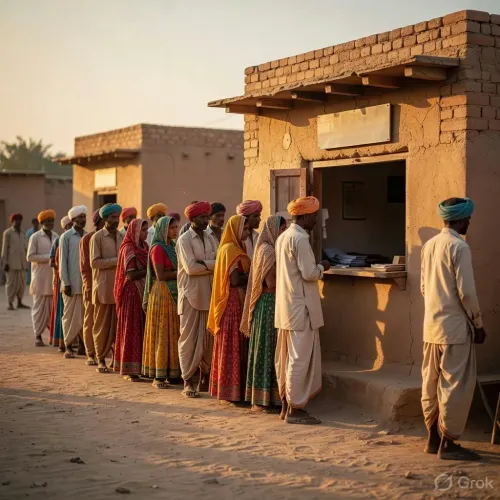
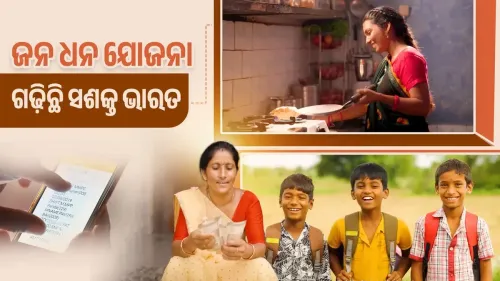
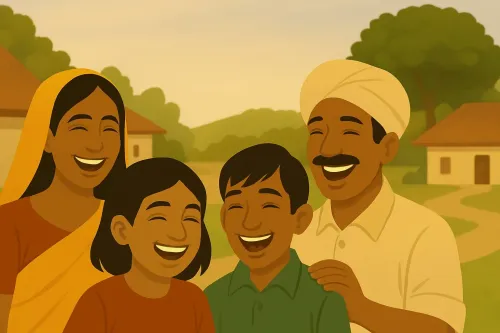
The most consequential shift was in who got counted. Rural women and marginalised households, historically the furthest from any bank branch, became the scheme's primary target. A Jan Dhan account meant a woman could receive her own subsidy, hold her own balance, and build a transaction history — the first rung on a ladder toward credit and formal savings.
Joshi's post frames this as the story of 'a New India,' tying PMJDY directly to the government's #ViksitBharat — or 'Developed India' — vision. The rhetorical link is deliberate: financial inclusion is presented not as welfare but as infrastructure, as foundational to growth as roads or electricity.
What the Numbers Still Need to Prove
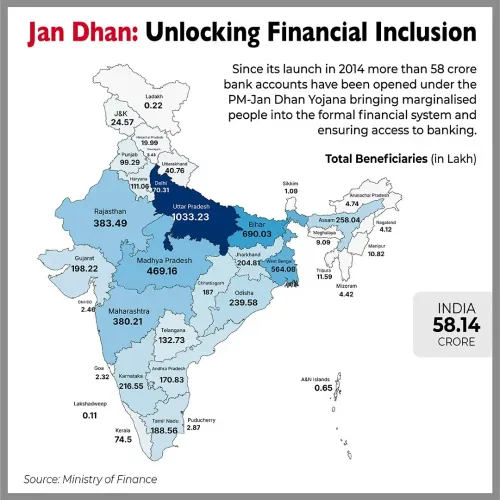
The scheme's record is not without friction. Successive government reports have flagged persistent dormancy in a share of accounts and limited credit uptake in certain regions — meaning that having an account and actively using it remain two different things. The Finance Ministry's periodic data releases on total account numbers and average deposit balances are the clearest scorecard, and the next such release will test how far the inclusion story has translated into genuine financial activity.
For now, as India crosses into its 80th year of independence, Joshi's message is a political and symbolic one: a promise made in 2014 has been kept, and the architecture built around it — JAM, UPI, direct benefit transfers — has made it irreversible.
The accounts are open. The harder work is making sure they stay alive.
Point of View
And anchoring it to the 'Viksit Bharat' brand the BJP is building ahead of electoral cycles. The JAM trinity narrative has become the government's most durable argument that welfare spending and digital infrastructure are the same project. The unresolved tension — between account creation and genuine financial activity — is the space opposition and independent analysts will continue to probe. How the Finance Ministry's next data release characterises dormancy and credit uptake will determine whether this anniversary claim holds up to scrutiny.
NationPress
14 Aug 2026
Frequently Asked Questions
What is Pradhan Mantri Jan Dhan Yojana?
Pradhan Mantri Jan Dhan Yojana (PMJDY) is India's national financial inclusion programme, launched on 28 August 2014 by PM Narendra Modi. It provides zero-balance savings accounts, RuPay debit cards, and basic accident insurance to unbanked households, with a focus on rural and marginalised communities.
What is the JAM trinity and how does PMJDY fit into it?
JAM stands for Jan Dhan, Aadhaar, and Mobile — three platforms integrated from 2015 onwards to enable direct benefit transfers. PMJDY accounts serve as the financial endpoint where government subsidies and welfare payments are deposited directly, cutting out intermediaries.
Who benefits most from Jan Dhan Yojana?
The scheme primarily targets rural women and marginalised households who previously had no access to formal banking. A Jan Dhan account gives them independent ownership of funds, including welfare transfers and cooking-gas subsidies routed directly to their accounts.
Why did Pralhad Joshi post about PMJDY on 14 August 2026?
14 August is the eve of India's Independence Day, making it a symbolic moment to highlight national achievements. Joshi used the occasion to mark the scheme's legacy and link it to the government's Viksit Bharat (Developed India) vision.
What are the criticisms or limitations of PMJDY?
Government and independent reports have noted that a share of PMJDY accounts remain dormant and that credit uptake is limited in certain regions — meaning account ownership has not always translated into active financial participation. The Finance Ministry's periodic data releases track these metrics.