Pralhad Joshi meets Chhattisgarh CM on Kharif rice procurement
Synopsis
Union Minister Pralhad Joshi and Chhattisgarh CM Vishnu Deo Sai met on July 31, 2026, to coordinate rice procurement for Kharif Marketing Season 2025-26, focusing on timely grain movement, storage expansion, and seamless operations for farmers and the Central Pool.
Key Takeaways
Pralhad Joshi and Chhattisgarh CM Vishnu Deo Sai met on July 31, 2026 to discuss Kharif rice procurement.
Talks centred on three priorities: timely rice movement, enhanced storage availability, and seamless procurement operations.
The meeting serves the dual goal of protecting paddy farmers and efficiently managing the Central Pool .
Chhattisgarh is a major and growing contributor to India's central foodgrain reserves managed by FCI .
The Kharif Marketing Season 2025–26 procurement operations are expected to begin around October 2026 .
Storage expansion and movement logistics were flagged as key pressure points ahead of the season.
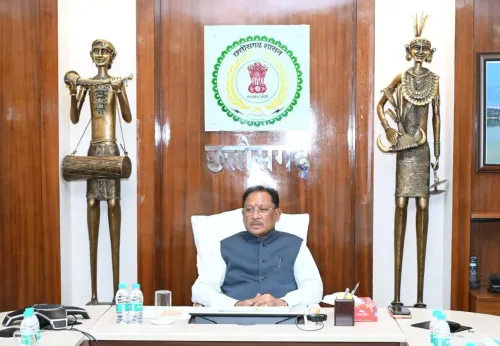
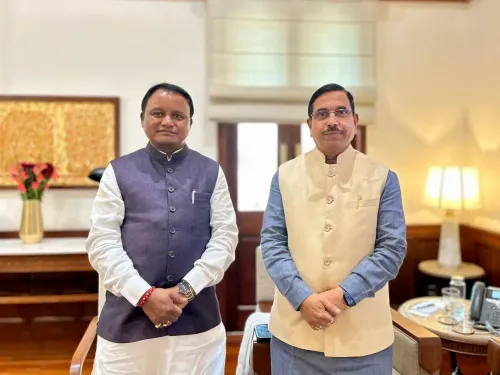
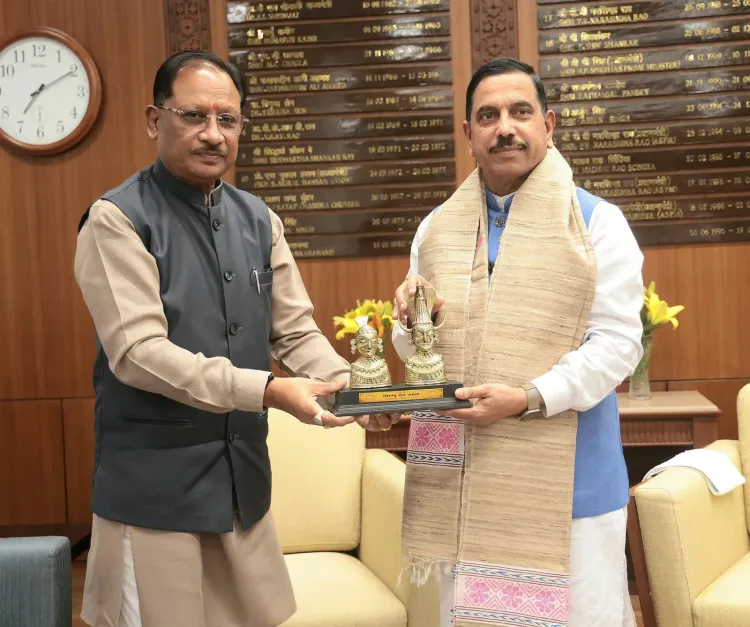
Before the paddy harvest rolls in this October, the groundwork is already being laid in New Delhi. Union Consumer Affairs Minister Pralhad Joshi met Chhattisgarh Chief Minister Vishnu Deo Sai on Friday, July 31, 2026, for pre-season talks on rice procurement for the Kharif Marketing Season 2025–26 — a meeting that signals the Centre is moving early to lock in logistics before the crunch begins.
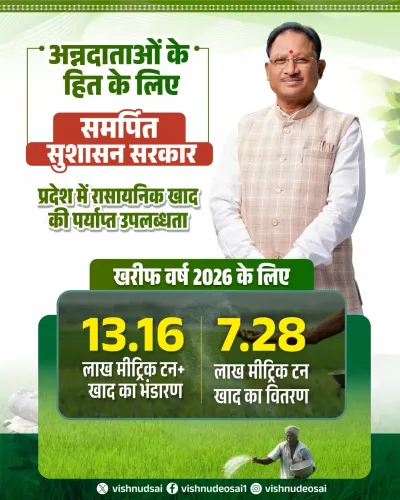
Joshi confirmed the discussions covered three operational priorities: timely movement of rice out of the state, expanding storage availability, and ensuring seamless procurement operations — all aimed at protecting farmers' interests and strengthening the Central Pool, the national reserve from which the public distribution system draws its supplies.
Why Chhattisgarh holds a pivotal seat at this table
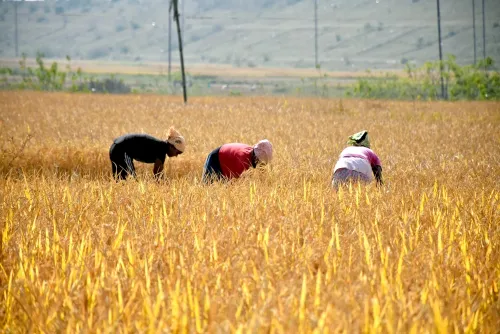
Chhattisgarh is not a peripheral player in India's foodgrain architecture. The state has steadily grown into one of the most significant contributors to the Central Pool, with procurement operations expanding well beyond the traditional surplus states of Punjab and Haryana. The Food Corporation of India (FCI) depends on Chhattisgarh's paddy belt to fill national buffers — which makes every pre-season alignment meeting between the state and the Centre consequential for millions of ration-card holders across the country. The Kharif Marketing Season runs roughly from October through September, with procurement of paddy — harvested after the monsoon — beginning in the final quarter of the calendar year. Union ministers holding coordination meetings with state governments in the months before operations begin is standard Centre-state practice, but the timing and seniority of this meeting suggest the Centre is treating storage and logistics as pressure points heading into 2025–26.Storage gaps and movement bottlenecks — the real agenda
The emphasis on 'enhancing storage availability' is the sharpest signal from this meeting. When procurement volumes rise faster than godown capacity, grain piles up in the open — a recurring operational headache that damages stocks and delays farmer payments. By raising storage expansion at the ministerial level in July, both governments are trying to get ahead of a problem that has historically surfaced only after procurement is already underway. Timely movement of rice — shifting milled grain from state collection centres to FCI depots and onward to deficit states — is the other lever. Bottlenecks here cascade quickly: delayed offtake discourages millers from delivering paddy, which in turn slows payments to farmers at the mandi level. A smooth movement chain is, in effect, a farmer-welfare instrument. The Cabinet Committee on Economic Affairs sets the Minimum Support Price for common paddy each season, and Chhattisgarh's procurement operations follow central norms. With the MSP framework already in place, the July meeting was about execution — the unglamorous, load-bearing work that determines whether policy reaches the farmer. The next milestone to watch: FCI's finalised procurement targets for 2025–26 and any state-centre agreements on additional storage capacity, expected ahead of October operations.Point of View
But the explicit focus on storage and movement logistics suggests the government is treating operational readiness — not just MSP policy — as the critical variable for 2025–26. For Chhattisgarh, which has steadily expanded its procurement footprint, securing additional storage commitments before the harvest is a strategic priority that directly affects farmer payment timelines. The BJP-governed alignment between the state and the Centre also smooths the political channel for fast resource allocation. Broader pattern: as India's procurement net widens to non-traditional states, the logistical infrastructure has not always kept pace — making these pre-season ministerial engagements load-bearing, not ceremonial.
NationPress
31 Jul 2026
Frequently Asked Questions
Why did Pralhad Joshi meet Chhattisgarh CM Vishnu Deo Sai?
They met on July 31, 2026, to coordinate rice procurement for Kharif Marketing Season 2025–26, discussing grain movement timelines, storage capacity, and smooth procurement operations for farmers and the Central Pool.
What is the Kharif Marketing Season 2025–26?
It is the annual procurement cycle for paddy and other kharif crops, running roughly from October 2025 to September 2026, during which state agencies and FCI buy paddy from farmers at the government-set Minimum Support Price.
What is the Central Pool in Indian food policy?
The Central Pool is the national reserve of foodgrains — primarily wheat and rice — procured by the Food Corporation of India for distribution through the public distribution system and for maintaining buffer stocks.
Why is Chhattisgarh important for rice procurement?
Chhattisgarh has grown into one of India's significant rice-surplus states, contributing substantially to the Central Pool managed by FCI, making its procurement operations critical to national food security.
What are the main challenges in rice procurement discussed at the meeting?
The key concerns raised were timely movement of milled rice from state centres to FCI depots, expanding godown storage capacity to prevent open-air stacking losses, and ensuring seamless procurement so farmer payments are not delayed.