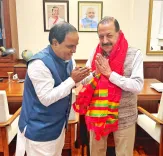
Pralhad Joshi meets Odisha minister, reviews paddy procurement and PDS
Synopsis
Union Minister Pralhad Joshi met Odisha Food Minister Krushna Chandra Patra on 11 August 2026 to review paddy procurement, storage, rice evacuation and PDS delivery, reaffirming Centre-State coordination on food security for Odisha's farmers and beneficiaries.
Key Takeaways
Pralhad Joshi and Odisha Minister Krushna Chandra Patra met on 11 August 2026 to discuss food security logistics.
Discussions covered paddy procurement, foodgrain storage, rice evacuation and last-mile PDS delivery.
Odisha operates under the Decentralised Procurement Scheme , procuring paddy on behalf of the Food Corporation of India .
The National Food Security Act, 2013 mandates subsidised grain for up to 75% rural and 50% urban population — the scale that makes smooth logistics critical.
Both ministers reaffirmed commitment to close Centre-State coordination ahead of the upcoming kharif season.
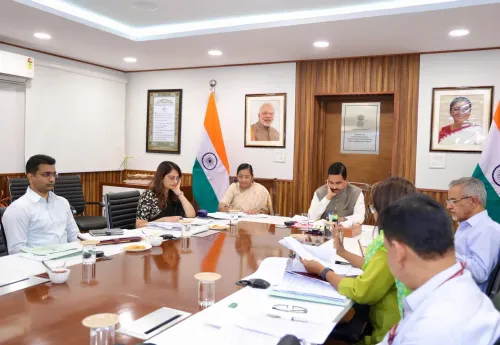
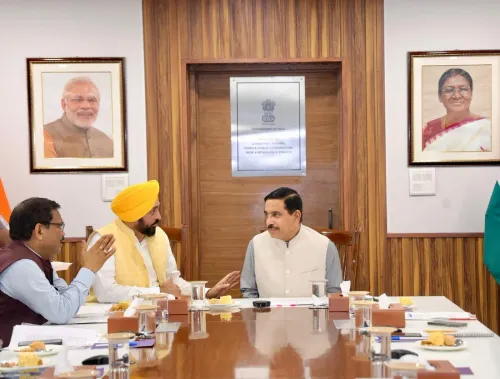
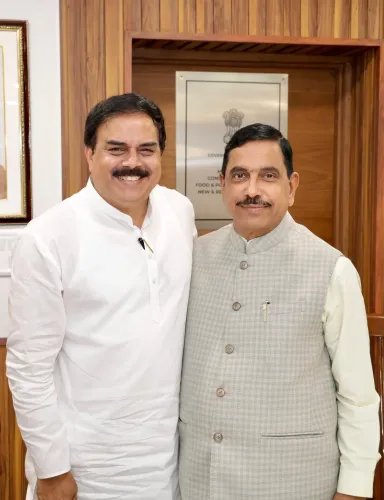
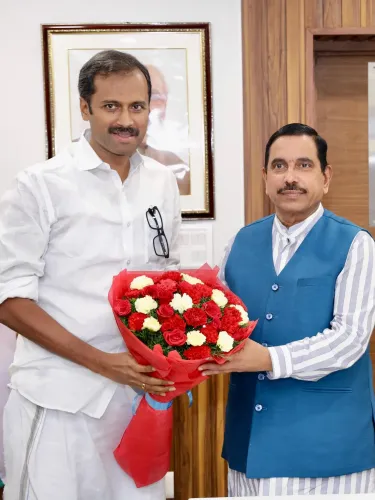
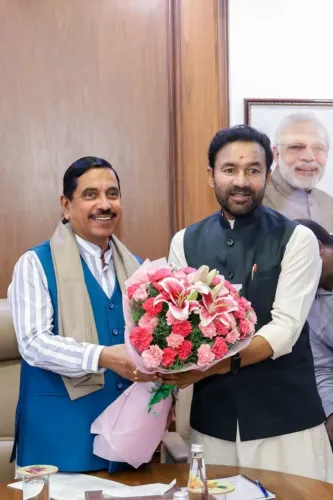
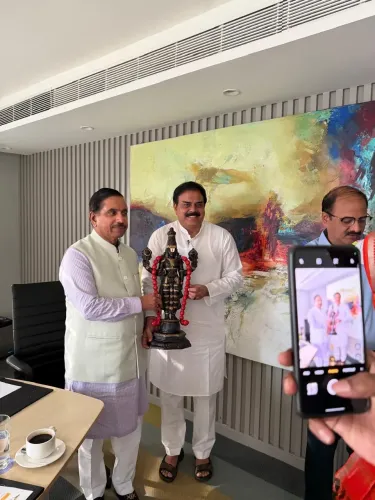
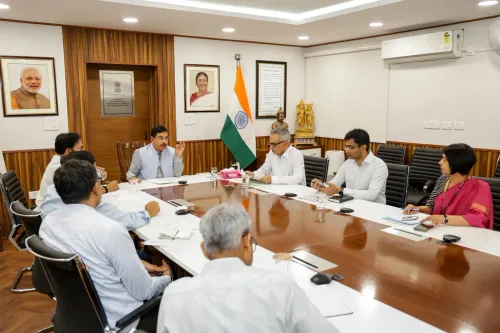
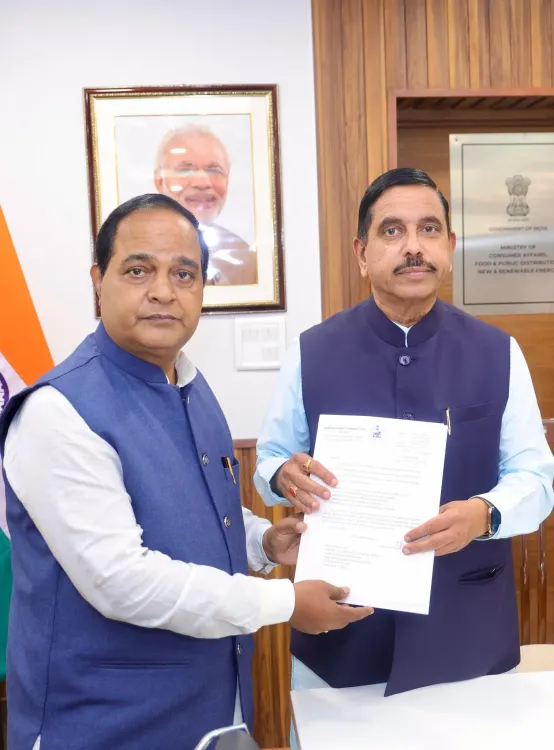
Odisha's food security pipeline came under the Centre's lens on Tuesday, 11 August 2026, when Union Minister of Consumer Affairs, Food and Public Distribution, Pralhad Joshi sat down with Odisha's Minister for Food Supplies and Consumer Welfare, Science and Technology, Krushna Chandra Patra to work through the state's paddy procurement chain — from farm gate to fair-price shop.
What the two ministers put on the table
The agenda covered the full arc of Odisha's foodgrain logistics: paddy procurement, milling, storage capacity, rice evacuation and the last-mile delivery of subsidised grain through the Public Distribution System (PDS). Joshi confirmed on X that both sides 'reaffirmed commitment to close Centre-State coordination to ensure seamless implementation, strengthen food security and deliver better outcomes for the people of Odisha.'
Patra's portfolio sits at the intersection of two federal systems — state procurement agencies and the Food Corporation of India (FCI) — making direct ministerial dialogue a practical necessity rather than a formality.
Odisha's place in India's decentralised procurement chain
Odisha has operated under the Decentralised Procurement Scheme since the early 2000s, under which state agencies procure paddy on FCI's behalf, mill it, and hand over rice for central pool stocks. The state is a significant paddy producer in eastern India, and its performance directly affects how much rice flows into the national buffer and, ultimately, into ration cards.
The National Food Security Act, 2013 mandates subsidised grain coverage for up to 75 per cent of the rural population and 50 per cent of the urban population — a scale that leaves no room for storage bottlenecks or evacuation delays. Any gap between procurement and delivery hits beneficiaries first.
Why Centre-State coordination on food keeps recurring
Meetings of this kind are a standing feature of federal food administration, not a signal of crisis. Major rice-producing states regularly engage with the Centre on kharif procurement targets, warehouse capacity and FCI offtake schedules. What makes them consequential is the cumulative effect: smoother evacuation pipelines mean less grain wastage, faster payments to farmers and steadier supply at fair-price shops.
The conversation on 11 August sets the stage for any follow-up decisions on new storage infrastructure or revised FCI procurement targets ahead of the upcoming kharif season — the real test of how today's commitments translate into outcomes on the ground.
Point of View
But its timing — ahead of the kharif procurement season — gives it operational weight. For the BJP-led Centre, visible engagement with Odisha's state government (run by the BJD-turned-BJP alliance) on bread-and-butter issues like PDS and farmer payments is also politically useful in a state that has seen shifting loyalties. The emphasis on 'seamless implementation' signals that the Centre is positioning food security delivery as a governance benchmark, not just a welfare entitlement. Whether the conversation produces measurable improvements in storage capacity or FCI offtake targets will determine if this is routine coordination or the start of a meaningful logistics upgrade.
NationPress
11 Aug 2026
Frequently Asked Questions
Why did Pralhad Joshi meet Odisha's food minister?
Union Minister Pralhad Joshi met Odisha Food Minister Krushna Chandra Patra on 11 August 2026 to discuss strengthening paddy procurement, foodgrain storage, rice evacuation and Public Distribution System delivery in Odisha.
What is the Decentralised Procurement Scheme in Odisha?
Under the Decentralised Procurement Scheme, operational in Odisha since the early 2000s, state agencies procure paddy on behalf of the Food Corporation of India, mill it, and transfer rice into the central pool for distribution.
Who is Krushna Chandra Patra?
Krushna Chandra Patra is Odisha's Minister for Food Supplies and Consumer Welfare, Science and Technology, responsible for the state's PDS and paddy procurement operations.
How does Centre-State coordination affect PDS beneficiaries in Odisha?
Smooth Centre-State coordination ensures paddy is procured on time, stored without loss, and milled rice is evacuated efficiently to fair-price shops, directly determining whether subsidised grain reaches the beneficiaries mandated under the National Food Security Act.
What comes next after this Joshi-Patra meeting?
The key follow-up to watch is any announcement on new storage infrastructure, FCI procurement targets, or evacuation timelines for Odisha ahead of the upcoming kharif season.