Pralhad Joshi Pitches e-Jagriti as Future of Consumer Justice
Synopsis
Union Consumer Affairs Minister Pralhad Joshi has publicly championed e-Jagriti, the government's digital consumer dispute resolution platform, calling it a reimagining of consumer justice for Digital India. The platform, rooted in the Consumer Protection Act 2019, aims to enable online complaint filing and mediation, reducing barriers for citizens seeking redressal.
Key Takeaways
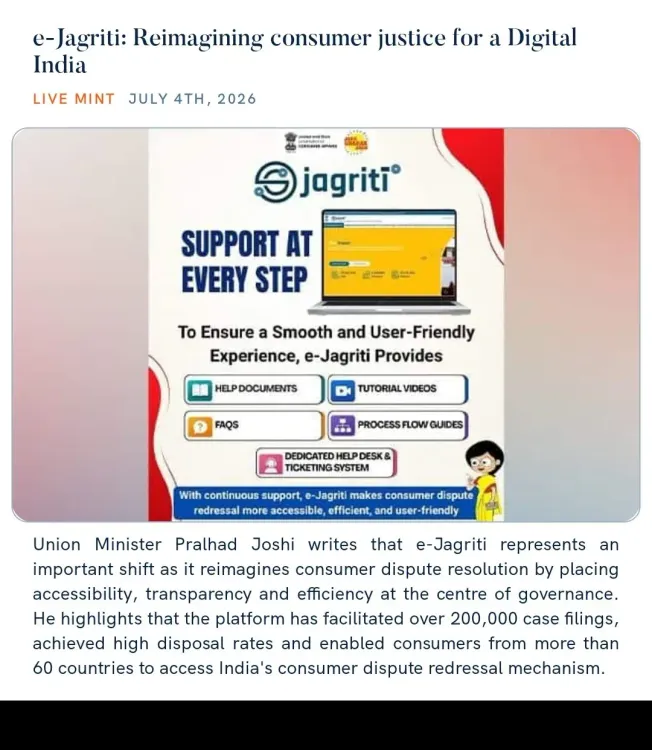
Union Consumer Affairs Minister Pralhad Joshi shared an opinion piece on 5 July 2026 advocating for e-Jagriti , the government's digital consumer dispute resolution platform. e-Jagriti enables online filing of consumer complaints, mediation, and dispute resolution without requiring physical appearances before consumer forums.
The platform is grounded in the Consumer Protection Act, 2019 , which mandated online complaint mechanisms and introduced formal mediation as an alternative to court-style proceedings.
Earlier systems including the National Consumer Helpline and CONFONET portal preceded e-Jagriti and inform its design.
Full effectiveness depends on integration with state consumer commissions — a key rollout milestone to watch.
E-commerce platforms and rural consumers are the two most directly affected stakeholder groups as the platform scales.
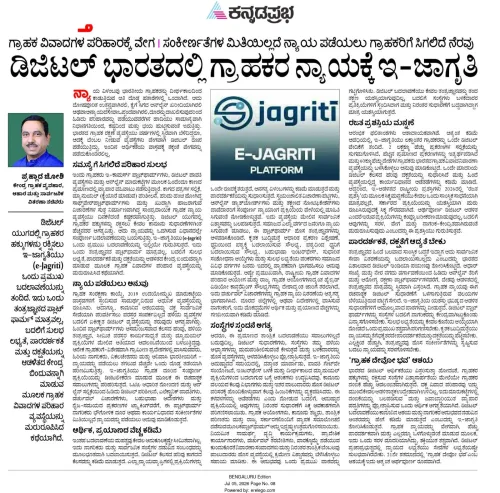
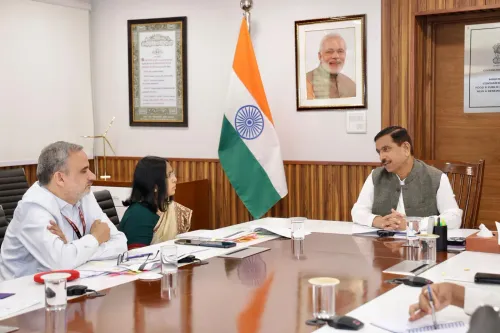
Union Consumer Affairs Minister Pralhad Joshi on Sunday, 5 July 2026 shared a detailed opinion piece advocating for e-Jagriti, the government's digital consumer dispute resolution platform, framing it as a cornerstone of consumer justice delivery in a digitally connected India.
Context
The minister's article, shared via the NaMo App, is titled 'e-Jagriti: Reimagining consumer justice for a Digital India' — a phrase that signals the government's intent to position the platform not merely as an administrative tool but as a structural shift in how ordinary citizens access redressal. Joshi has held the Consumer Affairs portfolio since 2021 and has consistently pushed for technology-led reform in the sector.
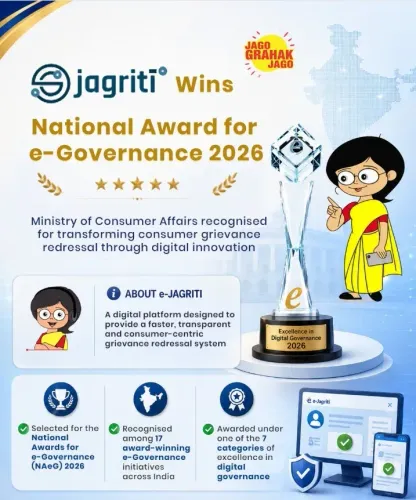
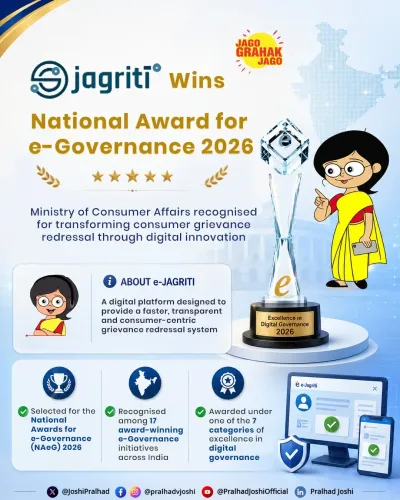
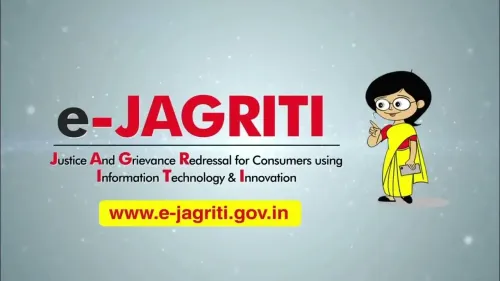
e-Jagriti is a digital platform developed under the Department of Consumer Affairs to enable online filing of consumer complaints, facilitate mediation, and streamline dispute resolution without requiring physical appearances before consumer commissions or forums.
Policy Backdrop
The platform is rooted in the Consumer Protection Act, 2019, which replaced the three-decade-old 1986 legislation and introduced provisions for product liability, e-commerce accountability, and formal mediation as an alternative to adversarial adjudication. The 2019 Act explicitly envisaged online complaint mechanisms, making e-Jagriti a legislative mandate rather than an optional upgrade.
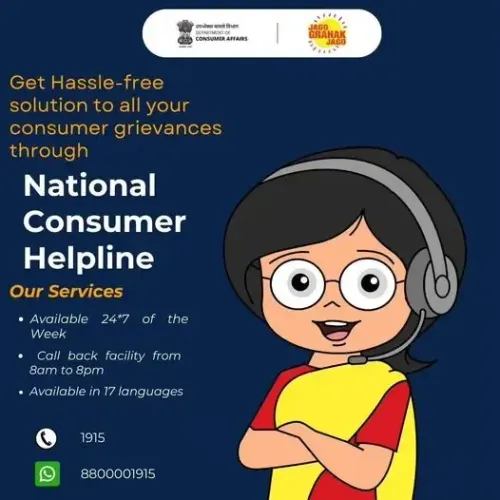
Earlier efforts such as the National Consumer Helpline and the CONFONET portal laid the groundwork for centralised complaint tracking. e-Jagriti is intended to consolidate and significantly advance these earlier systems within the broader Digital India framework, the flagship programme launched in 2015 to electronically deliver government services across sectors.
India's push to digitise consumer grievance systems mirrors parallel efforts in other arms of the justice delivery ecosystem, including the e-Courts project and online tax administration platforms, all aimed at reducing case pendency and improving access for citizens in remote or underserved areas.
Stakeholders and Impact
The primary beneficiaries of a fully functional e-Jagriti system are individual consumers, particularly those in tier-2 and tier-3 cities and rural areas who currently face logistical barriers in approaching district or state consumer commissions. For them, a digital-first system could mean the difference between pursuing a legitimate grievance and abandoning it.
E-commerce platforms are a key stakeholder on the other side of the equation. As online retail has expanded rapidly across India, so has the volume of consumer complaints related to defective goods, delayed deliveries, and misleading advertisements. A more efficient digital redressal system increases accountability pressure on these platforms.
State consumer commissions and district forums would also be directly affected, as e-Jagriti's full potential depends on its integration with these bodies — a rollout challenge that remains a key variable in the platform's success.
What's Next
The critical milestones to watch are the integration of e-Jagriti with state consumer commissions across India and any accompanying amendments to mediation rules under the Consumer Protection Act. Wider adoption will require not just technical interoperability but also digital literacy outreach so that consumers who stand to benefit most are actually able to use the system. Minister Joshi's public advocacy through opinion writing suggests the government is building a narrative case for the platform ahead of what may be a broader rollout or policy announcement.
Point of View
But with e-commerce disputes rising sharply, Joshi appears to be positioning the ministry — and himself — at the centre of a high-visibility digital governance story. The real test will be whether the platform's backend integration with state-level bodies can match the ambition of the minister's rhetoric.
NationPress
5 Jul 2026
Frequently Asked Questions
What is e-Jagriti and how does it help consumers in India?
e-Jagriti is a digital platform developed by India's Department of Consumer Affairs that allows citizens to file consumer complaints online, participate in mediation, and resolve disputes without visiting a consumer commission or forum in person. It is designed to make the redressal process faster and more accessible, particularly for people in smaller cities and rural areas.
Is e-Jagriti linked to the Consumer Protection Act 2019?
Yes. The Consumer Protection Act, 2019 explicitly envisaged online complaint mechanisms and introduced mediation as a formal alternative to adjudication, providing the legislative foundation for platforms like e-Jagriti.
What did Pralhad Joshi say about e-Jagriti?
Minister Pralhad Joshi described e-Jagriti as a reimagining of consumer justice for a Digital India, arguing the platform represents a structural shift in how citizens can access redressal in an increasingly connected country.
How is e-Jagriti different from the National Consumer Helpline?
The National Consumer Helpline and the earlier CONFONET portal were primarily complaint tracking and routing systems. e-Jagriti is intended to go further by enabling end-to-end online resolution including mediation, making it a more comprehensive digital justice tool.
What needs to happen for e-Jagriti to be fully effective?
The platform's full effectiveness depends on its integration with state consumer commissions and district forums across India, along with possible amendments to mediation rules and digital literacy outreach to ensure the citizens who need it most can actually use it.