Pralhad Joshi reviews festive-season prices, confirms buffer stock
Synopsis
Union Consumer Affairs Minister Pralhad Joshi met senior department officials on 26 October 2026 to review festive-season price trends, confirmed adequate buffer stocks for essential commodities, and signalled that prices are moving towards stability.
Key Takeaways
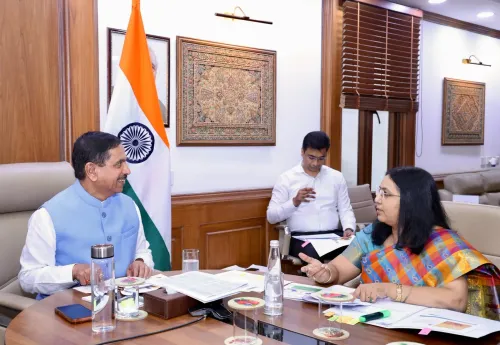
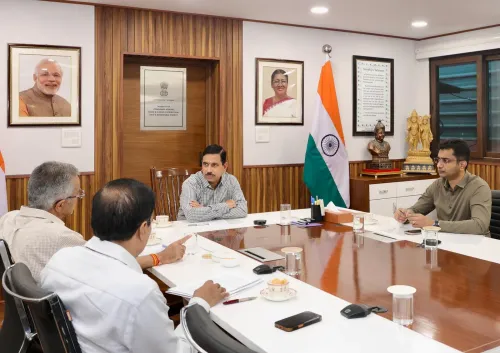
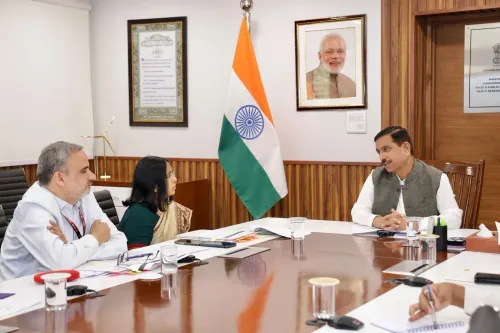
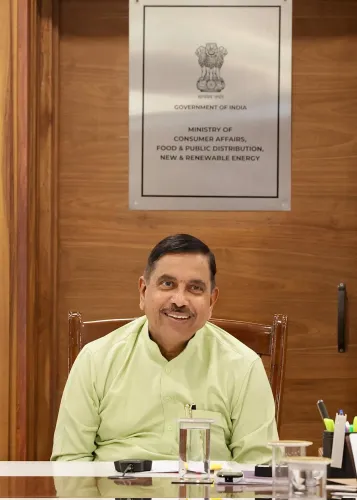
Union Consumer Affairs Minister Pralhad Joshi held a review meeting with Department of Consumer Affairs secretaries and senior officials on 26 October 2026 .
The meeting examined current price conditions, festive-season market trends, and stocking needs for the coming year.
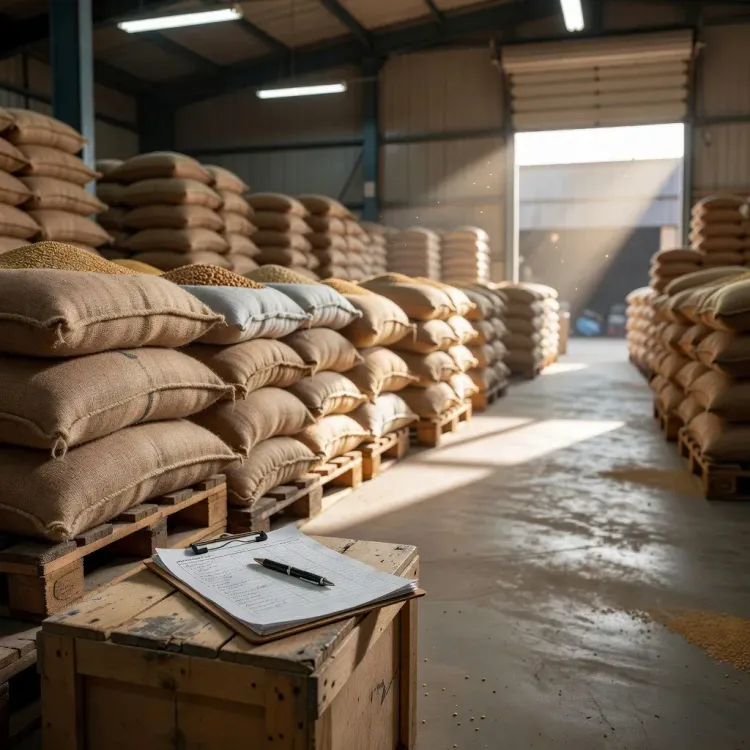
Adequate buffer stocks of essential commodities have been confirmed as available.
The minister stated that signs of price stabilisation are emerging in the market.
Continuous efforts are underway to protect consumer interests alongside maintaining market stability.
The review is part of the government's standing pre-festival mechanism backed by the Price Stabilisation Fund , operationalised in 2014-15 .
With the festive season in full swing and household budgets under pressure, Union Consumer Affairs Minister Pralhad Joshi convened a high-level review meeting with senior officials of the Department of Consumer Affairs on Monday, 26 October 2026, examining current price conditions, market trends, and stock requirements for the year ahead.
What the review covered — and what it found
The Minister, posting in Kannada, said the meeting assessed the availability of essential commodities and confirmed that adequate buffer stocks are in place. 'ಬೆಲೆಗಳು ಸ್ಥಿರತೆಯತ್ತ ಸಾಗುತ್ತಿರುವ ಸೂಚನೆಗಳು ಕಂಡುಬರುತ್ತಿವೆ' — 'signs are emerging that prices are moving towards stability,' he wrote, a line that will offer some reassurance to consumers navigating elevated retail costs.
The review explicitly covered three pressure points: present price conditions, festive-season market trends, and stocking requirements for the coming year. Buffer stock management sits at the heart of the government's toolkit for keeping staple prices in check, and the minister's post signals the machinery is actively engaged.
The buffer stock mechanism behind the reassurance
India's Price Stabilisation Fund, operationalised in 2014-15, underwrites the government's ability to intervene in markets for sensitive commodities — pulses, onions, and edible oils among them — by building and releasing buffer stocks to cool retail prices when supply tightens. The Department of Consumer Affairs periodically reviews these stocks, particularly ahead of high-demand periods when food inflation tends to spike.
Pre-festival reviews of this kind are a standing feature of the ministry's calendar. The festive stretch from Navratri through Diwali and into the winter months historically drives demand for cooking oil, sugar, and pulses — commodities whose prices, if left unchecked, fall hardest on lower-income households.
Jago Grahak Jago and the consumer protection signal
Joshi tagged @jagograhakjago — the government's national consumer-awareness campaign — in his post, underlining that the review is framed not merely as a supply-management exercise but as a consumer-protection commitment. The Department runs the Jago Grahak Jago ('Wake Up, Consumer') initiative to educate citizens on their market rights, and invoking it here ties the internal administrative review to a public accountability message.
Continuous efforts are being made to protect consumer interests while maintaining market stability, the minister said — a signal, ahead of the next retail inflation data release, that the Centre is watching commodity markets closely and is prepared to act.
Point of View
The minister is managing market expectations as much as managing markets themselves. The tagging of 'Jago Grahak Jago' adds a consumer-rights framing that elevates the exercise beyond routine bureaucratic review. With retail inflation data due and edible oil and pulse prices historically sensitive to festive demand, the ministry's visible engagement is both administrative prudence and political communication.
NationPress
26 Oct 2026
Frequently Asked Questions
What did Pralhad Joshi discuss at the Consumer Affairs meeting on 26 October 2026?
Minister Joshi reviewed the current price situation for essential commodities, festive-season market trends, and storage requirements for the coming year, and confirmed that adequate buffer stocks are in place.
What is India's Price Stabilisation Fund and how does it work?
The Price Stabilisation Fund, operationalised in 2014-15, allows the government to procure and hold buffer stocks of sensitive commodities like pulses, onions, and edible oils, which can be released into the market to cool prices when retail costs spike.
Are essential commodity prices stable in India during the 2026 festive season?
According to Minister Pralhad Joshi's statement on 26 October 2026, signs are emerging that prices are moving towards stability, and buffer stocks are confirmed as adequate.
What is Jago Grahak Jago?
'Jago Grahak Jago' — meaning 'Wake Up, Consumer' — is a national consumer-awareness campaign run by India's Department of Consumer Affairs to educate citizens about their rights and market-related issues.
Why does the government review commodity prices before festive seasons?
Festive seasons drive higher demand for staples such as cooking oil, sugar, and pulses, historically pushing up retail prices. The Ministry of Consumer Affairs holds pre-festival reviews as a standing mechanism to identify supply gaps and release buffer stocks before inflationary pressure builds.