President Murmu at Bastar Dussehra: Faith, Heritage, Unity
Synopsis
President Droupadi Murmu visited Bastar on 24 October 2026, attending Bastar Dussehra, offering prayers at Maa Danteshwari Temple, and engaging at Muria Darbar — calling for tribal heritage preservation, youth opportunities, and development with social solidarity.
Key Takeaways
President Droupadi Murmu visited Bastar, Chhattisgarh on 24 October 2026 for the Bastar Dussehra festival.
She offered prayers at the ancient Maa Danteshwari Temple , a central site of tribal religious identity in Bastar.
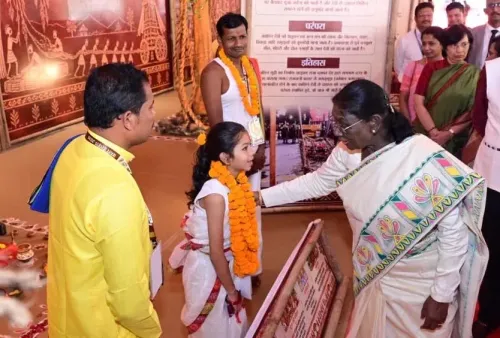
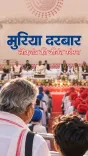
At the historic Muria Darbar , she engaged in dialogue with tribal communities, calling for heritage conservation, youth opportunity, and social solidarity.
Murmu is India's first President from a Scheduled Tribe community, making her participation at tribal cultural events symbolically significant.
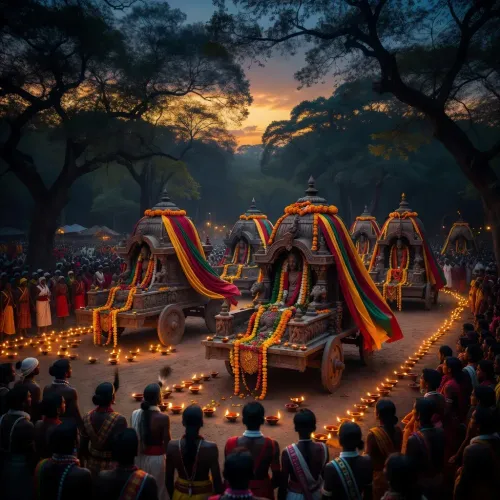
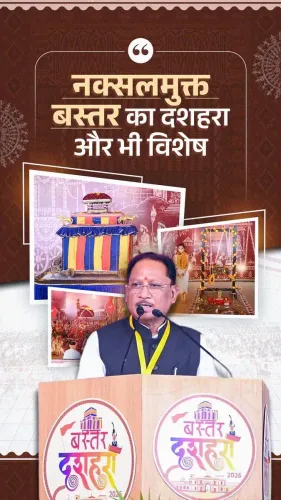
Bastar Dussehra is a centuries-old tribal festival distinct from the mainstream Dussehra narrative, centred on Goddess Danteshwari.
The visit aligns with Chief Minister Vishnu Deo Sai's Viksit Chhattisgarh agenda linking cultural events with tribal development messaging.
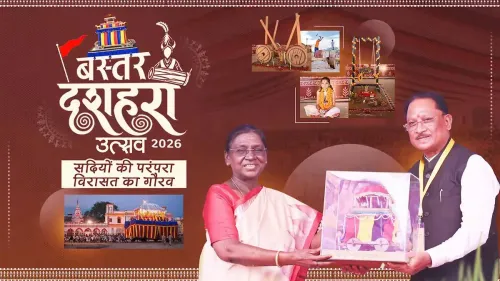
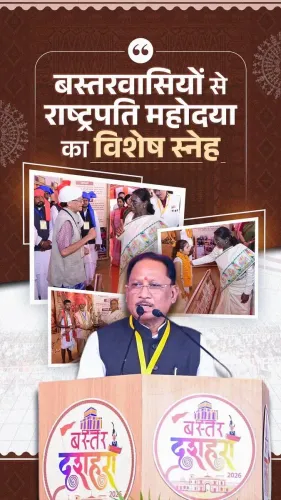
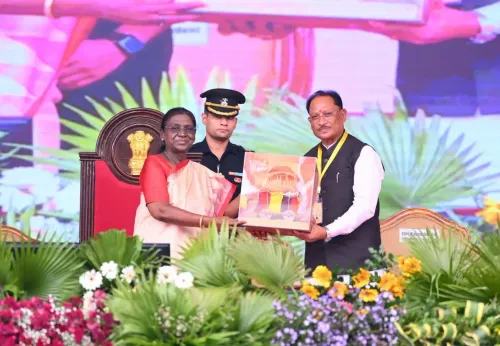
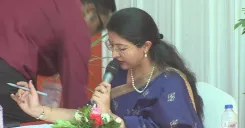
India's first tribal President walked into the heart of tribal India — and the symbolism was impossible to miss. President Droupadi Murmu visited Bastar in southern Chhattisgarh on Saturday, 24 October 2026, immersing herself in the region's living cultural calendar: seeking blessings at the ancient Maa Danteshwari Temple, holding dialogue at the historic Muria Darbar, and participating in the centuries-old Bastar Dussehra festival. The Chief Minister's Office of Chhattisgarh called the visit a 'aastha, sanskriti aur parampara ka sangam' — a confluence of faith, culture, and tradition.
What the President said at Muria Darbar and Bastar Dussehra
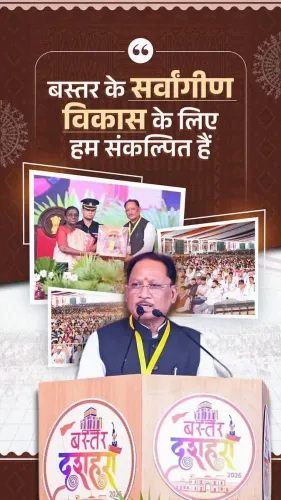
At each stop — the temple, the Muria Darbar assembly, and the Dussehra grounds — President Murmu invoked three interlocking ideas: preserving tribal heritage, opening doors of opportunity for tribal youth, and advancing development without fracturing social solidarity. The Muria Darbar, a traditional forum with deep roots in Bastar's Gond and Muria tribal governance, gave her remarks an especially resonant stage — a sitting President engaging with indigenous deliberative traditions on their own ground.
Why Bastar Dussehra carries weight no other festival quite matches
Bastar Dussehra is not the ten-day Rama–Ravana narrative most of India observes. Observed for centuries, it is a distinctly tribal celebration centred on Goddess Danteshwari, the presiding deity of the region, blending royal ritual with indigenous custom over roughly 75 days — making it one of the longest-running festival traditions in the country. The Danteshwari Temple in Jagdalpur, ancient and architecturally striking, anchors the religious core of the festival and of Bastar's tribal identity.
President Murmu's tribal identity and the national conversation it carries
Droupadi Murmu, who assumed the Presidency in 2022, became the first person from a Scheduled Tribe community to hold India's highest constitutional office. Her visits to tribal heartlands — Bastar among the most symbolically loaded of them — carry a charge that goes beyond ceremony. They signal to millions of tribal citizens that their heritage is not peripheral to India's national story. Chief Minister Vishnu Deo Sai, who has anchored the state's development agenda under the Viksit Chhattisgarh framework, has consistently linked cultural events of this scale with messaging on socio-economic inclusion — a pattern this visit reinforces.
The Viksit Chhattisgarh frame and what follows
Chhattisgarh's government has made a deliberate practice of pairing high-profile cultural participation with development discourse, particularly in the tribal belt of Bastar. The state's Viksit Chhattisgarh vision positions tribal youth skill development, connectivity, and cultural infrastructure as interlinked goals. President Murmu's public call during the visit — for youth opportunity alongside heritage conservation — aligns precisely with that frame, lending it constitutional weight.
A President rooted in tribal tradition, standing inside the oldest tribal festival in the country, asking that development and dignity travel together: Bastar just made that argument in the most vivid terms possible.
Point of View
It reinforces the Viksit Chhattisgarh narrative by anchoring development aspirations in cultural legitimacy rather than purely administrative framing. Nationally, the visit extends a broader pattern: using high-level participation in tribal ceremonies to signal inclusion at the top of the republic, at a time when tribal land rights, forest governance, and youth migration remain live tensions in central India. The real test will be whether the ceremonial momentum translates into measurable follow-through on skill development and heritage infrastructure in the Bastar belt.
NationPress
24 Oct 2026
Frequently Asked Questions
Why did President Droupadi Murmu visit Bastar in October 2026?
President Murmu visited Bastar on 24 October 2026 to participate in the Bastar Dussehra festival, offer prayers at Maa Danteshwari Temple, and engage in dialogue at the Muria Darbar, calling for tribal heritage preservation and youth opportunity.
What is Bastar Dussehra and how is it different from regular Dussehra?
Bastar Dussehra is a centuries-old tribal festival in southern Chhattisgarh centred on Goddess Danteshwari. Unlike the mainstream Rama–Ravana narrative, it blends indigenous Gond and Muria tribal traditions with royal ritual and spans roughly 75 days, making it one of India's longest-running festivals.
What is the Muria Darbar in Bastar?
The Muria Darbar is a historic traditional assembly platform in Bastar rooted in the governance customs of the Gond and Muria tribal communities. It has historically served as a forum for community dialogue and is a key site during the Bastar Dussehra celebrations.
What did President Murmu say during her Bastar visit?
According to the Chief Minister's Office of Chhattisgarh, President Murmu called for the preservation of tribal heritage, creating opportunities for youth, and advancing development while maintaining social solidarity.
What is the Viksit Chhattisgarh vision mentioned by the CMO?
Viksit Chhattisgarh is the development framework of the Chhattisgarh government under Chief Minister Vishnu Deo Sai, which links tribal cultural events with broader goals of socio-economic inclusion, youth skill development, and connectivity in the state's tribal regions.