President Murmu at AIIMS Bilaspur: Ayushman Bharat covers 50 crore, spent ₹2 lakh crore
Synopsis
At AIIMS Bilaspur's first-ever convocation, President Murmu revealed that Ayushman Bharat has already spent over ₹2 lakh crore covering 50 crore beneficiaries — and called on the new doctors to carry that mission to India's most remote corners. Health Minister Nadda added a headline target: 75,000 new medical seats by 2029, backed by ₹15,000 crore.
Key Takeaways
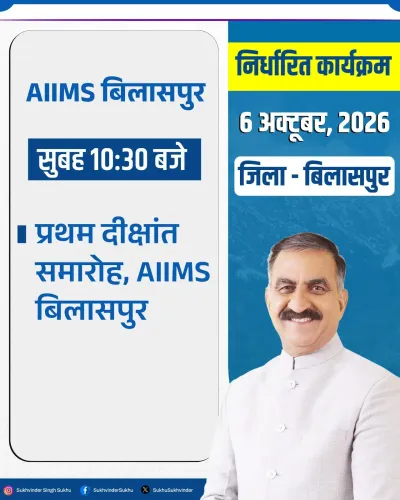
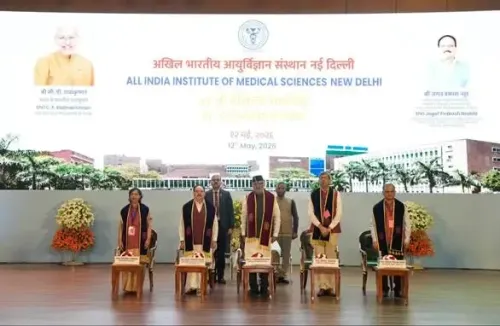
President Droupadi Murmu addressed the first convocation of AIIMS Bilaspur on 6 October in Himachal Pradesh .
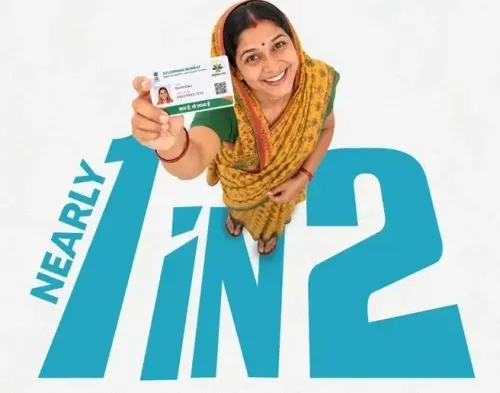
Ayushman Bharat PMJAY has spent over ₹2 lakh crore and now covers more than 50 crore beneficiaries with ₹5 lakh per family per year in health cover.
Nadda said medical colleges have grown from 384 to 800+ and UG seats from 51,348 to 1.42 lakh in 12 years .
The government targets 75,000 additional medical seats by 2029 , with ₹15,000 crore allocated for 10,000 MBBS and PG seats .
AIIMS Bilaspur now has 776 beds , 26 specialties , 15 super specialties , with OPD crossings of 12 lakh and IPD admissions exceeding 1 lakh .
16 new AIIMS have been established across India in the last 12 years .
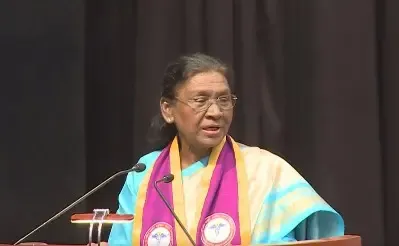
President Droupadi Murmu on Tuesday, 6 October underscored the transformative reach of the Ayushman Bharat Pradhan Mantri Jan Arogya Yojana (AB-PMJAY), noting that more than ₹2 lakh crore has been spent on medical treatment under the scheme, which now covers over 50 crore beneficiaries and provides health cover of ₹5 lakh per family per year to economically vulnerable households. She was speaking at the first convocation of the All India Institute of Medical Sciences (AIIMS) Bilaspur in Himachal Pradesh.
President's Call to Reach Remote Communities
President Murmu called on healthcare stakeholders to ensure that information about government health protection measures reaches people in far-flung and inaccessible areas. She emphasised that AIIMS Bilaspur, given its geographical location in the hills, carries a special responsibility to strengthen tertiary healthcare across the region — through telemedicine, expert consultations, training of medical personnel, and the adoption of modern technology.
'The field of medicine is not just a field of science and technology. It is actually a field of compassion and trust as well,' President Murmu said, urging the graduating doctors to keep the needs of underserved populations at the heart of their practice.
First Graduating Batch Conferred Degrees
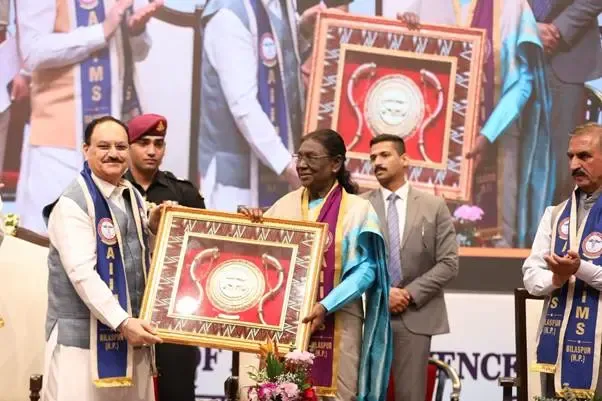
The President conferred degrees on the first graduating batch of AIIMS Bilaspur, asking them to remain lifelong learners who keep pace with evolving medical practices. She encouraged them to translate research into innovation that meaningfully improves people's lives, particularly those with limited access to specialised care.
Medical Education Expansion: Key Numbers
Union Minister for Health and Family Welfare J.P. Nadda, also addressing the convocation, highlighted the sharp expansion of medical education in India over the last 12 years. According to Nadda, the number of medical colleges has risen from 384 to more than 800, while undergraduate medical seats have grown from 51,348 to 1.42 lakh.
Nadda shared the government's target of adding 75,000 undergraduate and postgraduate medical seats by 2029, backed by an outlay of ₹15,000 crore for 10,000 additional MBBS and PG seats. He also highlighted that the AIIMS network has grown from a single institution to 16 new AIIMS established in the last 12 years under the leadership of Prime Minister Narendra Modi.
AIIMS Bilaspur's Growth in Five Years
Nadda noted that AIIMS Bilaspur has surpassed its original target of 750 beds, now operating with 776 beds, 26 specialties, and 15 super specialties. The institute offers complex surgical procedures, cardiac catheterisation interventions, neurosurgery, cancer care, and radiotherapy services — all achieved within five years of becoming operational.
Outpatient (OPD) consultations at the institute have crossed 12 lakh and in-patient (IPD) admissions have exceeded 1 lakh over the last four years, according to Nadda. The milestones signal that the institute has moved well beyond its initial phase and is emerging as a referral hub for the hill state and its neighbouring regions.
The convocation marks a significant milestone for AIIMS Bilaspur and for healthcare access in Himachal Pradesh — a state where mountainous terrain has historically made specialist medical care a distant prospect for many residents.
Point of View
But the more important metric — health outcomes for the 50 crore enrolled — was absent from Tuesday's address. Coverage numbers and expenditure figures tell only half the story; quality of care, claim rejection rates, and whether the poorest patients are actually accessing the scheme remain under-reported. Nadda's 75,000-seats target by 2029 is ambitious, but India's doctor-to-population ratio still lags WHO recommendations, and expanding seats without addressing faculty shortages at newer institutions risks diluting standards. AIIMS Bilaspur's five-year trajectory is genuinely impressive, but it also highlights how dependent remote hill populations are on single flagship institutions — a structural vulnerability that telemedicine alone cannot fix.
NationPress
6 Oct 2026
Frequently Asked Questions
What is the Ayushman Bharat Pradhan Mantri Jan Arogya Yojana?
Ayushman Bharat PMJAY is a government-funded health insurance scheme that provides eligible low-income families with health cover of ₹5 lakh per family per year for hospitalisation and treatment costs. As of October 2026, it has expanded to cover more than 50 crore beneficiaries, with cumulative spending exceeding ₹2 lakh crore.
What did President Murmu say at AIIMS Bilaspur's convocation?
President Droupadi Murmu delivered the keynote at AIIMS Bilaspur's first convocation on 6 October, calling on graduates to serve remote and underserved communities and urging the institute to strengthen tertiary care through telemedicine and modern technology. She also highlighted Ayushman Bharat's reach and asked stakeholders to spread awareness of health protection schemes in far-flung areas.
How has medical education expanded in India in the last 12 years?
According to Health Minister J.P. Nadda, India's medical colleges have grown from 384 to over 800, and undergraduate medical seats have increased from 51,348 to 1.42 lakh over the last 12 years. The government has set a further target of adding 75,000 undergraduate and postgraduate seats by 2029, with ₹15,000 crore earmarked for 10,000 additional MBBS and PG seats.
How many AIIMS institutions are now operational in India?
India now has 16 new AIIMS established in the last 12 years, in addition to the original institution, bringing the total AIIMS network to 17. Health Minister Nadda attributed this expansion to the focus on medical infrastructure under Prime Minister Narendra Modi's leadership.
What are AIIMS Bilaspur's current facilities?
AIIMS Bilaspur in Himachal Pradesh currently operates 776 beds, 26 specialties, and 15 super specialties, surpassing its initial target of 750 beds. The institute offers services including neurosurgery, cardiac catheterisation, cancer care, and radiotherapy, and has recorded over 12 lakh OPD consultations and 1 lakh IPD admissions in its first four years.