Why Did President Murmu Reject the Bill to Appoint CM Mamata Banerjee as Chancellor of Bengal Universities?
Synopsis
In a surprising turn of events, President Droupadi Murmu has denied approval to a pivotal bill that sought to elevate West Bengal's Chief Minister Mamata Banerjee to Chancellor of state universities. This decision has sparked intense political debate, with implications for university governance and state politics. What does this mean for the educational landscape in Bengal?
Key Takeaways
President Murmu did not approve the Bill to make Mamata Banerjee Chancellor.
The current Chancellor is Governor C.V.
The Bill was intended to enhance university functioning.
Legal and constitutional questions remain unresolved.
Opposition parties are concerned about political influence in education.
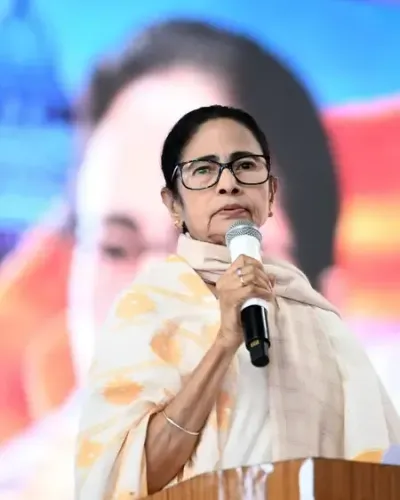
Kolkata, Dec 15 (NationPress) In a significant blow to the Trinamool Congress administration, President Droupadi Murmu has withheld her approval for the West Bengal University Laws (Amendment) Bill, 2022, which aimed to appoint Chief Minister Mamata Banerjee as the Chancellor of all state universities.
With the President's refusal, the position of Chancellor in West Bengal's state-run universities remains unchanged.
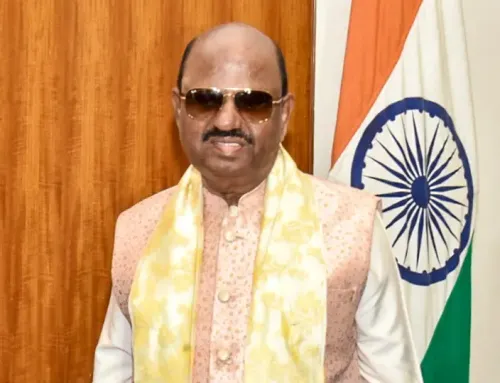
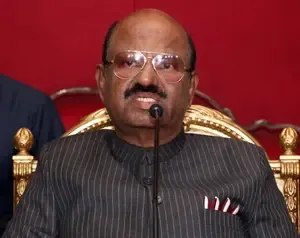
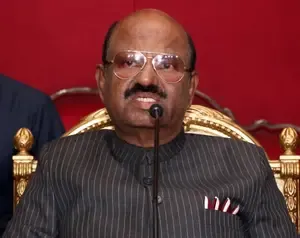
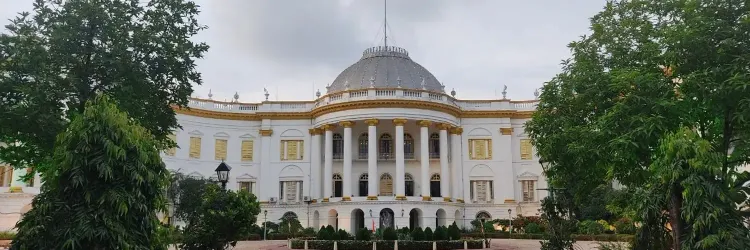
Currently, Governor C.V. Ananda Bose holds the Chancellor's role across all state universities.
Officials at Lok Bhavan, the Governor's residence, have reiterated that Governor Ananda Bose will continue fulfilling his responsibilities as Chancellor.
The Bill was forwarded to President Murmu by Governor Ananda Bose in 2024 after being approved by the West Bengal Assembly.
In 2022, the West Bengal Cabinet had sanctioned a move to designate Chief Minister Mamata Banerjee as Chancellor of state universities.
The state government, led by Trinamool Congress, contended that such a change would invigorate the academic and administrative functions of these institutions.
During the tenure of former Governor Jagdeep Dhankhar, allegations arose that the Trinamool Congress government was appointing Vice-Chancellors without his consultation.
Some members of the political and academic circles argue that this development intensifies the ongoing friction between the West Bengal government and Lok Bhavan.
According to the Indian Constitution, the Governor inherently serves as the Chancellor of the universities.
Modifications to this system necessitate careful consideration from a constitutional standpoint.
The absence of Presidential approval clearly signals that legal and constitutional concerns persist regarding the suggested amendments.
Previously, the West Bengal government had asserted that these amendments were designed to overcome the enduring stalemate in appointing Vice-Chancellors.
Conversely, opposition parties have consistently resisted the Bill.
The Bharatiya Janata Party (BJP), the primary opposition in West Bengal, argues that this move would jeopardize university autonomy and escalate political interference in the state's education sector.
Point of View
This decision by President Murmu underscores the delicate balance of power in educational governance in India. While the state government advocates for reform, the constitutional framework mandates caution. This situation calls for a deeper dialogue about autonomy and the role of political influence in education.
NationPress
22 Sept 2026
Frequently Asked Questions
What is the significance of the West Bengal University Laws (Amendment) Bill?
The Bill sought to appoint Chief Minister Mamata Banerjee as Chancellor, aiming to streamline university governance and enhance administrative efficiency.
Why did President Murmu reject the Bill?
The rejection indicates unresolved legal and constitutional concerns regarding changes to the Chancellor's position within the universities.
Who is currently the Chancellor of West Bengal's state universities?
Governor C.V. Ananda Bose currently holds the position of Chancellor for all state universities in West Bengal.
What impact might this have on university autonomy?
Opposition parties claim that appointing a political figure as Chancellor could lead to increased political interference in the education system.
What are the next steps for the West Bengal government regarding this issue?
The government may need to address the constitutional concerns raised and possibly revise their approach to university governance.