Pune Metro Line-3 inaugurated; PMR to be India's mobility hub by 2030
Synopsis
India's first PPP-model metro corridor — the 23-km Hinjawadi–Shivajinagar Line-3 — was inaugurated on Tuesday, with PM Modi also laying the foundation stone for Phase-2 at ₹9,858 crore. When complete, Pune's metro network will exceed 100 km, and the line makes history as India's first 100 per cent women-operated metro — a landmark that went largely unnoticed in the infrastructure headlines.
Key Takeaways
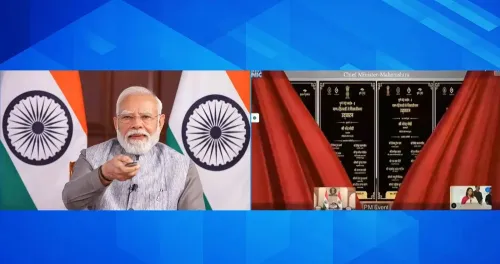
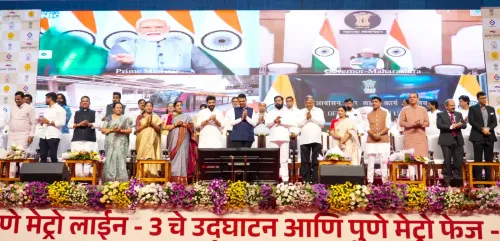
PM Modi virtually inaugurated Pune Metro Line-3 (Mann-Hinjawadi to Shivajinagar) and laid the foundation stone for Phase-2 on 3 November 2026 .
The 23-km corridor is India's first metro built under a PPP model , completed at approximately ₹8,313 crore .
Phase-2 covers 4 extended corridors , 28 stations , and 31 km , approved by the Centre at ₹9,858 crore ; total network to exceed 100 km .
Pune Metro Line-3 will be India's first 100 per cent women-operated metro , with about 100 women train pilots and 50% women station staff.
Cumulative ridership has crossed 9 million ; 9,58,603 passengers travelled in September 2026 alone.
The Centre has allocated ₹5,000 crore for PMR urban transport infrastructure; CM Fadnavis projects the region as India's major mobility hub by 2030 .
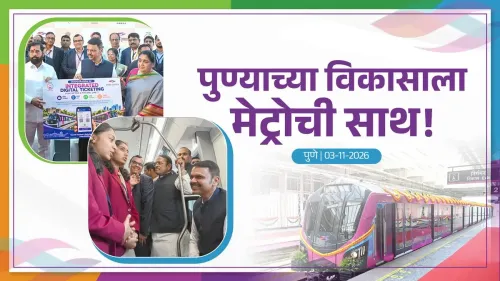
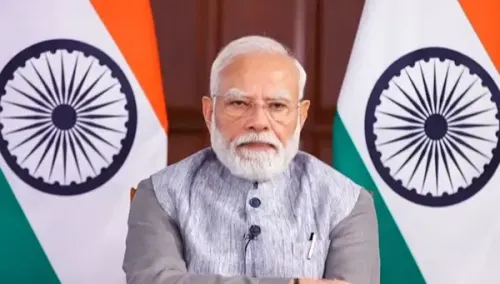
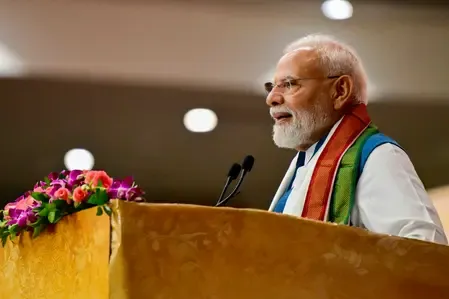
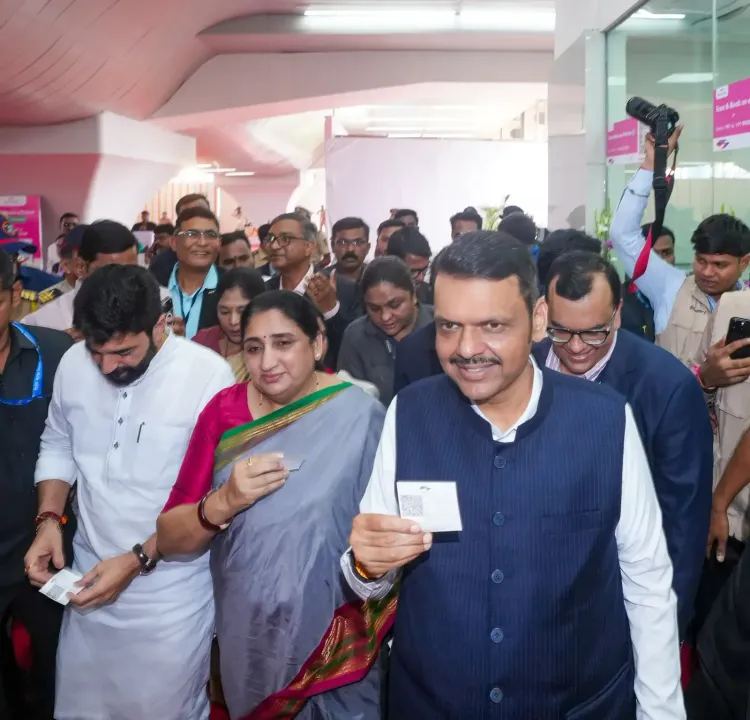
Prime Minister Narendra Modi on 3 November 2026 virtually inaugurated the Mann-Hinjawadi to Shivajinagar Metro Line-3 and laid the foundation stone for Pune Metro Phase-2, marking a landmark moment for urban mobility in Pune, Pimpri-Chinchwad, and the broader Pune Metropolitan Region (PMR). Maharashtra Chief Minister Devendra Fadnavis expressed confidence that the region will emerge as India's major mobility hub by 2030, backed by a comprehensive network of metro lines, electric buses, ring roads, tunnels, and a new airport.
India's First PPP Metro Corridor
The 23-km Hinjawadi–Shivajinagar corridor is India's first metro project executed under a Public-Private Partnership (PPP) model using the DBFOT (Design, Build, Finance, Operate, and Transfer) framework under the National Metro Rail Policy 2017. Built by Tata Projects and Siemens on a DBOT (Design, Build, Operate, and Transfer) basis, the project was completed at a cost of approximately ₹8,313 crore, supported by viability gap funding (VGF) and land acquisition facilitated by the Maharashtra government. The foundation stone for this corridor was first laid by Prime Minister Modi in 2018.
With the addition of this corridor, the Pune Metro network expands to 55 km. Approximately 120 kilometres of metro lines have already been developed in Pune, with multiple corridors still under construction.
What the Leaders Said
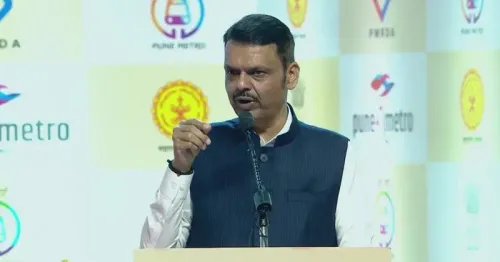
'Hinjawadi and its surrounding areas form a critical IT hub in India, visited daily by thousands of employees who often face heavy traffic congestion, losing one to two hours of their time. The launch of the Metro will bring immense relief to IT professionals, particularly the youth,' Chief Minister Fadnavis said at the event.
He described the metro as 'not merely a transport facility but an engine driving economic development, fostering investments, employment, and surrounding economic ecosystems.' Deputy Chief Minister Eknath Shinde termed the inauguration a 'historic Diwali gift' to Pune's residents and commended the state government's record of executing projects on time. Deputy Chief Minister Sunetra Pawar highlighted that Pune Metro Line-3 will be India's first 100 per cent women-operated metro line, with around 100 women train pilots and 50 per cent of station staff being women.
Phase-2 Foundation Stone and Expanded Network
The Union Cabinet has approved four extended corridors under Phase-2, the foundation stone for which was also laid on Tuesday. These corridors — spanning approximately 31 kilometres and 28 stations — have been cleared by the Centre at an estimated cost of ₹9,858 crore. The new routes will connect Vanaz to Chandani Chowk, Ramwadi to Vitthalwadi, Kothrud, Bavdhan, Viman Nagar, Kharadi, and Wagholi. Once completed, the total Pune Metro network will exceed 100 kilometres.
Separately, foundation stones were also laid on Tuesday for approximately 46 km of new routes — namely Khadakwasla–Kharadi, Vanaz–Chandani Chowk, Ramwadi–Wagholi, and Manikbaug–Nal Stop — aimed at strengthening connectivity across the eastern, western, and southern parts of the city.
Ridership and Green Credentials
In September 2026 alone, 9,58,603 passengers travelled via Pune Metro, and cumulatively more than nine million passengers have used the service since its launch. Developed as a 'Green Metro', the Pune Metro will generate 30 per cent of its required energy independently.
The Centre has also allocated a fund of ₹5,000 crore to develop the Pune Metropolitan Region into a major urban growth centre, to be utilised for building modern transport infrastructure across Pune and the PMR. Maharashtra has emerged as a major beneficiary of India's metro expansion, with metro systems operational or under construction across 12 municipal corporation areas in the state.
Broader Infrastructure Push
Beyond the metro, Deputy CM Shinde pointed to the upcoming 'Missing Link' project on the Mumbai-Pune Expressway, which is expected to further reduce travel time between the two cities, alongside a ring road encircling Pune. Approvals worth ₹426 crore have been granted for internal approach roads leading to metro stations in the Hinjawadi, Mann, and Marunji areas, under a special task force constituted under the leadership of the District Collector.
With Phase-2 approvals in place and a string of complementary infrastructure projects advancing, Pune's transformation into a multi-modal urban mobility corridor is expected to accelerate significantly before 2030.
Point of View
But the real test lies in Phase-2 execution — four corridors, 28 stations, and ₹9,858 crore that must be delivered within a politically charged timeline ahead of 2030. Pune's metro ridership numbers are encouraging, but at 9 million cumulative passengers, the system is still far from the daily throughput that would justify the 'mobility hub' label. The 'first 100 per cent women-operated metro' headline deserves wider attention than it received — it is a structural workforce commitment, not a ceremonial gesture. And with Maharashtra simultaneously pushing the Missing Link, ring roads, and a new airport, the PMR's integrated transport vision is ambitious enough to be credible — but only if land acquisition and funding timelines hold, two areas where past Maharashtra megaprojects have consistently slipped.
NationPress
3 Nov 2026
Frequently Asked Questions
What is Pune Metro Line-3 and why is it significant?
Pune Metro Line-3 is the 23-km Hinjawadi–Shivajinagar corridor inaugurated on 3 November 2026 by PM Modi. It is India's first metro project executed under a PPP model using the DBFOT framework, completed at approximately ₹8,313 crore, and will be the country's first 100 per cent women-operated metro line.
What is included in Pune Metro Phase-2?
Phase-2 covers four extended corridors — Vanaz to Chandani Chowk, Ramwadi to Vitthalwadi, and connections to Kothrud, Bavdhan, Viman Nagar, Kharadi, and Wagholi — spanning 31 km and 28 stations, approved by the Centre at ₹9,858 crore. Once complete, the total Pune Metro network will exceed 100 km.
How many passengers use Pune Metro currently?
More than nine million passengers have cumulatively used the Pune Metro since its launch. In September 2026 alone, 9,58,603 passengers travelled on the network, according to figures cited at the inauguration event.
What central funding has been provided for Pune's transport infrastructure?
The Centre has allocated ₹5,000 crore to develop the Pune Metropolitan Region into a major urban growth centre. This funding will be used to build modern transport infrastructure across Pune and the PMR alongside the metro expansion.
What is the 2030 mobility hub target for Pune?
Maharashtra CM Devendra Fadnavis has projected that Pune, Pimpri-Chinchwad, and the PMR will emerge as India's major mobility hub by 2030, backed by metro lines totalling over 100 km, electric buses, inner and outer ring roads, underground tunnels, and a new airport currently under development.