Punjab stubble-burning hits 6,718 cases, surpasses all of 2025; CAQM serves notices to 12 officials
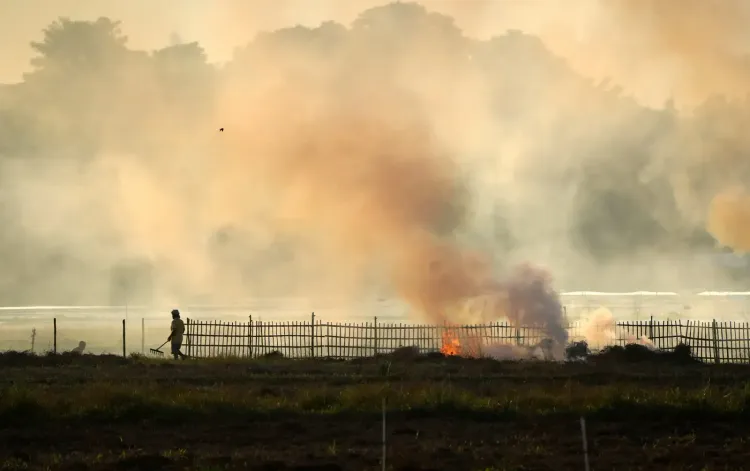
Synopsis
Punjab's stubble-burning tally has already exceeded the entire 2025 season — 6,718 incidents against last year's 5,114 — and the CAQM has responded by targeting not just farmers but the district-level officials who failed to stop the fires. With show-cause notices served on 12 Deputy Commissioners and SSPs, the question is whether bureaucratic accountability can achieve what fines and FIRs have not.
Key Takeaways
The PPCB has recorded 6,718 stubble-burning incidents in Punjab as of 18 November 2026 — 1,604 more than the 5,114 total for the entire 2025 season.
Environmental Compensation of ₹1,18,10,000 has been levied; only ₹42,10,000 recovered so far.
2,033 FIRs registered and 'red entries' made in 2,149 revenue records statewide.
The CAQM has issued show-cause notices to 12 officials — Deputy Commissioners and SSPs — across Sangrur, Patiala, Ludhiana, Moga, Sri Muktsar Sahib and Mansa .
Officials must respond by 5 pm on 23 November ; prosecution under Section 14 of the CAQM Act, 2021 is possible if explanations are found inadequate.
Prosecution proceedings under Section 14 have already been initiated against 41 officials statewide.
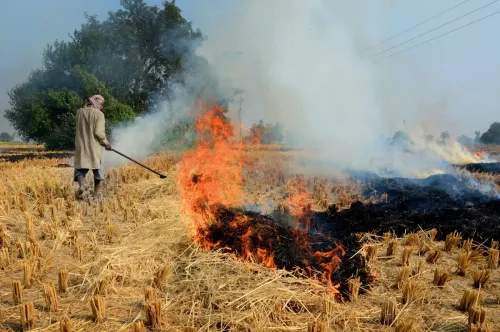
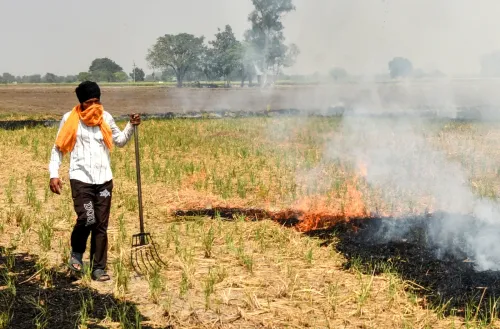
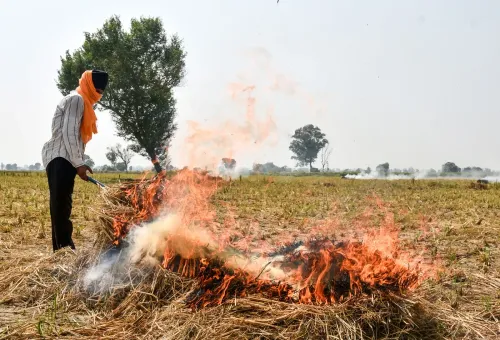
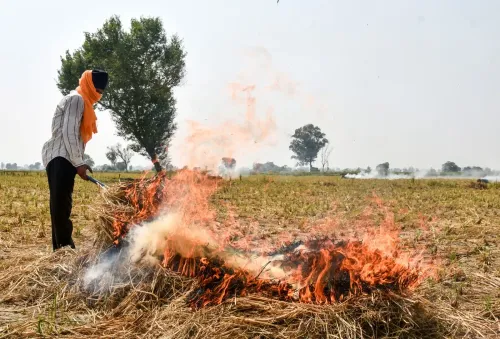
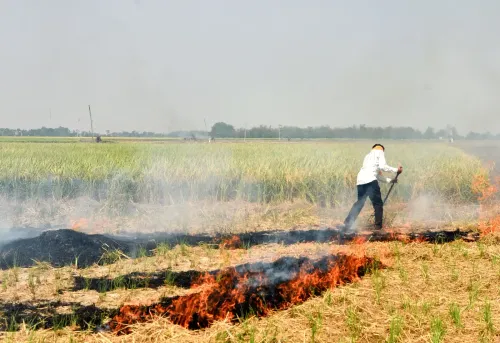
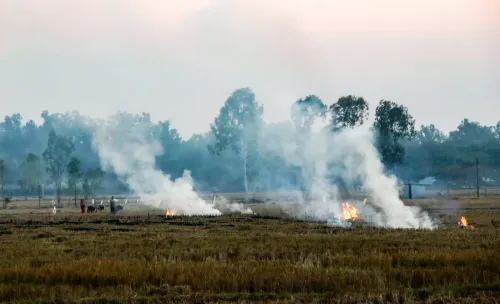
Punjab's stubble-burning crisis has deepened significantly this season, with the Punjab Pollution Control Board (PPCB) recording 6,718 farm-fire incidents across the state as of 18 November 2026 — already 1,604 more than the 5,114 incidents logged during the entire 2025 season. The surge has prompted the Commission for Air Quality Management (CAQM) to issue show-cause notices to 12 senior officials in six Punjab districts for allegedly failing to prevent the fires.
Scale of the Crisis This Season
Of the 6,718 recorded incidents, authorities physically inspected 6,244 fields and confirmed the presence of fire in 2,664 cases. Environmental Compensation (EC) was imposed in 2,361 instances, with the total penalty levied standing at ₹1,18,10,000. Of that amount, only ₹42,10,000 has been recovered so far, according to the PPCB report.
Enforcement action has extended beyond farmers. Authorities have registered 2,033 First Information Reports (FIRs) across Punjab and recorded 'red entries' in revenue records in 2,149 cases — an administrative measure designed to discourage repeat violations by affecting landowners' official land records.
Officials in the Crosshairs
A total of 1,958 warning and show-cause notices have been issued to nodal and supervisory officers tasked with monitoring and preventing farm fires. Beyond warnings, prosecution proceedings under Section 14 of the CAQM Act have been initiated against 41 officials statewide.
The CAQM has separately served show-cause notices to the Deputy Commissioners and Senior Superintendents of Police of Sangrur, Patiala, Ludhiana, Moga, Sri Muktsar Sahib, and Mansa — six districts where enforcement has reportedly been inadequate. All 12 officials have been directed to submit their responses by 5 pm on 23 November. The Commission has asked them to explain why action should not be initiated against them under Section 14 of the CAQM Act, 2021.
District Focus: Patiala
Among the districts cited, Patiala has recorded 434 stubble-burning incidents this season. Authorities inspected 401 fields, physically confirming fires in 251 cases. Environmental Compensation was imposed in 203 cases, with penalties totalling ₹10,15,000, of which ₹3,35,000 has been recovered. The district has registered 233 FIRs and made 'red entries' in 157 revenue records. Notably, no prosecution proceedings under Section 14 of the CAQM Act have been initiated against nodal or supervisory officers in Patiala, even as 689 warning and show-cause notices were issued to local officials.
Why This Matters: Air Quality and Accountability
Stubble burning is a primary driver of the severe air pollution that blankets north India — particularly Delhi and the National Capital Region — every October and November. Despite years of bans, compensation schemes for farmers, and threats of official action, the practice has persisted. This season's data, showing a year-on-year rise of more than 31% in incidents, suggests that existing deterrents have not been effective enough.
The CAQM's decision to target district-level administrative and police chiefs — rather than only farmers — marks an escalation in accountability. The 23 November deadline for official responses will be closely watched. Depending on those explanations, formal prosecution proceedings could follow, setting a precedent for bureaucratic accountability in environmental enforcement.
Point of View
Compensation schemes, and periodic crackdowns without breaking the behaviour. The CAQM's shift toward holding district bureaucrats and police chiefs personally accountable is a significant escalation — but it also exposes a structural contradiction: these same officials operate under political pressure from farming communities whose votes matter. Unless the Centre and the Punjab government back up CAQM's notices with actual prosecutions, the 23 November deadline risks being yet another paper threat. The real test is not whether officials respond — they will — but whether any are actually prosecuted under Section 14.
NationPress
19 Nov 2026
Frequently Asked Questions
How many stubble-burning cases have been recorded in Punjab this season?
The Punjab Pollution Control Board has recorded 6,718 farm-fire incidents as of 18 November 2026 — surpassing the entire 2025 season tally of 5,114 by 1,604 cases. Authorities physically confirmed fires in 2,664 of those cases after field inspections.
Why has the CAQM issued notices to Punjab officials?
The Commission for Air Quality Management issued show-cause notices to 12 officials — Deputy Commissioners and Senior Superintendents of Police — across six Punjab districts for allegedly failing to effectively prevent stubble burning. The officials must respond by 5 pm on 23 November or face prosecution under Section 14 of the CAQM Act, 2021.
Which districts are covered by the CAQM notices?
The six districts named in the CAQM notices are Sangrur, Patiala, Ludhiana, Moga, Sri Muktsar Sahib, and Mansa. The Deputy Commissioner and Senior Superintendent of Police of each district — 12 officials in total — have been asked to explain their enforcement lapses.
What penalties have been imposed on farmers for stubble burning?
Environmental Compensation has been levied in 2,361 cases, with total penalties amounting to ₹1,18,10,000 statewide. Of this, ₹42,10,000 has been recovered so far. Additionally, 2,033 FIRs have been registered and 'red entries' made in revenue records for 2,149 landowners.
What is Section 14 of the CAQM Act and why does it matter here?
Section 14 of the Commission for Air Quality Management Act, 2021 empowers the CAQM to initiate prosecution proceedings against officials who fail to implement its directions on air quality. Its use against district-level administrators and police officers — rather than just farmers — represents a significant escalation in accountability for stubble-burning enforcement.