Punjab PPCB Chief Meets Sangrur Farmers to Halt Stubble Burning
Synopsis
Punjab PPCB Chairperson Reena Gupta visited village Sheron, Sangrur, on 21 October 2026 to engage farmers on paddy straw challenges and secure a commitment to zero stubble burning, with in-situ and ex-situ CRM machinery and village-level nodal officers made available.
Key Takeaways
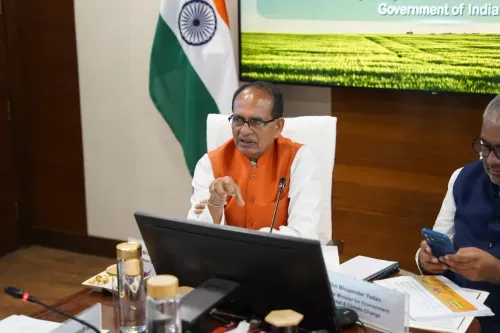
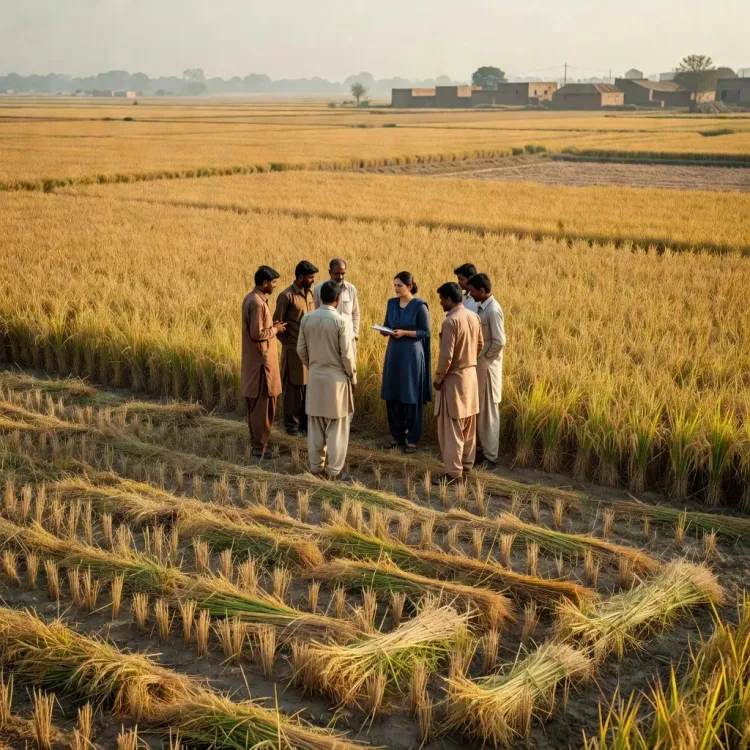
Reena Gupta , Chairperson of the Punjab Pollution Control Board , visited village Sheron, Tehsil Sunam, District Sangrur on 21 October 2026 .
Farmers of village Sheron formally assured the Chairperson and district administration that no paddy straw would be burnt this harvesting season.
The Agriculture Department confirmed availability of both in-situ and ex-situ crop residue management machinery for farmers.
Cluster officers and nodal officers have been designated at the village level to help farmers access CRM machinery promptly.
The initiative is part of the central Crop Residue Management scheme (2018) , which subsidises anti-stubble-burning machinery across Punjab.
Satellite-based fire-count monitoring will track outcomes across Punjab's paddy belt through the remainder of the harvesting season.
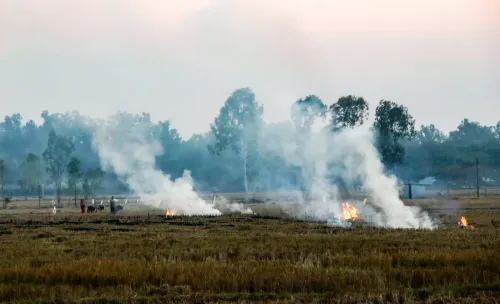
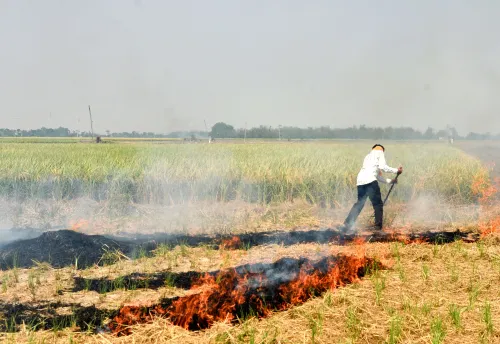
Every October, a familiar haze settles over the Indo-Gangetic plain — and this year, Punjab is pushing harder than ever to stop it at the source. On Wednesday, 21 October 2026, the Chief Minister's Office of Punjab announced that Reena Gupta, Chairperson of the Punjab Pollution Control Board (PPCB), visited village Sheron, Tehsil Sunam, District Sangrur, to meet paddy farmers directly and appeal for a complete halt to paddy straw burning during the ongoing harvesting season.
What Reena Gupta Heard in Sheron — and What She Asked For
The visit was not a directive from above — it was a conversation. Gupta sat with farmers to understand the real-world challenges they face in managing paddy straw after harvest, before urging them to commit to zero burning this season. The message from the state was unambiguous: scientific residue management, not fire, is the only acceptable path forward.
Officers from the Agriculture Department, Punjab briefed the gathering on the machinery available to them — both in-situ options (such as happy seeders that mulch straw back into the soil) and ex-situ options (such as balers that collect straw for use elsewhere). Critically, the department confirmed that cluster officers and nodal officers have been specifically designated in the village to help farmers access and operate Crop Residue Management (CRM) machinery without bureaucratic delay. By the end of the meeting, farmers of village Sheron had given their assurance: no paddy straw would be burnt in their village this season.
The Policy Engine Behind the Outreach
This ground-level engagement is part of a broader, multi-agency push. The Punjab Government and PPCB are coordinating with the Agriculture Department and district administrations across the state to scale up residue management. The architecture traces back to the central Crop Residue Management scheme launched in 2018, which has channelled subsidies for happy seeders, balers, and other machinery to Punjab farmers specifically to break the stubble-burning cycle.
Stubble burning in Punjab is not a local nuisance — it is a regional air-quality emergency. Every October and November, farm fires on the Indo-Gangetic plain drive dangerous spikes in particulate matter across northern India. Satellite-based fire-count monitoring by state and central pollution boards tracks every ignition in near real time, meaning accountability for this season's outcomes will be measurable and public.
Why a Village Visit Matters More Than a Circular
The choice to send the PPCB Chairperson personally to a single village in Sangrur signals something deliberate: enforcement alone has not solved this problem. Farmers cite economics and logistics — straw is voluminous, machinery windows are tight, and the harvest-to-sowing turnaround leaves little time. The designation of village-level nodal officers is a direct response to that bottleneck, putting help within walking distance rather than a phone queue away.
The assurance given by Sheron's farmers is a small but concrete pledge — and a template the administration clearly hopes to replicate across Punjab's paddy belt as harvest pressure peaks.
Point of View
Acknowledging that regulatory pressure alone has repeatedly failed to extinguish the annual stubble-burning crisis. Securing a public no-burn pledge from a named village creates a micro-accountability unit that satellite fire-count data can directly verify. If the model scales, it could offer a replicable template for other paddy-heavy districts in Punjab. The deeper policy question, however, remains: whether short-harvest-window economics can be sustainably solved by machinery access alone, or whether farmer income support for straw disposal needs to be embedded more deeply in the scheme architecture.
NationPress
21 Oct 2026
Frequently Asked Questions
Why does Punjab have a stubble burning problem every year?
After paddy harvest, farmers face a narrow window before the next crop must be sown, making it faster and cheaper to burn straw in the field than to manage it. This creates annual spikes in air pollution across northern India during October and November.
What is in-situ and ex-situ crop residue management?
In-situ management involves incorporating straw back into the soil using machinery like happy seeders, while ex-situ management involves collecting straw with balers for use as fuel, fodder, or industrial raw material elsewhere.
What did PPCB Chairperson Reena Gupta do in village Sheron?
She visited village Sheron in Tehsil Sunam, District Sangrur, to listen to farmers' challenges with paddy straw management and appeal for a complete halt to burning, after which farmers pledged zero burning for this season.
What machinery is available to Punjab farmers for paddy straw management?
The Punjab Agriculture Department has made both in-situ machinery (such as happy seeders) and ex-situ machinery (such as balers) available under the central Crop Residue Management scheme, with subsidies in place since 2018.
Who are the nodal officers designated in Punjab villages for stubble management?
The Agriculture Department has designated cluster officers and nodal officers at the village level specifically to help farmers access and operate Crop Residue Management machinery quickly during the harvesting season.