Punjab sacrilege law targets strictest punishment, not Sikh institutions: AAP MP

Synopsis
Punjab's AAP government is walking a careful line — enacting one of India's strictest sacrilege laws while publicly assuring Sikh institutions it will not overreach. With Akal Takht-suggested amendments already accepted and procedural safeguards for sevadars built in, the law's final shape will test whether the government can satisfy both legal accountability and religious sensitivities.
Key Takeaways
AAP MP Malvinder Singh Kang clarified on 30 July that Punjab's sacrilege law is aimed solely at punishing deliberate acts of sacrilege, not interfering in Sikh religious affairs.
The Punjab Legislative Assembly passed the sacrilege Bill unanimously.
Jathedar of Akal Takht Giani Kuldeep Singh Gargaj proposed amendments, which the state government accepted; a revised draft has been submitted.
The law will be amended to explicitly include revered terms for Guru Granth Sahib — Bir and Saroop — in accordance with Sikh tradition.
Custodians and sevadars will not face automatic guilt presumption; penal provisions do not apply in cases of unintentional mistakes or absence of criminal intent.
No custodian can be arrested immediately after a complaint is filed.
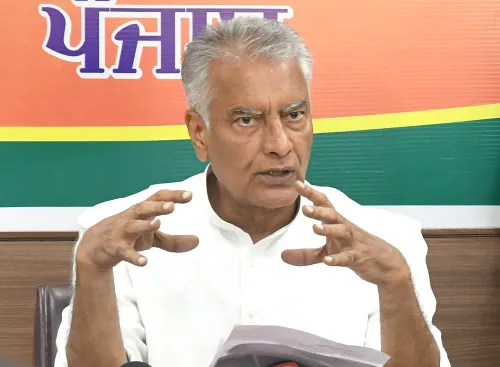
Aam Aadmi Party (AAP) Member of Parliament Malvinder Singh Kang on Thursday, 30 July clarified that the Punjab government's sacrilege law is designed exclusively to ensure the harshest legal penalties for deliberate acts of sacrilege — and carries no intent to interfere in Sikh religious affairs or encroach upon the rights of religious institutions.
Why the law was enacted
Speaking to reporters in Chandigarh, Kang said the legislation was introduced in direct response to a long-standing demand from the Sikh community for a robust legal framework to prevent recurring incidents of sacrilege and close loopholes that have historically allowed perpetrators to evade accountability. The Bill was passed unanimously by the Punjab Legislative Assembly.
Akal Takht's amendments accepted
Following the Bill's passage, the Jathedar of Akal Takht, Giani Kuldeep Singh Gargaj, proposed certain amendments. The state government accepted these suggestions and has already submitted a revised draft incorporating the proposed changes. The amendments are expected to be tabled before the Assembly in the upcoming session.
Key clarifications on terminology and scope
Kang addressed concerns over the Bill's language, confirming that the legislation will be amended to explicitly include the revered terms used for Guru Granth Sahib — including Bir and Saroop — in line with Sikh traditions. He also clarified the definition of 'custodian', stating it refers not to ownership but to a sevadar or caretaker entrusted with the service and protection of the holy Saroop. The term covers any individual, institution, dera, or gurdwara committee responsible for the care of Guru Granth Sahib.
Safeguards against misuse
Kang was emphatic that custodians and sevadars will not face automatic presumption of guilt following an incident. 'If an incident takes place due to an unintentional mistake, technical lapse, or without any criminal intent, the penal provisions of the Act will not apply,' he stated. He further clarified that no custodian can be arrested immediately upon the filing of a complaint, providing a procedural safeguard against misuse of the law.
Government's stated position
The AAP MP reiterated that the government 'deeply respects Sri Akal Takht Sahib and all Sikh religious institutions,' adding that the law's 'sole purpose is to ensure that anyone who intentionally commits sacrilege faces the strictest legal punishment.' The clarifications come amid broader scrutiny of the legislation's potential impact on religious bodies and individual sevadars across Punjab.
Point of View
How robust was the original drafting? The safeguards for sevadars are necessary, but their vagueness — 'unintentional mistake' and 'technical lapse' are undefined — could become the very loopholes the law was meant to close. Punjab has seen repeated sacrilege incidents since 2015 with few convictions; the real test of this legislation is not its passage but its enforcement architecture.
NationPress
14 Sept 2026
Frequently Asked Questions
What is Punjab's sacrilege law about?
Punjab's sacrilege law is designed to ensure the strictest legal punishment for anyone who deliberately commits an act of sacrilege, particularly against Guru Granth Sahib. The Bill was passed unanimously by the Punjab Legislative Assembly in response to long-standing demands from the Sikh community for stronger legal deterrents.
What amendments did Akal Takht suggest to the sacrilege Bill?
The Jathedar of Akal Takht, Giani Kuldeep Singh Gargaj, proposed amendments after the Bill's passage. The Punjab government accepted these in full and submitted a revised draft; the amendments are expected to be placed before the Assembly in its upcoming session. Specific changes include explicitly naming the revered terms Bir and Saroop for Guru Granth Sahib in the legislation.
Who is considered a 'custodian' under the sacrilege law?
Under the law, a custodian refers to a sevadar or caretaker entrusted with the service and protection of the holy Saroop — not an owner. The term covers any individual, institution, dera, or gurdwara committee responsible for the care of Guru Granth Sahib.
Can a custodian or sevadar be automatically arrested under this law?
No. AAP MP Malvinder Singh Kang clarified that no custodian can be arrested immediately after a complaint is filed. Additionally, penal provisions will not apply if an incident occurred due to an unintentional mistake, technical lapse, or without criminal intent.
Does the Punjab sacrilege law interfere in Sikh religious affairs?
The AAP government says it does not. Kang stated that the government's objective has never been to interfere in Sikh religious affairs or the rights of religious institutions, and that the law's sole purpose is to ensure deliberate acts of sacrilege are met with the strictest legal punishment.