Puri credits Modi govt for shielding India from 2022 oil crisis
Synopsis
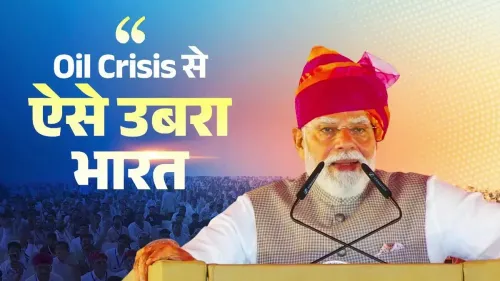
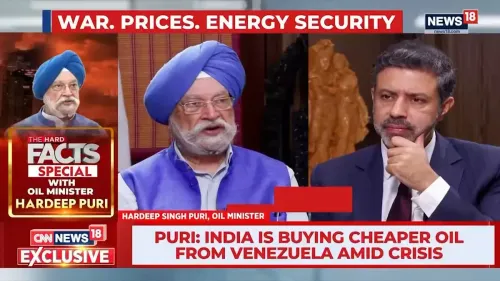
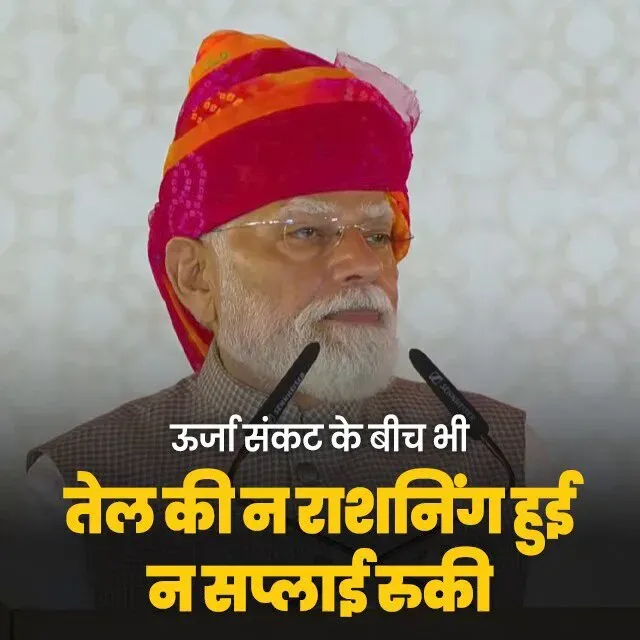
Union Petroleum Minister Hardeep Singh Puri has credited PM Modi's leadership for ensuring no fuel disruption in India during the 2022 global energy crisis, saying oil companies absorbed roughly ₹75,000 crore in extra costs between April and June so consumers were insulated from the price shock.
Key Takeaways
Union Petroleum Minister Hardeep Singh Puri posted on 4 July 2026 crediting PM Narendra Modi's leadership for India's fuel supply stability during the 2022 global energy crisis.
Global crude prices surged from approximately $70 to $120 per barrel following the Russia-Ukraine war , pushing retail fuel prices up by 40–50 per cent in several countries.
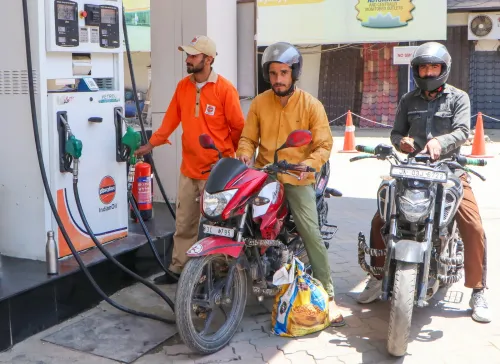
India avoided rationing and long queues at fuel stations that were seen in multiple other nations during the same period.
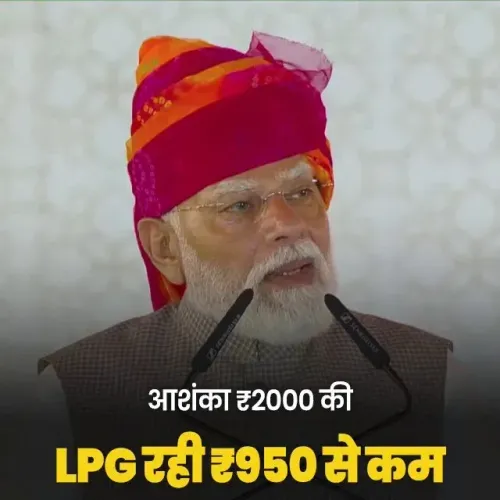
State-owned oil marketing companies — IOCL, BPCL and HPCL — absorbed an additional burden of approximately ₹75,000 crore between April and June , later compensated by the government.
The Union government cut excise duty on petrol by ₹8 per litre and on diesel by ₹6 per litre in May 2022 , and sharply increased purchases of discounted Russian crude to manage supply costs.
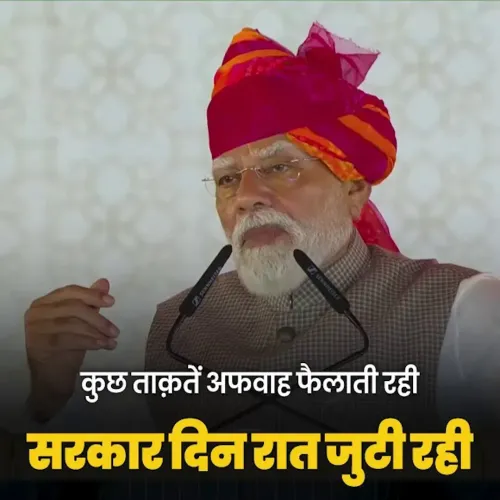
Puri dismissed domestic political criticism of the government's fuel pricing strategy during the crisis as rumour-spreading that 'proved futile.'
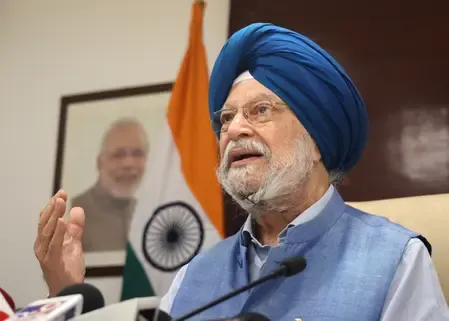
Union Petroleum Minister Hardeep Singh Puri on Saturday, 4 July 2026, credited Prime Minister Narendra Modi's leadership for ensuring uninterrupted fuel supply across India during the global energy crisis triggered by the Russia-Ukraine war, stating that oil marketing companies absorbed an additional burden of approximately ₹75,000 crore between April and June to shield ordinary citizens from the price shock.
Context
Puri's post, written in Hindi, opens with a pointed observation: 'संकट की घड़ी में नेतृत्व की असली पहचान होती है' ('True leadership is recognised in times of crisis'). He recalled that as war disrupted global energy markets, crude oil prices surged from around $70 per barrel to $120 per barrel, forcing several countries to raise retail fuel prices by 40–50 per cent, impose rationing, or witness long queues at petrol stations. India, he argued, experienced none of these disruptions.
The minister also acknowledged that attempts were made to spread fear and rumours, and that 'political games were played' — a reference to domestic criticism of the government's fuel pricing policy during the crisis period — but said these efforts 'proved futile' against India's energy management.
Policy Backdrop
The global price spike followed Russia's invasion of Ukraine in February 2022, which sent Brent crude to multi-year highs and strained fuel budgets from Europe to South Asia. The Union government responded on multiple fronts: in May 2022, it cut central excise duty on petrol by ₹8 per litre and on diesel by ₹6 per litre, one of the largest single-step duty reductions in recent years.
Simultaneously, India significantly expanded purchases of discounted Russian crude, diversifying its import basket away from costlier Middle Eastern and North Sea grades. State-owned oil marketing companies (OMCs) — principally Indian Oil Corporation (IOCL), Bharat Petroleum (BPCL), and Hindustan Petroleum (HPCL) — temporarily absorbed under-recoveries on petrol and diesel sales before the government stepped in to compensate them, preventing retail price hikes from fully reflecting the international surge.
Stakeholders and Impact
For Indian fuel consumers — particularly low- and middle-income households dependent on two-wheelers and public transport — the policy translated into price stability at the pump even as peers in Europe, Sri Lanka, and parts of Southeast Asia faced acute shortages or steep price increases. Puri's post frames the ₹75,000 crore absorption as a deliberate policy choice: the state bore the cost so citizens did not have to.
For the OMCs, the episode underscored both their strategic role as instruments of public welfare and the financial risks that role carries. Their balance sheets came under pressure during the crisis, making the subsequent government compensation and excise adjustments critical to their financial health.
What's Next
Puri's post arrives as global energy markets remain volatile, with ongoing geopolitical uncertainty continuing to influence crude benchmarks. Analysts will watch whether the Union Budget brings further rationalisation of central fuel taxes, and whether India accelerates the expansion of its strategic petroleum reserves — currently operational at Mangalore and Padur, with a facility at Chandikhol in the pipeline — to strengthen the buffer against future supply shocks. The minister's framing of the 2022 response as a governance success also signals that energy security will remain a centrepiece of the BJP's political messaging ahead of future electoral cycles.
Point of View
Anchoring the government's energy record in the most dramatic external shock of the decade. By invoking the ₹75,000 crore absorption figure and contrasting India's stability with rationing abroad, he builds a 'competent stewardship' narrative that the BJP can deploy against opposition charges of high fuel taxes. The emphasis on PM Modi's 'visionary leadership' rather than institutional or market mechanisms also reinforces the party's personalised governance brand. Coming at a time when global crude markets remain unsettled, the post doubles as a pre-emptive defence of the government's pricing approach should another shock materialise.
NationPress
4 Jul 2026
Frequently Asked Questions
Why did India not face fuel shortages during the 2022 Russia-Ukraine war?
India avoided shortages through a combination of excise duty cuts, sharply increased purchases of discounted Russian crude, and state-owned oil firms temporarily absorbing under-recoveries before government compensation — measures Petroleum Minister Hardeep Singh Puri highlighted in a recent post.
How much did India's oil companies absorb during the 2022 energy crisis?
According to Petroleum Minister Hardeep Singh Puri, oil marketing companies absorbed an additional burden of approximately ₹75,000 crore between April and June during the global price spike, costs the government subsequently took on to protect consumers.
What did the Modi government do to control petrol and diesel prices in 2022?
The Union government cut central excise duty on petrol by ₹8 per litre and on diesel by ₹6 per litre in May 2022, and directed state-owned oil firms to hold retail prices steady while diversifying crude imports toward cheaper Russian grades.
How much did global crude oil prices rise during the Russia-Ukraine war?
Crude oil prices surged from around $70 per barrel to approximately $120 per barrel following Russia's invasion of Ukraine in February 2022, causing fuel price increases of 40–50 per cent in several countries.
What are India's strategic petroleum reserves and where are they located?
India maintains strategic petroleum reserves — underground caverns storing crude oil as a buffer against supply disruptions — currently operational at Mangalore and Padur in Karnataka, with a third facility planned at Chandikhol in Odisha.