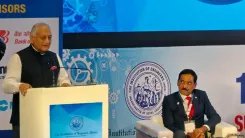
Puri marks 12 years of Modi govt, cites welfare milestones
Synopsis
Petroleum Minister Hardeep Singh Puri marked the 12th anniversary of PM Modi's swearing-in on 26 May 2026, highlighting LPG access, rural water supply, financial inclusion and health insurance as evidence of inclusive development under the Viksit Bharat and Amrit Kaal frameworks.
Key Takeaways
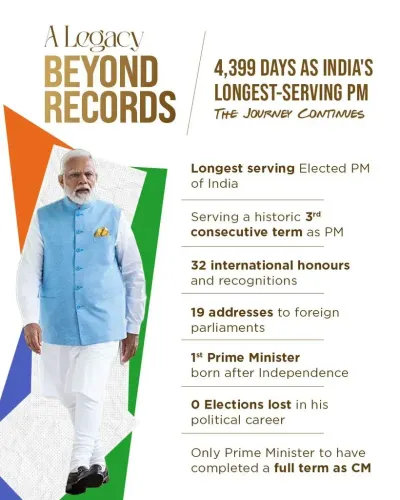
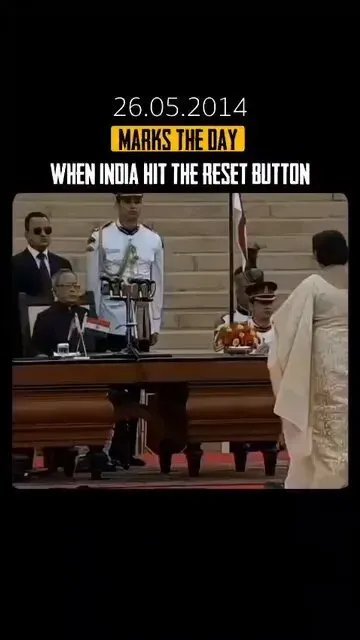
Narendra Modi completed 12 years as Prime Minister on 26 May 2026 , having first taken office on 26 May 2014 .
Minister Hardeep Singh Puri cited clean-cooking fuel access ( Ujjwala Yojana ), piped water ( Jal Jeevan Mission ), bank accounts ( Jan Dhan Yojana ), and health cover ( Ayushman Bharat ) as key milestones.
Ayushman Bharat provides annual health insurance of up to Rs 5 lakh to economically vulnerable families.
The Amrit Kaal framework charts India's development trajectory from 2022 to 2047 , targeting developed-economy status by the centenary of independence.
Puri framed the Viksit Bharat goal as being fundamentally about 'dignity, opportunity, and hope' for ordinary citizens, not merely macroeconomic targets.
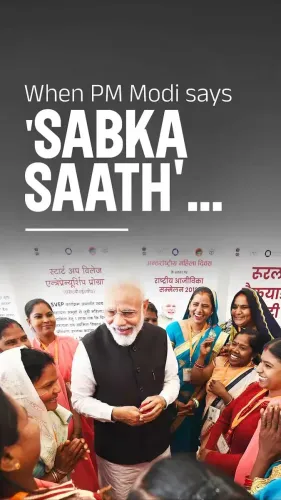
Union Petroleum Minister Hardeep Singh Puri on Tuesday, 26 May 2026 marked the 12th anniversary of Prime Minister Narendra Modi's swearing-in, crediting the government's welfare agenda with delivering tangible gains to millions of poor and rural Indians under the guiding mantra of 'Sabka Saath, Sabka Vikas, Sabka Vishwas, Sabka Prayas' ('Together with all, development for all, trust of all, effort of all').
Context
Narendra Modi was sworn in as Prime Minister on 26 May 2014, beginning what Puri described as an 'epochal journey as the Pradhan Sevak of India' — a term meaning 'chief servant,' which Modi has used to describe his own role. Puri's post, shared under the hashtags #12YearsOfModiGovernment, #ViksitBharat, and #AmritKaal, frames the past decade-plus as a structural shift from a period when 'development was a distant promise' for millions.
The minister drew a direct line between flagship welfare programmes and the lived experience of ordinary citizens, writing: 'Mothers and sisters cook in smokeless kitchens, villagers receive water at home, workers have a bank account, families get free healthcare, and youth dream beyond survival.'
Policy Backdrop
The welfare milestones Puri alludes to map onto a series of centrally sponsored schemes. The Pradhan Mantri Ujjwala Yojana, launched in 2016, extended LPG cooking-gas connections to below-poverty-line households, targeting the shift away from biomass fuels that cause indoor air pollution. The Jal Jeevan Mission, announced in 2019, set out to provide piped drinking water to every rural household in the country.
Financial inclusion received early attention through the Pradhan Mantri Jan Dhan Yojana, launched in August 2014, which opened bank accounts for previously unbanked citizens. Healthcare access was broadened through Ayushman Bharat from 2018, offering annual health cover of up to Rs 5 lakh to economically vulnerable families.
These schemes collectively form the operational scaffolding of the government's inclusive-growth narrative, which Puri characterised as a journey 'from darkness to electricity, from exclusion to digital empowerment, from helplessness to aspiration.'
Stakeholders and Impact
The primary beneficiaries of the programmes cited — rural households, women, low-income workers, and young Indians — are also the constituencies most frequently invoked in the government's political communication around the Viksit Bharat vision. Puri explicitly linked individual dignity to the national development goal, writing that the dream of a developed India 'is about giving dignity, opportunity, and hope to every ordinary citizen.'
Senior ministers across portfolios have consistently used anniversary milestones to reinforce the government's welfare delivery record, and Puri's post follows that pattern. As a former career diplomat and senior BJP leader, Puri has been a prominent voice articulating the government's energy and social-access agenda, particularly the clean-cooking fuel push that falls within his ministerial remit.
What's Next
The Amrit Kaal framework — the government's 25-year roadmap from 2022 to 2047, the centenary of Indian independence — provides the long-horizon context for these anniversary reflections. The next Union Budget and Economic Survey will be closely watched for updated coverage figures and fresh funding allocations under the schemes referenced. State-level implementation reports on household water and LPG connections will indicate how close the government is to its universal-access targets as 2047 approaches.
Point of View
The BJP is building a cumulative narrative of delivery ahead of the Viksit Bharat 2047 deadline, which now serves as the party's long-term electoral and governance contract with voters. The framing of external challenges as 'opportunities' is a recurring rhetorical device that insulates the government's record from criticism tied to global disruptions. For Puri specifically, invoking the clean-cooking and energy-access agenda aligns his ministerial portfolio directly with the inclusive-development story the party wants told.
NationPress
20 Sept 2026
Frequently Asked Questions
When did Narendra Modi first become Prime Minister of India?
Narendra Modi was first sworn in as Prime Minister of India on 26 May 2014 , marking the start of the BJP-led NDA government's first term.
What is Viksit Bharat and what is its target year?
Viksit Bharat is India's national vision to become a fully developed economy by 2047 , the centenary of independence, encompassing goals around infrastructure, welfare and economic growth.
What is the Pradhan Mantri Ujjwala Yojana?
Pradhan Mantri Ujjwala Yojana , launched in 2016 , provides free or subsidised LPG cooking-gas connections to below-poverty-line households, aiming to replace biomass fuels and reduce indoor air pollution.
What is Amrit Kaal in Indian policy?
Amrit Kaal refers to the 25-year period from India's 75th Independence Day in 2022 to the centenary in 2047 , during which the government aims to achieve accelerated and inclusive development.
What does Ayushman Bharat offer to beneficiaries?
Ayushman Bharat , launched in 2018 , offers annual health insurance coverage of up to Rs 5 lakh per family to economically vulnerable households for secondary and tertiary hospitalisation.