Puri hails 12 years of Modi govt welfare schemes
Synopsis
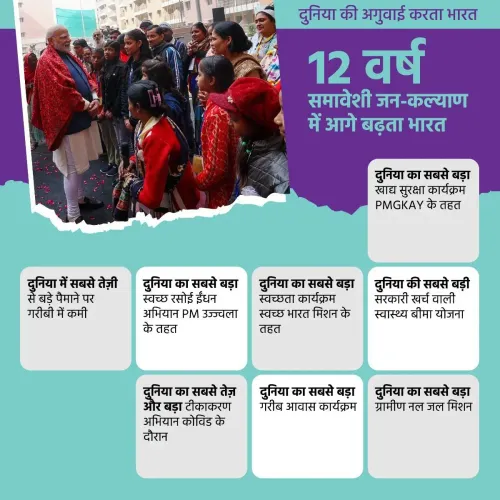
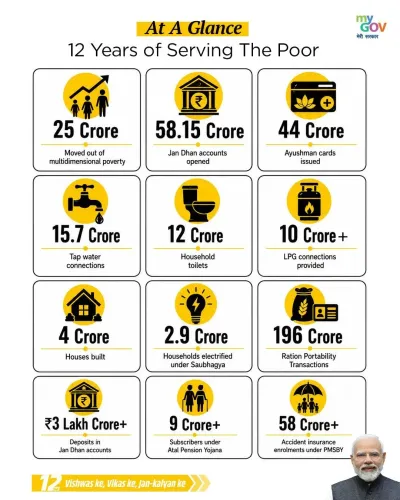
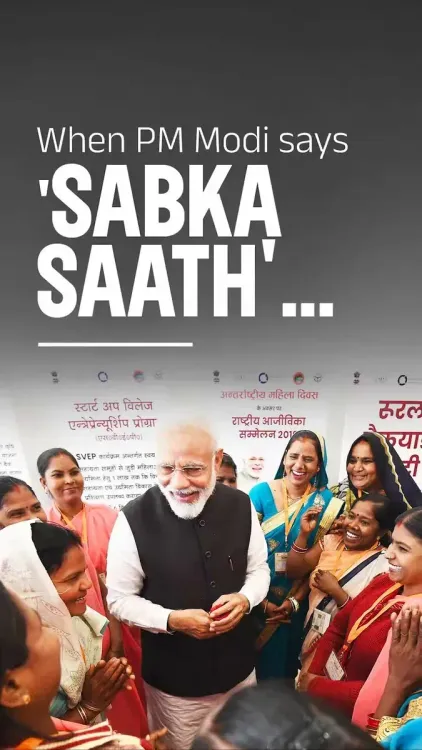
Union Petroleum Minister Hardeep Singh Puri on June 8, 2026 marked 12 years of the Modi government's Garib Kalyan agenda, highlighting five flagship welfare schemes — Ujjwala, Jal Jeevan Mission, PM Awas, Ayushman Bharat and Jan Dhan — as instruments of dignity and inclusion for crores of poor families.
Key Takeaways
Hardeep Singh Puri posted on June 8, 2026 to mark 12 years of Garib Kalyan under PM Modi.
Five schemes were highlighted: Pradhan Mantri Ujjwala Yojana, Jal Jeevan Mission, PM Awas Yojana, Ayushman Bharat, and Jan Dhan Yojana.
Pradhan Mantri Jan Dhan Yojana was launched in August 2014 as the government's first major financial-inclusion drive.
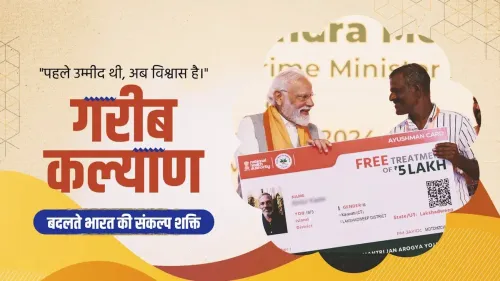
Ayushman Bharat provides up to Rs 5 lakh annual health coverage per eligible family for hospitalisation.
The post is part of a coordinated #12YearsOfGaribKalyan campaign by the ruling BJP .
Future Union Budget allocations and independent audits will test the durability of these welfare commitments.
Union Petroleum Minister Hardeep Singh Puri on Monday, June 8, 2026, took to X to mark what the ruling BJP is calling 12 years of Garib Kalyan — crediting a cluster of flagship central welfare programmes under Prime Minister Narendra Modi with transforming the lives of crores of poor and marginalised families across India.
Context
Puri's post, written in Hindi, lists five major central schemes and frames them as milestones in a twelve-year journey of welfare delivery. Translated, his opening lines read: 'Ujjwala Yojana ne naari shakti ko dhuein se mukti dilaai' ('The Ujjwala Yojana freed women from smoke'); the Jal Jeevan Mission brought 'the lifeline to every home'; PM Awas Yojana gave 'lakhs of families a pucca house'; Ayushman Bharat provided 'a shield of health security'; and Jan Dhan Yojana 'opened the doors of banking services.'
He concluded with an expression of gratitude to the Prime Minister, writing that these schemes have written 'a new story of dignity, security and self-confidence' in the lives of crores of deprived poor families, and that 'their dreams have found new wings.' The post carried the hashtag #12YearsOfGaribKalyan.
Policy Backdrop
The five schemes Puri highlights span the breadth of the Modi government's social-infrastructure agenda. Pradhan Mantri Jan Dhan Yojana, launched in August 2014, was the first major push for financial inclusion, extending zero-balance bank accounts to unbanked households. Pradhan Mantri Ujjwala Yojana, introduced in May 2016, provided free LPG connections to women from below-poverty-line households, replacing traditional biomass cooking fuels that cause serious indoor air pollution.
Pradhan Mantri Awas Yojana, launched in 2015, targets the construction of pucca houses for eligible urban and rural families under a 'Housing for All' mission. Ayushman Bharat Pradhan Mantri Jan Arogya Yojana, rolled out in September 2018, offers up to Rs 5 lakh annual health coverage per eligible family for secondary and tertiary hospitalisation. Jal Jeevan Mission, announced in the 2019-20 Union Budget, aimed to deliver piped tap water to every rural household.
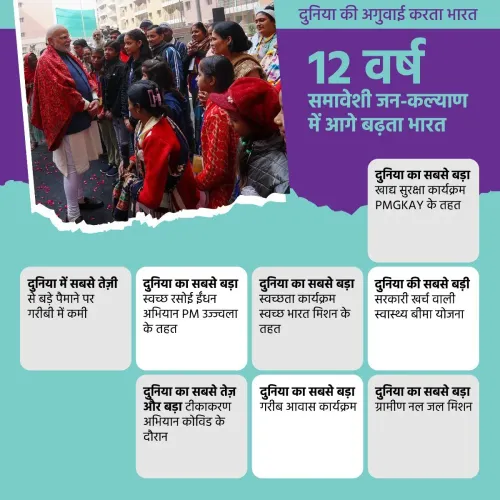
Together, these programmes form the core of what the government brands as 'Garib Kalyan' — welfare for the poor — and are positioned as building blocks of the broader 'Viksit Bharat' (Developed India) vision. Delivery has largely relied on Aadhaar-linked direct benefit transfers, intended to reduce leakage and ensure last-mile reach.
Stakeholders and Impact
The primary beneficiaries of these schemes are below-poverty-line households, rural women, and families previously excluded from formal banking, healthcare, and housing infrastructure. Puri's post frames the twelve-year arc not merely as a list of programmes but as a 'journey of those homes where facilities reached for the first time' and 'those families who felt for the first time that the government had come to their doorstep.'
As a senior BJP leader and Union Petroleum Minister — the ministry that administers Ujjwala Yojana through oil marketing companies — Puri has a direct stake in one of the five schemes he cites. His post reflects a coordinated party-government communication effort around the anniversary milestone.
What's Next
The #12YearsOfGaribKalyan campaign signals that the ruling party intends to consolidate its welfare-delivery narrative ahead of the next electoral cycle. Independent audits and parliamentary oversight, including any forthcoming Comptroller and Auditor General reports on implementation gaps, will be closely watched to assess on-ground outcomes against the government's stated achievements. Allocations for scheme continuation in the next Union Budget will be a key indicator of the government's commitment to sustaining these programmes.
Point of View
Emotionally resonant narrative of state reach and social dignity. As the minister who directly oversees Ujjwala Yojana, his endorsement carries institutional weight beyond routine party communication. The twelve-year framing is deliberate: it pre-empts opposition criticism by anchoring welfare delivery to a long arc rather than a single term. With the next electoral cycle approaching, the Viksit Bharat overlay signals that the government intends to convert welfare legacy into forward-looking political capital.
NationPress
16 Sept 2026
Frequently Asked Questions
What is the 12 Years of Garib Kalyan campaign?
'12 Years of Garib Kalyan' is a BJP-led campaign marking over a decade of the Modi government's welfare programmes since 2014, spotlighting schemes such as Ujjwala Yojana, Jal Jeevan Mission, PM Awas Yojana, Ayushman Bharat and Jan Dhan Yojana as instruments of poverty alleviation and social inclusion.
What did Hardeep Singh Puri say about Modi government welfare schemes?
Puri credited five flagship central schemes with delivering dignity, security and self-confidence to crores of poor families, calling the twelve-year journey a 'story written in homes where facilities reached for the first time' and expressing gratitude to PM Modi.
What is Pradhan Mantri Ujjwala Yojana and who does it benefit?
Pradhan Mantri Ujjwala Yojana, launched in May 2016, provides free LPG connections to women from below-poverty-line households, replacing biomass and solid-fuel cooking that causes indoor air pollution and serious health risks.
How much health coverage does Ayushman Bharat provide?
Ayushman Bharat Pradhan Mantri Jan Arogya Yojana, rolled out in September 2018, provides up to Rs 5 lakh annual health coverage per eligible family for secondary and tertiary hospitalisation at empanelled hospitals.
What is Viksit Bharat and how does it relate to welfare schemes?
'Viksit Bharat' or Developed India is the Modi government's overarching vision for India's development by 2047. Welfare schemes like Ujjwala, Jal Jeevan Mission and PM Awas are presented by the government as foundational pillars that build the social infrastructure needed to achieve this long-term goal.