Puri Hails ₹14,500 Cr Cabinet Nod for Grid-Scale Energy Storage
Synopsis
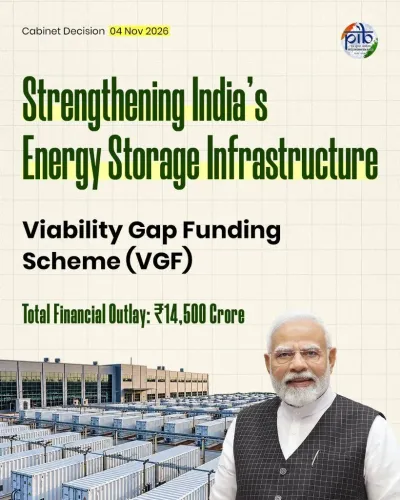
The Union Cabinet has approved a ₹14,500 crore Viability Gap Funding scheme to build 92 GWh of grid-scale energy storage across India between FY 2026-27 and 2030-31, strengthening the country's renewable energy reliability and energy self-reliance goals.
Key Takeaways
The Union Cabinet approved a ₹14,500 crore VGF scheme for grid-scale energy storage systems.
The scheme targets 92 GWh of new energy storage capacity to be developed nationwide.
Implementation runs from FY 2026-27 to FY 2030-31 .
Viability Gap Funding provides central government financial support to make projects commercially viable for private developers.
The storage push directly supports India's 500 GW non-fossil fuel target by 2030 under the Panchamrit strategy.
Key beneficiaries include renewable energy developers and state power utilities seeking grid stability.
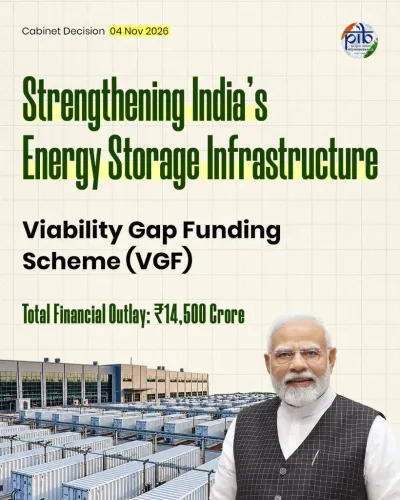
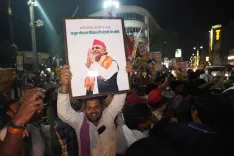
India's clean-energy push just got a serious backbone. Union Petroleum Minister Hardeep Singh Puri on Wednesday, 4 November 2026 welcomed the Union Cabinet's approval of a ₹14,500 crore Viability Gap Funding (VGF) scheme for grid-scale energy storage systems — a move designed to solve one of renewable energy's oldest problems: what to do when the sun isn't shining and the wind isn't blowing.
Posting on X in Hindi, Puri framed the decision as twin wins — 'स्वच्छ ऊर्जा को नई ताकत, ऊर्जा आत्मनिर्भरता को नई गति' ('New strength for clean energy, new momentum for energy self-reliance'). The scheme targets a 92 GWh addition to India's energy storage capacity, to be developed across the country under a rollout window spanning financial years 2026-27 to 2030-31.
Why 92 GWh of Storage Changes the Renewable Equation
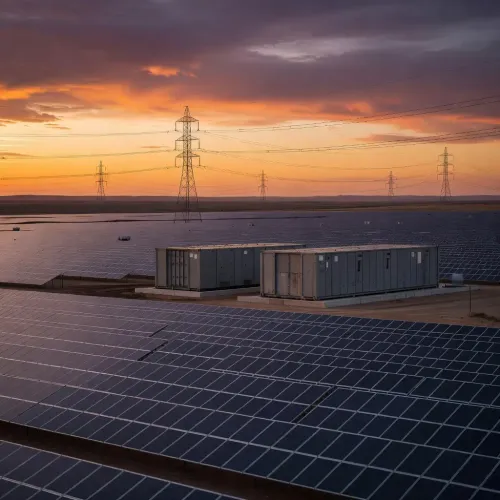
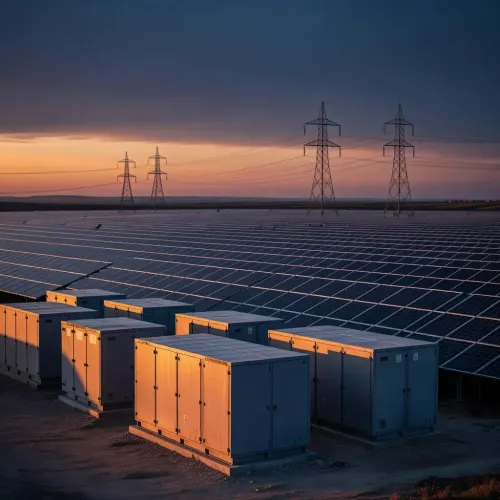
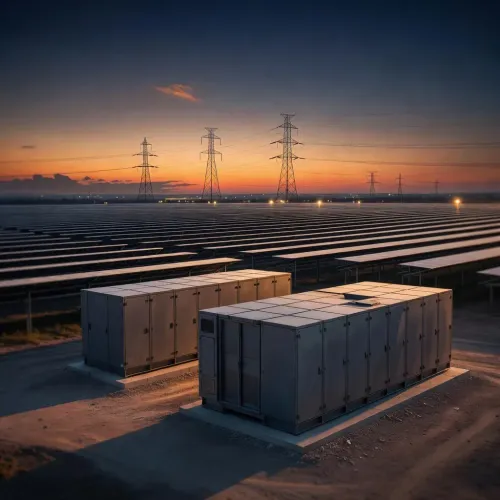
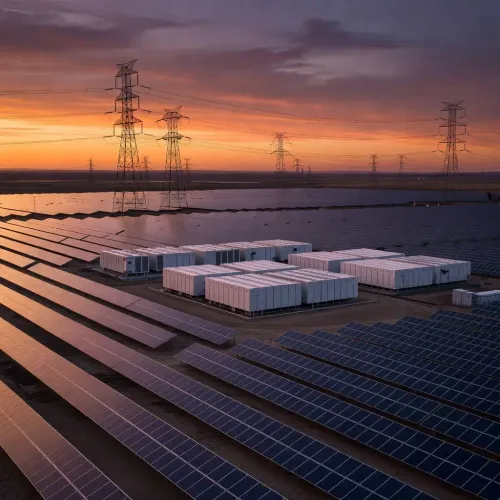
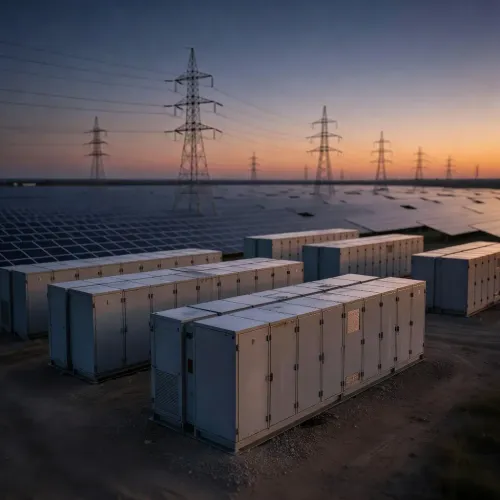
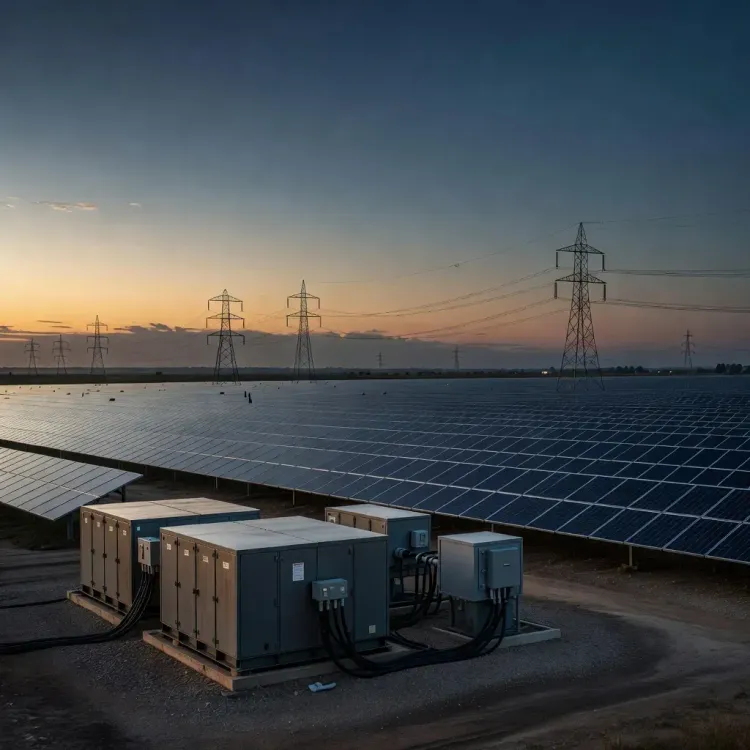
Solar panels and wind turbines generate power on nature's schedule, not the grid's. Without large-scale storage, surplus electricity generated at peak hours is simply wasted — and supply gaps during evenings or calm days force utilities back to coal. Grid-scale battery storage breaks that dependency by warehousing clean electricity and dispatching it on demand, enabling round-the-clock renewable supply.
India has aggressively scaled solar and wind installation over the past decade, pushing toward the 500 GW non-fossil fuel capacity target by 2030 that Prime Minister Modi committed to at COP26 in 2021 under the Panchamrit strategy. Storage infrastructure is the missing link that converts raw generation capacity into reliable, dispatchable power — and 92 GWh is a substantial step toward plugging that gap.
VGF: The Government's Tried-and-Tested Crowbar for Private Capital
Viability Gap Funding is not a new tool — it is one of the government's most reliable levers for pulling private investment into infrastructure that is strategically necessary but commercially marginal without initial support. Under the VGF model, the central government absorbs a portion of project costs to make returns attractive enough for private developers and renewable energy companies to commit capital.
Applying it here signals that the government expects the energy storage market to mature and become self-sustaining over the five-year horizon — with early-mover projects de-risked by public funding, and later ones standing on commercial merit. Renewable energy developers and state power utilities stand to be the most immediate beneficiaries, gaining access to storage assets that stabilise grids they already manage.
The Tender Pipeline to Watch
Approval is the starting gun, not the finish line. The real test of this scheme will arrive with the tendering process — how quickly projects are awarded, whether private developers bid at the anticipated scale, and whether state utilities integrate the storage capacity effectively into their grids. With the scheme becoming operational from FY 2026-27, the first round of project awards should come into view within months.
India's energy storage ambition now has a price tag, a timeline, and a government guarantee behind it. Whether 92 GWh arrives on schedule will be the number to watch as the decade's clean-energy scoreboard comes into sharper focus.
Point of View
500 crore VGF commitment for grid-scale storage marks a qualitative shift in India's renewable strategy — moving beyond raw capacity addition toward dispatchability, the harder and more valuable prize. By using VGF, the government is effectively underwriting market creation for a technology that must become commercially self-sustaining before 2030. The 92 GWh target, ambitious by any measure, will test whether India's project-execution machinery can match its policy ambition. If tendering proceeds on schedule, this scheme could anchor the final leg of India's COP26 clean-energy pledge.
NationPress
4 Nov 2026
Frequently Asked Questions
What is the ₹14,500 crore VGF scheme for energy storage in India?
The Union Cabinet approved a ₹14,500 crore Viability Gap Funding scheme to develop 92 GWh of grid-scale energy storage systems across India between FY 2026-27 and FY 2030-31, helping store surplus solar and wind power for round-the-clock supply.
What is Viability Gap Funding (VGF) and how does it work?
Viability Gap Funding is a central government mechanism that provides financial support to infrastructure projects that are strategically important but not immediately commercially viable, making them attractive enough for private investment.
What is 92 GWh of energy storage and why does India need it?
92 GWh refers to gigawatt-hours of battery or storage capacity that can hold and dispatch electricity on demand. India needs it to manage the variability of solar and wind power, ensuring stable grid supply even when generation dips.
How does grid-scale storage support India's 2030 renewable energy targets?
India committed at COP26 in 2021 to 500 GW of non-fossil fuel capacity by 2030 under the Panchamrit strategy. Grid-scale storage converts intermittent renewable generation into reliable dispatchable power, making that target practically achievable.
When will the energy storage VGF scheme begin and who will benefit?
The scheme becomes operational from FY 2026-27 and runs through 2030-31. Primary beneficiaries include renewable energy developers who build storage projects and state power utilities that gain access to stable, clean electricity.