Puri hails Vikram-1 launch as milestone for India's private space sector
Synopsis
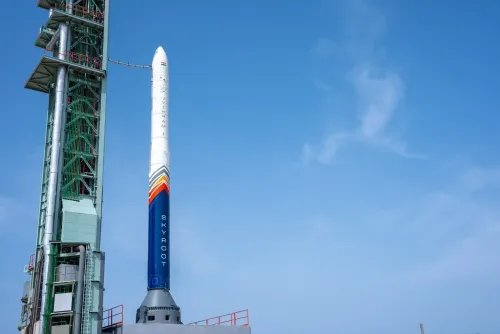
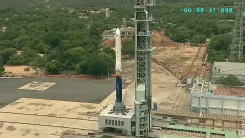
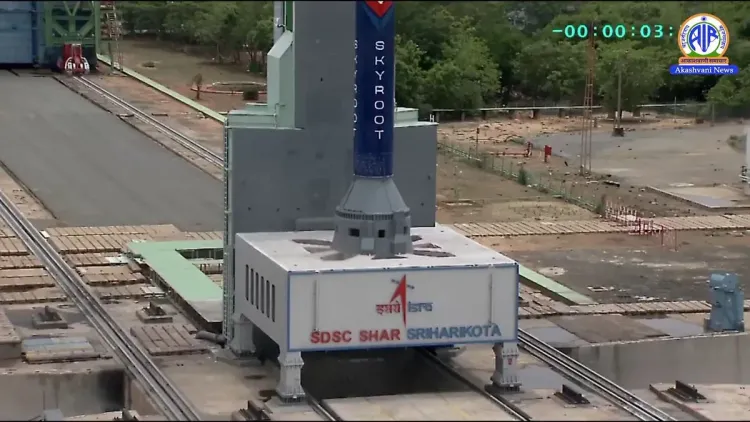
India's first privately developed orbital-class rocket, Vikram-1 by Skyroot Aerospace, lifted off from Sriharikota on 18 July 2026. Union Petroleum Minister Hardeep Singh Puri hailed the launch as a landmark for India's private space ambitions under PM Modi's leadership, marking a new chapter in the country's commercial space economy.
Key Takeaways
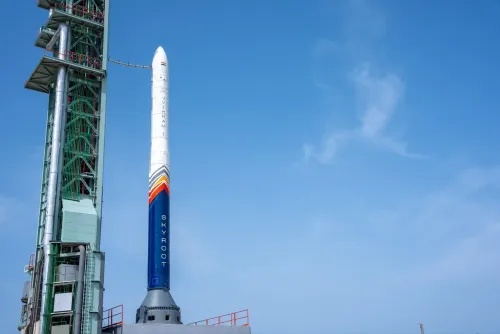
Vikram-1 , India's first privately developed orbital-class rocket, was launched by Skyroot Aerospace from Satish Dhawan Space Centre, Sriharikota on 18 July 2026 .
The vehicle is designed to carry payloads of up to 350 kg into a 450-km Low Earth Orbit .
Skyroot Aerospace is a Hyderabad-based startup founded in 2018 and is one of India's earliest private orbital launch companies.
The launch follows 2020 space sector reforms that opened rocket development and satellite operations to private companies for the first time in India.
IN-SPACe , established in 2020, regulates and enables private space activities alongside ISRO .
Skyroot's follow-on vehicles — Vikram-2 and Vikram-3 — are in development to expand payload capacity and launch cadence.
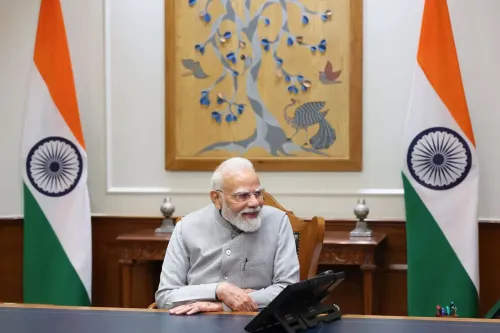
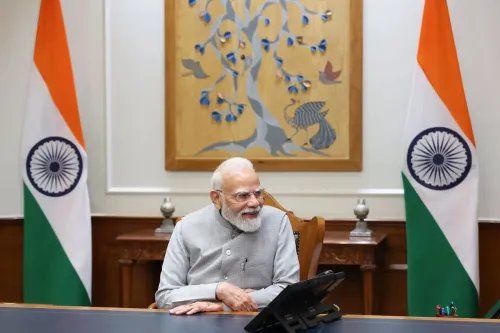
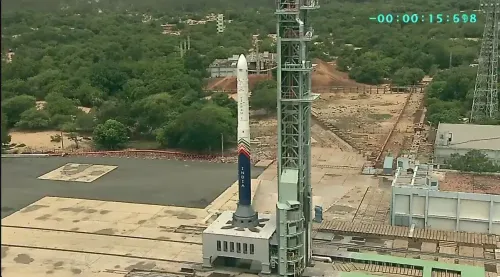
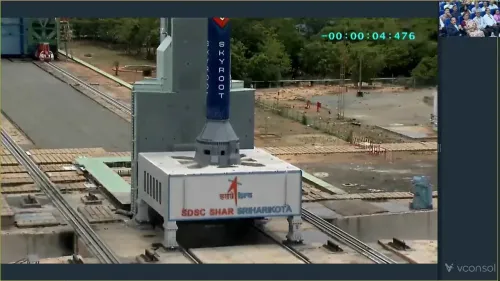
Union Petroleum Minister Hardeep Singh Puri on Saturday, 18 July 2026 congratulated India's space community after Vikram-1, the country's first privately developed orbital-class rocket, lifted off from the Satish Dhawan Space Centre in Sriharikota, Andhra Pradesh. The launch by Hyderabad-based Skyroot Aerospace marks a historic step in India's ambition to build a commercially competitive private space industry.
Context
Puri described the event as 'a major milestone for India's private space sector and its commercial launch ambitions,' crediting the achievement to the leadership of Prime Minister Narendra Modi. He extended 'heartiest congratulations to our space scientists, researchers, experts and technicians on this remarkable achievement.' Vikram-1 is designed to carry payloads of up to 350 kg into a 450-km Low Earth Orbit (LEO).
Skyroot Aerospace, founded in 2018, is among the earliest Indian startups to pursue private orbital launch capability. The company's Vikram series of small satellite launch vehicles is named after Dr Vikram Sarabhai, widely regarded as the father of the Indian space programme.
Policy Backdrop
The launch is a direct outcome of landmark space sector reforms the Government of India approved in 2020, which opened rocket development and satellite operations to private companies for the first time. The Indian National Space Promotion and Authorisation Centre (IN-SPACe), established the same year, serves as the regulatory body enabling and licensing private space activities alongside ISRO.
India's primary spaceport at Sriharikota has been operational since the 1970s and hosted the country's first successful orbital launch in 1980 with the SLV-3. Private vehicles such as Vikram-1 are intended to complement ISRO's existing PSLV and SSLV programmes, reducing dependence on state funding for routine commercial missions.
The reforms align with the broader Atmanirbhar Bharat (self-reliant India) initiative, which seeks to increase domestic capability across strategic sectors including space, defence, and semiconductors.
Stakeholders and Impact
The successful flight opens a new commercial lane for domestic and international satellite operators seeking affordable small-satellite launch services. India's growing constellation of private space startups — many backed by venture capital and government-linked funds — stand to benefit from a proven private orbital platform that can attract foreign payload contracts.
Globally, the NewSpace economy has seen commercial operators capture an increasingly large share of orbital launches. A functional private Indian launch vehicle positions the country to compete for a slice of the rapidly expanding small-satellite market, estimated to be worth tens of billions of dollars over the coming decade.
What's Next
Skyroot Aerospace is developing follow-on vehicles — Vikram-2 and Vikram-3 — with progressively higher payload capacities. Decisions by IN-SPACe on additional private launch pad licences and the award of foreign payload contracts will be closely watched as indicators of how quickly India's private launch market can scale. The government's target of growing India's share of the global space economy from roughly 2 percent to a significantly higher figure over the next decade will depend in large part on the cadence and reliability of missions like Vikram-1.
Point of View
While ceremonial in tone, carries political weight: it signals the ruling dispensation's intent to claim credit for the 2020 space liberalisation reforms that made Vikram-1 possible. The launch is a tangible vindication of the Atmanirbhar Bharat thesis applied to a high-technology domain, and the government will likely use it as a showcase ahead of future diplomatic and trade engagements. For India's broader industrial policy, a successful private orbital launch reduces the pressure on ISRO to serve every commercial customer, potentially freeing the agency to focus on deep-space and strategic missions. The real test, however, will be whether Skyroot can achieve the launch cadence and price-competitiveness needed to win sustained foreign payload contracts in a market already crowded by SpaceX and RocketLab.
NationPress
18 Jul 2026
Frequently Asked Questions
What is Vikram-1 and who built it?
Vikram-1 is India's first privately developed orbital-class rocket, built by Hyderabad-based startup Skyroot Aerospace, which was founded in 2018. It is designed to carry payloads of up to 350 kg into a 450-km Low Earth Orbit.
Where did Vikram-1 launch from?
Vikram-1 lifted off from the Satish Dhawan Space Centre in Sriharikota, Andhra Pradesh, which is India's primary orbital launch facility operated by ISRO.
Why is the Vikram-1 launch significant for India?
The launch marks the first time a privately developed orbital-class rocket has lifted off from Indian soil, a direct result of 2020 government reforms that opened the space sector to private companies. It positions India to compete in the global small-satellite launch market.
What is IN-SPACe and what role did it play?
IN-SPACe, the Indian National Space Promotion and Authorisation Centre, was established in 2020 to regulate and enable private space activities in India. It is the body responsible for licensing companies like Skyroot Aerospace to develop and launch rockets.
What comes after Vikram-1 for Skyroot Aerospace?
Skyroot Aerospace is developing Vikram-2 and Vikram-3, follow-on vehicles with progressively higher payload capacities, aimed at increasing India's private launch cadence and attracting international satellite operators.