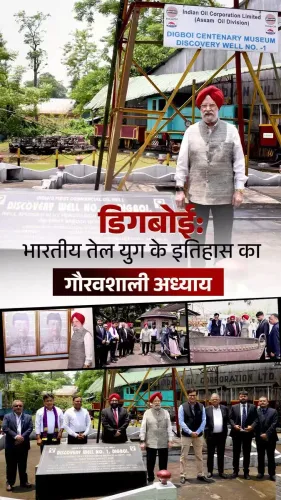
Puri Visits Digboi Centenary Museum, Hails India's Oil Heritage
Synopsis
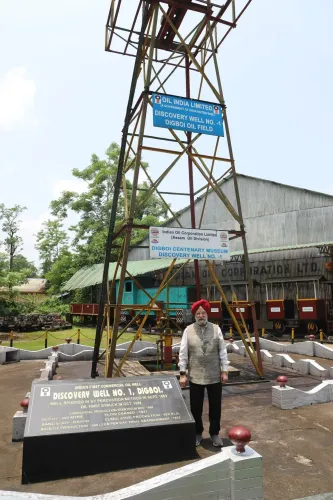
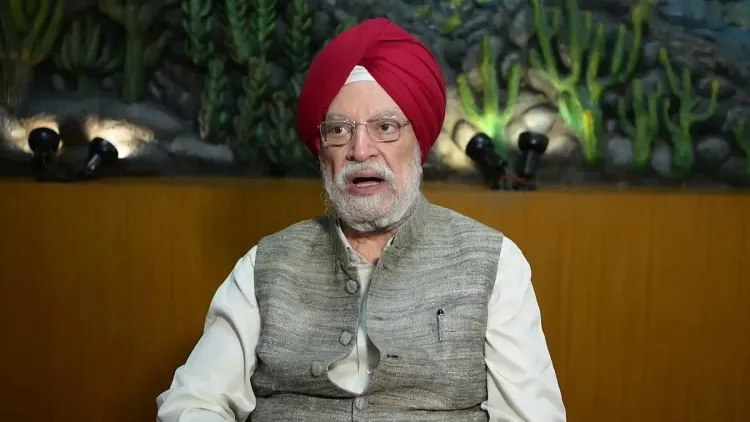
Union Petroleum Minister Hardeep Singh Puri visited Assam's Digboi Centenary Museum on June 23, 2026, celebrating the world's second-oldest operating refinery — established in 1901 — as a symbol of India's energy heritage and its march toward self-reliance and a green energy future under PM Modi.
Key Takeaways
Hardeep Singh Puri visited the Digboi Centenary Museum at Digboi Refinery, Assam on June 23, 2026 .
The Digboi Refinery , established in 1901 , is the world's second-oldest operating refinery and is called the 'Gangotri of the Indian Oil Industry.' Oil was first discovered at Digboi in 1889 , making Assam the birthplace of India's commercial petroleum sector.
The refinery is currently operated by Indian Oil Corporation (IOC) and remains an active facility after more than 125 years .
Puri linked the heritage site to India's current goals of energy security, Atmanirbhar Bharat, and green energy transition under PM Narendra Modi .
India's energy policy milestones include the New Exploration Licensing Policy (1999) , Pradhan Mantri Ujjwala Yojana (2016) , and a net-zero target by 2070 announced at COP26 .
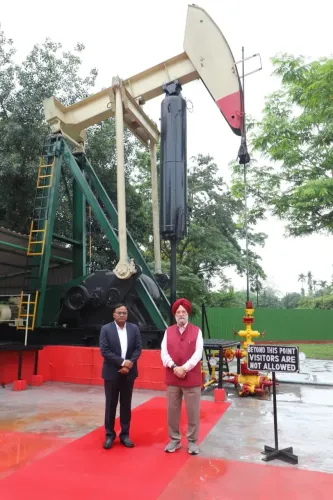
Union Petroleum Minister Hardeep Singh Puri visited the Digboi Centenary Museum at the historic Digboi Refinery in Assam on Tuesday, June 23, 2026, paying tribute to a landmark that stands at the very origin of India's oil industry. The refinery, established in 1901 and recognised as the world's second-oldest operating refinery, is often called the 'Gangotri of the Indian Oil Industry' — a reference to the sacred source of a great river, signifying where India's energy journey began.
Context
Puri described the museum and refinery as 'inspiring reminders of our remarkable progress and enduring spirit of innovation.' The Digboi Refinery traces its origins to the oil discovery in Assam in 1889, when the region became the site of India's first commercial petroleum find. The refinery was commissioned under the Assam Oil Company in 1901 and has remained operational for over 125 years, making it a living monument to India's industrial and energy heritage.
The Centenary Museum at the site preserves artefacts, equipment, and documents chronicling the full arc of India's early exploration and refining journey — from colonial-era drilling rigs to post-independence expansion under public-sector stewardship. Today, the refinery is operated by Indian Oil Corporation (IOC), the state-owned downstream giant that manages a significant share of India's petroleum infrastructure.
Policy Backdrop
The ministerial visit comes as India pursues a dual agenda: deepening energy security through domestic production and simultaneously accelerating a transition toward cleaner fuels. Puri invoked the leadership of Prime Minister Narendra Modi, framing the heritage site within the broader national goals of energy security, self-reliance (Atmanirbhar Bharat), and a green energy future.
India's upstream hydrocarbon policy has evolved significantly since the New Exploration Licensing Policy (NELP) introduced in 1999, which sought to draw private investment into oil and gas exploration. On the demand side, the Pradhan Mantri Ujjwala Yojana, launched in 2016, expanded access to clean cooking fuel for millions of households. More recently, India announced a net-zero emissions target by 2070 at COP26 and launched the National Green Hydrogen Mission to diversify the energy mix away from fossil fuels.
Digboi, in this context, represents both the foundation on which India's energy system was built and a counterpoint to where policy now aims to go — a managed, long-term transition rather than an abrupt departure from hydrocarbons.
Stakeholders and Impact
The Digboi Refinery and its surrounding township in Tinsukia district, Assam, have been central to the livelihoods of generations of oil industry workers and local communities in the Northeast. The refinery's continued operation carries symbolic and economic weight for the region, which has historically sought greater recognition of its contribution to India's energy output.
For the broader oil sector, ministerial visits to legacy infrastructure send a signal of institutional continuity — that heritage assets will be maintained and celebrated even as the sector modernises. Energy consumers across India, meanwhile, have a stake in the policy balance between sustaining domestic refining capacity and accelerating the shift to renewables and green hydrogen.
What's Next
The Petroleum Ministry is expected to release progress reports on refinery capacity additions and the National Green Hydrogen Mission rollout in upcoming sector reviews. Parliamentary discussions on upstream licensing reforms and Northeast-specific energy projects are also anticipated. The Digboi visit may foreshadow renewed government attention to legacy refining infrastructure in the region, potentially including modernisation or capacity-enhancement announcements tied to India's broader energy security roadmap.
Point of View
The minister frames the Northeast's colonial-era oil infrastructure as the spiritual and historical source of modern India's energy journey, lending cultural weight to present-day policy. The visit also subtly reinforces the government's position that the green transition is evolutionary rather than revolutionary — built on, not in rejection of, the hydrocarbon foundations that powered independent India. For the BJP, heritage-linked optics in Assam carry additional political resonance ahead of any regional electoral cycle.
NationPress
22 Sept 2026
Frequently Asked Questions
What is the Digboi Refinery and why is it famous?
The Digboi Refinery in Assam, established in 1901, is the world's second-oldest operating oil refinery and is known as the 'Gangotri of the Indian Oil Industry.' It was built after oil was first commercially discovered at Digboi in 1889, making it the birthplace of India's petroleum sector.
Why did Hardeep Singh Puri visit the Digboi Centenary Museum?
Union Petroleum Minister Hardeep Singh Puri visited the Digboi Centenary Museum on June 23, 2026, to honour India's oil heritage and connect the refinery's 125-year legacy to the Modi government's goals of energy security, self-reliance, and a green energy future.
Who operates the Digboi Refinery today?
The Digboi Refinery is currently operated by Indian Oil Corporation (IOC), the state-owned downstream petroleum company, and continues to function as an active refining facility.
What is India's green energy policy and how does Digboi fit in?
India has committed to net-zero emissions by 2070 and launched the National Green Hydrogen Mission to diversify its energy mix. The Digboi Refinery represents the hydrocarbon foundation on which India's energy system was built, and ministerial visits to such sites signal a managed transition rather than an abrupt shift away from fossil fuels.
When was oil first discovered in India?
Oil was first commercially discovered in India at Digboi, Assam, in 1889, leading to the establishment of the Digboi Refinery in 1901 under the Assam Oil Company.