Rahul Gandhi Backs Teen Who Exposed CBSE-COEMPT Nexus
Synopsis
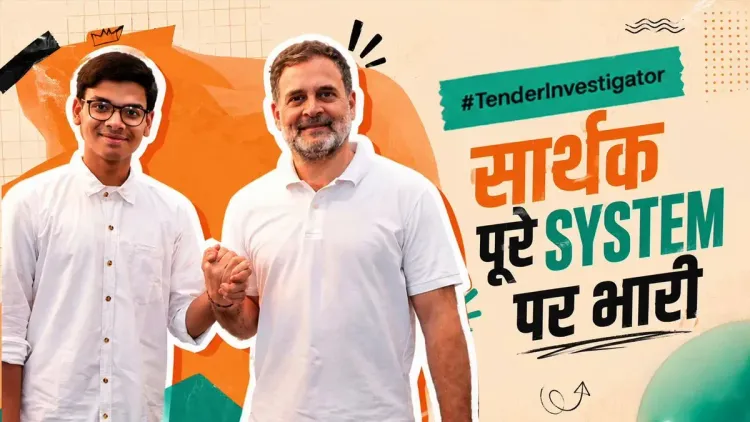
Congress leader Rahul Gandhi praised 18-year-old Sarthak and associate Nisarg on June 7, 2026, for allegedly exposing a collusion between CBSE and COEMPT, saying they achieved what major investigative outlets could not, while taking a swipe at PM Modi's youth priorities.
Key Takeaways
Congress leader Rahul Gandhi posted on June 7, 2026 praising young activists Sarthak (18) and Nisarg for exposing an alleged CBSE-COEMPT nexus.
Gandhi claimed the two youths accomplished what 'big media houses and investigative journalists' could not.
The post included a pointed critique of PM Modi , invoking the 'reels and pakodas' narrative to allege the government prefers youth disengagement over systemic accountability.
CBSE has faced exam-integrity controversies before, including confirmed paper leaks in 2018 that forced re-examinations in Class 10 and Class 12 .
The monsoon session of Parliament is expected to be a flashpoint for questions on CBSE tendering and exam-security protocols.
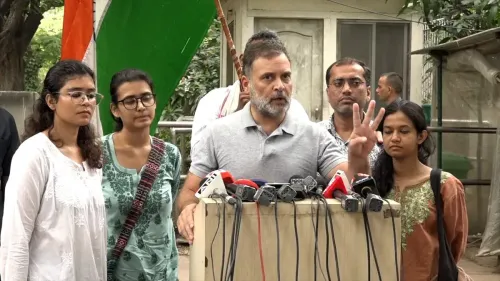
Congress leader Rahul Gandhi on Sunday, June 7, 2026, publicly praised two young activists — Sarthak, aged 18, and his associate Nisarg — for allegedly exposing a collusion between CBSE and an entity called COEMPT, contrasting their initiative with what he described as the government's preference for keeping youth disengaged.
Context
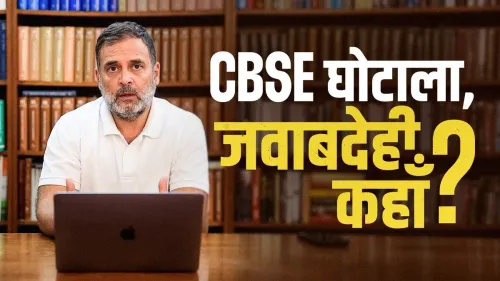
In a Hindi-language post on X, Gandhi wrote: 'Sarthak 18 saal ka hai — par soch, sahas aur siddhant mein kisi se kam nahin' ('Sarthak is 18 years old — but second to none in thought, courage, and principle'). He credited Sarthak and Nisarg with doing what he claimed 'the country's big media houses and investigative journalists could not' — placing the alleged nexus between CBSE and COEMPT before the public. The post included a video, the contents of which were not independently detailed in the post text.
Gandhi ended the post with a pointed political barb, suggesting that Prime Minister Narendra Modi would prefer young Indians to keep making reels and frying pakoras — a reference to a remark widely attributed to the BJP-led government's framing of youth employment and self-reliance.
Policy Backdrop
CBSE, the Central Board of Secondary Education, is the national school examination and curriculum body under the Union Ministry of Education. It has faced scrutiny over exam integrity before — most notably in 2018, when it ordered re-examinations in Class 10 and Class 12 after confirmed leaks of mathematics and economics papers.
Opposition leaders have repeatedly used social media to highlight alleged lapses in examination oversight and to contrast them with government messaging on vocational skills and digital content creation. Questions about regulatory oversight of exam-conducting agencies and private vendors have surfaced repeatedly in parliamentary discussions.
Stakeholders and Impact
The post directly elevates the profile of two young individuals who, according to Gandhi, acted as citizen investigators. If the claims about a CBSE-COEMPT nexus gain traction, the primary stakeholders affected would be millions of students appearing in board examinations and their families, who depend on the integrity of these assessments for college admissions and career prospects.
The framing also carries a broader political charge: by invoking the 'reels and pakodas' imagery, Gandhi is reviving a long-running opposition critique that the government celebrates informal or low-skill activity as employment while systemic opportunities — including fair examinations — remain compromised. The 'pakoda' reference specifically echoes a 2018 remark attributed to PM Modi that selling pakodas constitutes employment, which drew significant criticism at the time.
What's Next
Parliamentary watchers will look to the upcoming monsoon session of Parliament for any questions or committee reports targeting CBSE tendering processes and exam-security protocols. Gandhi's post is likely to intensify pressure on the Ministry of Education to clarify the nature of its contractual and operational relationship with any private vendors involved in examination conduct.
Should the video attached to the post circulate widely, it could prompt formal demands for a parliamentary inquiry or a Central Vigilance Commission review — a pattern seen in previous examination-integrity controversies. The episode underscores a growing trend of youth-led accountability journalism using digital tools, a space that established institutions have been slower to occupy.
Point of View
The Congress is also signalling a grassroots accountability strategy ahead of the monsoon session. The 'pakoda' callback is deliberate — it is one of the most durable opposition punchlines against the Modi government's employment narrative, and re-deploying it alongside an examination-integrity charge amplifies both grievances. Whether the specific CBSE-COEMPT claim withstands scrutiny will determine if this post becomes a parliamentary flashpoint or fades as social media noise.
NationPress
20 Sept 2026
Frequently Asked Questions
What did Rahul Gandhi say about CBSE and COEMPT?
Rahul Gandhi claimed on June 7, 2026 that two young activists, Sarthak and Nisarg, exposed a collusion between CBSE and an entity called COEMPT, calling it an achievement that major media houses and investigative journalists had failed to accomplish.
Who are Sarthak and Nisarg in Rahul Gandhi's post?
Sarthak, described as 18 years old, and his associate Nisarg are young activists credited by Rahul Gandhi with investigating and publicising an alleged nexus between CBSE and COEMPT. Their precise identities are not confirmed in established public records.
What is COEMPT and its alleged link to CBSE?
COEMPT is the entity named in Rahul Gandhi's post as being involved in an alleged collusion with CBSE. The specific nature of the alleged nexus has not been independently verified from established public records.
What is the 'pakoda' remark Rahul Gandhi referenced?
Gandhi's reference to 'pakodas' alludes to a widely-cited 2018 remark attributed to PM Modi suggesting that selling pakodas constitutes employment, which the opposition has long used to critique the government's approach to youth jobs and opportunity.
Has CBSE faced exam integrity issues before?
Yes. In 2018, CBSE ordered re-examinations in Class 10 and Class 12 after confirmed leaks of mathematics and economics papers, a controversy that drew widespread public and parliamentary attention.