Rahul Gandhi flags CBSE tender changes that dropped scan quality
Synopsis
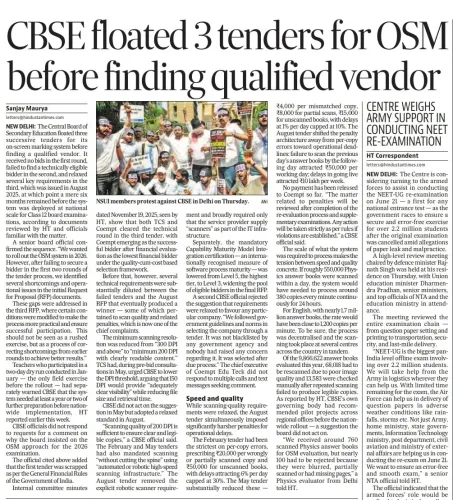
Congress leader Rahul Gandhi has alleged that CBSE's re-issued August 2025 scanning tender silently dropped robotic-scanner requirements and cut minimum resolution from 300 DPI to 200 DPI, raising questions about the integrity of answer-sheet processing for millions of students.
Key Takeaways
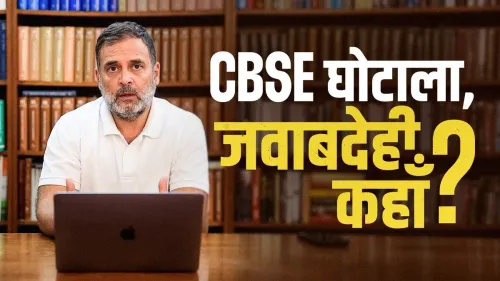
Congress leader Rahul Gandhi posted on 31 May 2026 alleging material changes between two versions of a CBSE answer-sheet scanning tender.
The May 2025 tender specified 'automatic robotic scanners', spine preservation, and a minimum of 300 DPI resolution.
The August 2025 re-issued tender allegedly made scanner requirements generic and reduced minimum resolution to 200 DPI .
CBSE conducts board exams for millions of Class 10 and Class 12 students, making answer-sheet processing standards a high-stakes issue.
Gandhi's post stops short of naming any vendor or official, but implies the changes served an undisclosed purpose.
The controversy is likely to prompt RTI filings and parliamentary questions on CBSE procurement transparency.
Congress leader Rahul Gandhi on Sunday, 31 May 2026, raised pointed questions about changes made to a Central Board of Secondary Education (CBSE) tender for answer-sheet scanning, alleging that key technical safeguards were quietly removed when the tender was re-issued in August 2025.
Context
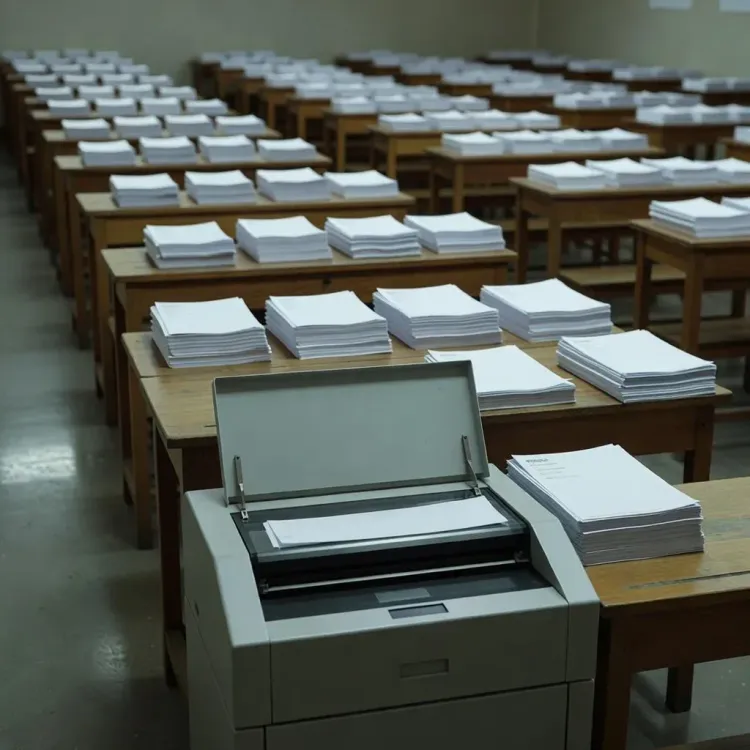
Gandhi's post draws a direct comparison between two versions of a CBSE procurement tender. According to his post, the May 2025 tender required answer sheets to be scanned using 'automatic robotic scanners' with spines preserved and at a minimum resolution of 300 DPI (dots per inch). When the tender was re-issued in August 2025, he says, these specifics were stripped out: the scanner requirement became generic and the minimum resolution was reduced to 200 DPI.
Gandhi's post ends with the phrase 'Now we know what that' — left deliberately incomplete — implying the specification changes served an undisclosed purpose. The post does not name any vendor or individual official.
Policy Backdrop
CBSE has been digitising its examination processes in phases since around 2013–14, introducing on-screen evaluation and scanning of answer scripts to reduce manual handling and improve marking consistency. These efforts sit within the broader Digital India framework launched in 2015, under which public-sector institutions have progressively adopted technology for large-scale document management.
Changes to technical specifications during the re-tendering of government contracts are not uncommon; procurement rules allow revisions to balance cost, update technology requirements, or widen vendor participation. However, critics argue that downgrading resolution standards — from 300 DPI to 200 DPI — in a context involving millions of student answer scripts is a meaningful quality reduction, not a routine adjustment. A lower DPI can affect the legibility of handwritten text and the reliability of automated processing.
Stakeholders and Impact
The stakes are significant. CBSE conducts board examinations for millions of Class 10 and Class 12 students across India every year, with the scanning and digital handling of answer scripts directly affecting evaluation accuracy and the integrity of results. Students, parents, and exam evaluators are the primary stakeholders in any change to how answer sheets are processed.
Vendors participating in government scanning tenders are also affected: tighter technical specifications such as robotic scanners and higher DPI requirements raise the barrier to entry but also raise output quality. Relaxing those standards can expand the vendor pool while potentially lowering the quality floor. Opposition leaders and education activists have previously raised concerns about procurement transparency in public examination systems.
What's Next
Gandhi's post is likely to prompt demands for an official explanation from the Ministry of Education or CBSE regarding the rationale for the specification changes. Parliamentary questions or Right to Information (RTI) filings seeking the full text of both tender versions and the reasoning behind the revisions are a probable next step.
With CBSE board examination cycles in 2026 approaching, scrutiny of how answer sheets are scanned and processed will intensify. Whether the government provides a technical justification or whether the tender revisions become the subject of a wider parliamentary debate will shape the political trajectory of this issue.
Point of View
Insulating the claim from defamation risk while maximising insinuation. The broader pattern matters: India's digitisation of public examinations has been a flagship governance reform, and any credible allegation of specification-dilution in that space carries reputational cost for the ruling establishment. Whether this gains traction will depend on whether the actual tender documents surface publicly, either through RTI or parliamentary disclosure.
NationPress
14 Oct 2026
Frequently Asked Questions
What changes did Rahul Gandhi allege in the CBSE scanning tender?
Gandhi alleged that CBSE's re-issued August 2025 tender removed the requirement for automatic robotic scanners and spine preservation, and reduced the minimum scanning resolution from 300 DPI to 200 DPI compared to the original May 2025 tender.
Why does DPI matter for CBSE answer sheet scanning?
DPI (dots per inch) determines the clarity of scanned images. A higher DPI such as 300 produces sharper, more legible scans of handwritten answer scripts, which is important for accurate evaluation. Dropping to 200 DPI can reduce legibility and the reliability of automated processing.
What is CBSE's answer sheet scanning process?
CBSE has been digitising answer-sheet evaluation since around 2013–14, scanning physical scripts so evaluators can mark them on-screen. This reduces manual handling, improves consistency, and creates a digital record of each script.
Can the government change specifications in a re-issued tender?
Yes, Indian procurement rules permit technical specifications to be revised when a tender is re-issued, typically to adjust for cost, technology changes, or to widen vendor participation. However, such changes require documented justification and are subject to scrutiny.
What happens next after Rahul Gandhi's CBSE tender allegation?
The allegation is likely to prompt Right to Information (RTI) applications for both tender documents and parliamentary questions to the Ministry of Education seeking the rationale for the specification changes.