Rahul Gandhi Attacks Modi Govt Over Ujjwala Subsidy Cut
Synopsis
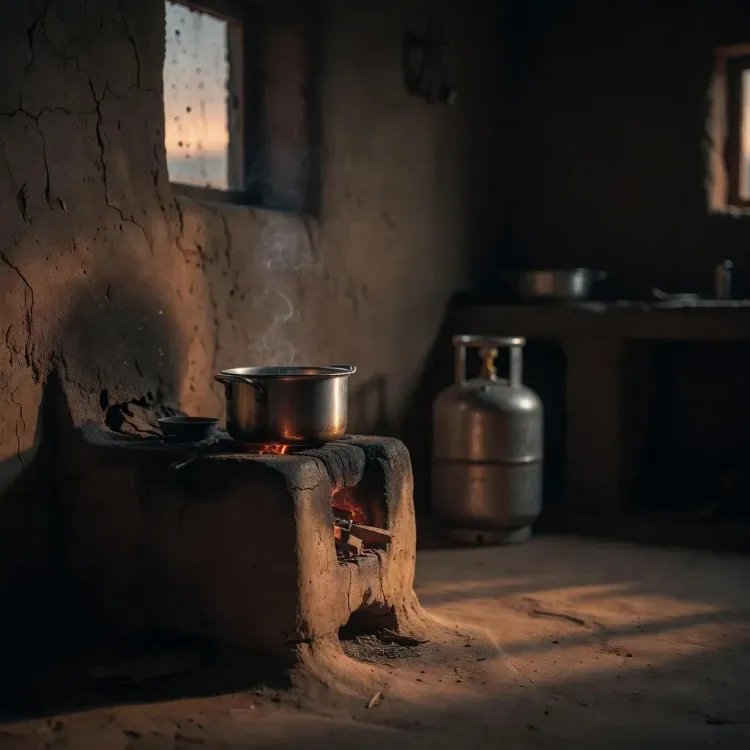
Congress leader Rahul Gandhi has accused the Modi government of cutting subsidised LPG cylinders under Ujjwala Yojana from 9 to 4 per year, arguing that twelve years of anti-poor policies have pushed lakhs of poor families and women back to toxic wood smoke.
Key Takeaways
Congress leader Rahul Gandhi posted on June 9, 2026 , accusing the central government of twelve years of anti-poor economic and foreign policies.
Gandhi claimed subsidised LPG cylinders under Pradhan Mantri Ujjwala Yojana have been cut from 9 to 4 per household per year.
PMUY was launched in May 2016 to provide free LPG connections to eight crore below-poverty-line households, primarily targeting women.
Opposition criticism has long focused on the gap between connection targets and actual sustained LPG usage, citing refill costs as a key barrier.
Women and poor rural households are the most directly affected stakeholders if subsidised refill entitlements are reduced.
The issue is expected to be raised in upcoming parliamentary sessions through questions on LPG subsidy allocations.
Congress leader Rahul Gandhi, Leader of the Opposition in Lok Sabha and MP from Rae Bareli, on Tuesday, June 9, 2026, launched a sharp attack on the central government, accusing it of pushing poor families and women back to toxic wood smoke through what he called twelve years of anti-poor economic policies and a compromised foreign policy.
Posting in Hindi on X, Gandhi stated: '12 वर्षों की गरीब-विरोधी आर्थिक नीतियों और compromised विदेश नीति ने आज देश को ऐसे हालात में ला खड़ा कर दिया है' — ('12 years of anti-poor economic policies and a compromised foreign policy have brought the country to a situation today') — where, he alleged, lakhs of poor families and women have been pushed towards the toxic smoke of firewood.
Gandhi specifically claimed that the number of subsidised cylinders available under the Pradhan Mantri Ujjwala Yojana had been reduced from 9 to 4 per year. The Congress party has consistently argued that high refill costs undermine the scheme's stated goal of clean cooking for below-poverty-line households.
Context
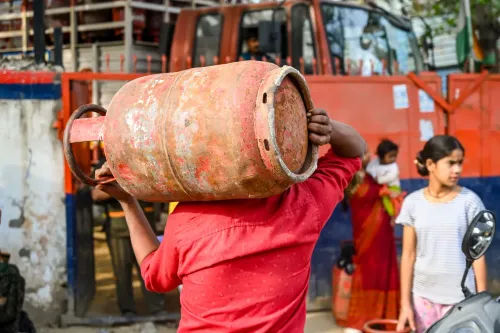
The Pradhan Mantri Ujjwala Yojana (PMUY) was launched in May 2016 by the government of Prime Minister Narendra Modi as a flagship clean-cooking initiative. Its stated objective was to provide free LPG connections to women from below-poverty-line households, targeting an eventual coverage of eight crore poor families, to replace traditional biomass and wood-based cooking fuels that cause severe indoor air pollution.
Gandhi's post ties the alleged rollback of subsidy benefits not just to domestic fiscal decisions but also to foreign policy, suggesting that external factors have driven up fuel costs and eroded household purchasing power. He did not elaborate further on the specific foreign-policy linkage in this post.
Policy Backdrop
Opposition scrutiny of PMUY has centred on a persistent gap between the number of LPG connections distributed and the rate of actual sustained usage. Critics have long argued that while connection targets were met on paper, many beneficiary households reverted to biomass cooking when subsidised refill allocations proved insufficient or when out-of-pocket refill costs rose beyond their means.
The annual entitlement of subsidised cylinders per household has been a recurring flashpoint. Gandhi's specific claim — that the entitlement has been cut from 9 to 4 cylinders per year — is the sharpest version of this critique to date. The government has not responded publicly to this specific figure as of the time of publication.
Stakeholders and Impact
The primary stakeholders are the estimated crores of women and poor households enrolled under PMUY across rural and semi-urban India. For these families, the number of subsidised refills per year directly determines whether clean cooking fuel is financially viable or whether they revert to wood, dung cakes, or crop residue — fuels linked to respiratory disease and premature death, particularly among women and children.
Women's health advocates and rural welfare groups have repeatedly flagged indoor air pollution from solid biomass as a major public health burden. Any reduction in subsidised refill availability would disproportionately affect women, who bear the primary burden of household cooking in most of the targeted demographics.
What's Next
Gandhi's post is likely to intensify pressure on the government ahead of any parliamentary session, where opposition members are expected to raise questions on LPG subsidy allocations and annual refill entitlements under Ujjwala. The Congress party has used welfare scheme performance as a central plank of its political messaging, and this post signals that energy affordability will remain a key opposition theme.
Whether the government revises the subsidised cylinder entitlement upward — or defends the current allocation with fresh data on usage and fiscal sustainability — will determine the next phase of this debate. The broader question of linking domestic energy prices to foreign-policy choices is also likely to find its way into parliamentary discourse in the coming weeks.
Point of View
He attempts to broaden the critique beyond fiscal choices to geopolitical ones, a framing that could resonate with voters feeling the pinch of global fuel price volatility. The specific figure of a cut from 9 to 4 cylinders, if substantiated in parliament, would be politically damaging for the ruling side. This post fits a sustained Congress pattern of attacking the gap between welfare scheme announcements and on-ground delivery.
NationPress
16 Sept 2026
Frequently Asked Questions
What is Pradhan Mantri Ujjwala Yojana?
Pradhan Mantri Ujjwala Yojana (PMUY) is a central government scheme launched in May 2016 to provide free LPG cooking gas connections to women from below-poverty-line households, aiming to replace traditional biomass and wood-based cooking fuels that cause indoor air pollution.
What has Rahul Gandhi said about Ujjwala Yojana in 2026?
Rahul Gandhi alleged on June 9, 2026, that the number of subsidised LPG cylinders available to Ujjwala Yojana beneficiaries has been cut from 9 to 4 per year, and that twelve years of anti-poor policies have pushed lakhs of poor families back to using firewood.
How many subsidised cylinders do Ujjwala Yojana beneficiaries get per year?
Congress leader Rahul Gandhi has claimed the entitlement has been reduced from 9 to 4 subsidised cylinders per year; the government has not publicly responded to this specific figure as of June 9, 2026.
Why is LPG subsidy important for poor households in India?
For below-poverty-line families enrolled under PMUY, subsidised LPG refills are the primary factor determining whether clean cooking fuel is affordable. Without sufficient subsidised refills, many households revert to burning wood, dung cakes, or crop residue, which cause serious respiratory illness, especially among women and children.
What is Rahul Gandhi's role in Indian politics?
Rahul Gandhi is the Leader of the Opposition in the Lok Sabha and a Member of Parliament from Rae Bareli. He is a senior leader of the Indian National Congress party and one of the most prominent voices of the parliamentary opposition.