Rahul Gandhi: Home Ministry had to clear Sahil's FIR
Synopsis
Rahul Gandhi alleges that registering a basic FIR for a complainant named Sahil required Home Ministry approval, using the case to spotlight the Centre's direct control over Delhi Police and its consequences for ordinary citizens seeking justice.
Key Takeaways
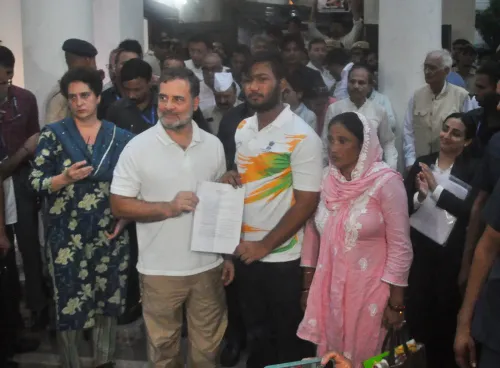
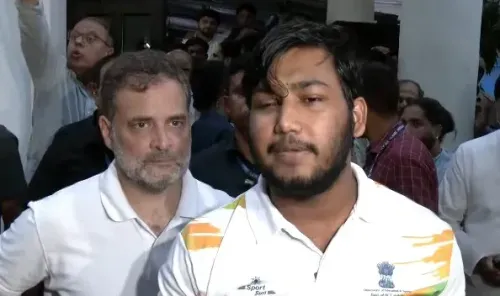
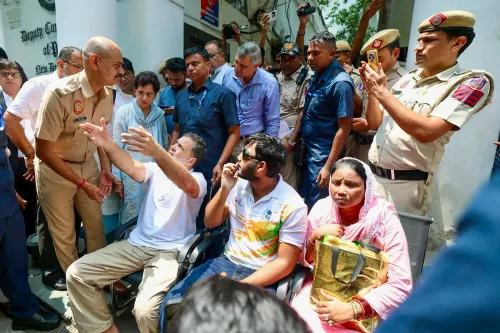
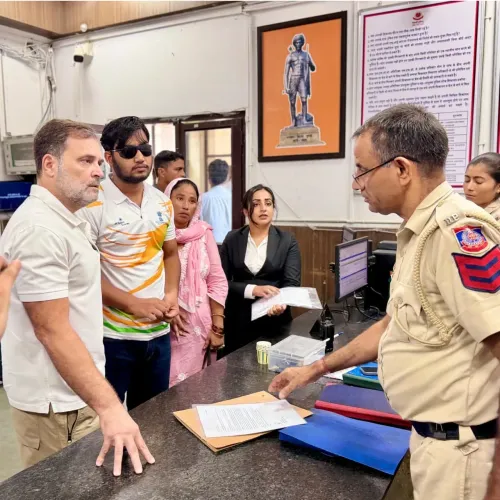
Rahul Gandhi posted on 21 August 2026 that an FIR for a person named Sahil has been registered, calling it the first step toward justice.
Gandhi alleged that even filing the FIR required permission from the Union Ministry of Home Affairs .
Delhi Police reports directly to the Home Ministry , not to the elected Delhi government — an arrangement unique among major Indian cities.
Congress has consistently criticised this structure as enabling political interference in routine law enforcement.
The Supreme Court has previously held that police must register FIRs in cognisable offences without delay, making ministry-level bottlenecks legally contentious.
The specific identity of Sahil and full case details have not been independently verified.
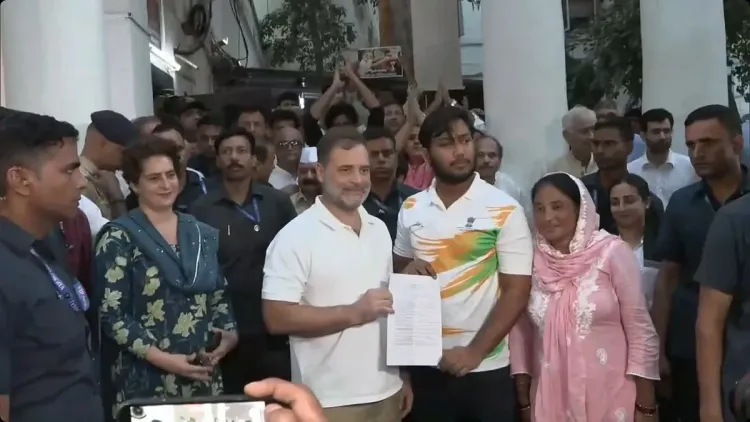
A first information report — the most basic gateway to justice in India — required clearance from the Union Home Ministry before it could be filed. That is the charge Congress leader Rahul Gandhi, Leader of the Opposition in Lok Sabha, levelled on Friday, 21 August 2026, targeting the central government's grip over policing in the national capital.
Posting in Hindi, Gandhi wrote: 'Sahil ki FIR darj hui. Yeh nyay ki taraf pehla qadam hai.' ('Sahil's FIR has been registered. This is the first step towards justice.') He then sharpened the attack: 'But think — even the permission to file an FIR had to come from the Home Ministry. Now it is clear who has put a leash on justice.'
Why Delhi's policing chain runs through the Home Ministry
Unlike every other major state in India, Delhi Police does not report to the elected state government — it reports directly to the Ministry of Home Affairs in New Delhi. This arrangement, rooted in Delhi's status as a Union Territory with special provisions, has been a recurring flashpoint between the central government and opposition parties.
Congress has long argued that this chain of command creates a political filter over routine law-enforcement decisions — including, critics allege, the simple act of registering a complaint. Gandhi's post frames the eventual filing of the FIR not as routine police work but as something that required political authorisation from the top.
The FIR-delay pattern and what it signals
Delays or refusals in FIR registration have been a persistent grievance in Delhi, periodically surfacing in court petitions and parliamentary debates. The Supreme Court of India has previously ruled that police are legally bound to register FIRs in cognisable offences without delay — making any allegation of a ministry-level bottleneck constitutionally loaded.
Gandhi's framing — that a Home Ministry nod was needed before a complainant named Sahil could get his case on record — turns a local grievance into a structural indictment. The identity of Sahil and the specific details of the case have not been independently confirmed.
The episode, if the sequence Gandhi describes holds up to scrutiny, raises a pointed question about the distance between a citizen's right to file a complaint and the political machinery that sits between that citizen and the nearest police station.
Point of View
He reframes Delhi's unique police-governance structure — a long-standing constitutional arrangement — as active suppression of justice. The timing and framing suggest Congress is building a sustained narrative around central control of Delhi Police ahead of any potential parliamentary session or electoral cycle. Whether the specific facts of the Sahil case bear out Gandhi's characterisation will determine whether this lands as a damaging indictment or an overreach.
NationPress
21 Aug 2026
Frequently Asked Questions
Why does the Home Ministry control Delhi Police?
Delhi is a Union Territory, not a full state, so its police force reports to the Union Ministry of Home Affairs rather than the elected state government — an arrangement that has existed since Delhi's special constitutional status was established.
What is Rahul Gandhi alleging about Sahil's FIR?
Gandhi alleges that registering the FIR for a person named Sahil required approval from the Home Ministry , implying that political oversight delayed or conditioned access to a basic legal remedy.
Is it legal to delay or withhold FIR registration in India?
No. The Supreme Court of India has ruled that police are legally obligated to register FIRs in cognisable offences promptly. Any politically motivated delay would be legally challengeable.
Has Congress raised Delhi Police autonomy before?
Yes. Congress and other opposition parties have repeatedly criticised the Centre's direct control over Delhi Police , arguing it creates a political filter over law enforcement in the capital.
Who is Sahil in Rahul Gandhi's post?
Gandhi refers to a complainant or victim named Sahil whose FIR has now been registered, but the specific identity and details of the case have not been independently confirmed.