How is the Railway Link Between Kashmir and the Rest of India Transforming J&K's Integration?
Synopsis
The integration of Jammu and Kashmir with the rest of India is taking a significant leap forward with the Union Budget 2026-27 allocating funds for railway infrastructure. This development promises to reshape the region's economic landscape and improve connectivity. Discover how these railway initiatives are set to change the lives of locals and foster growth.
Key Takeaways
Rail connectivity is essential for economic growth in Jammu and Kashmir.
The USBRL is one of India's most significant engineering achievements.
The introduction of the Vande Bharat Express enhances transportation reliability.
Railway projects promise to boost local economies and job creation.
Environmental considerations are being prioritized in project planning.
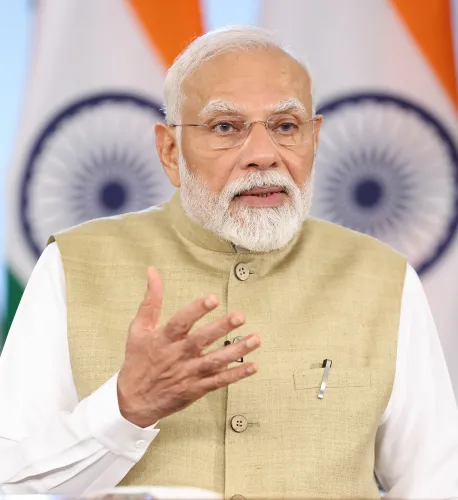
Jammu, Feb 4 (NationPress) Reinforcing Prime Minister Narendra Modi's commitment to the full integration of Jammu and Kashmir with the rest of India, the Union Budget 2026-27 has allocated Rs 1,086 crore towards the enhancement of railway infrastructure in the Union Territory.
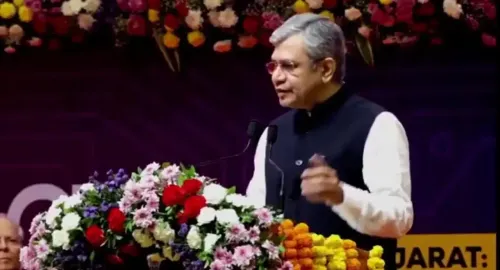
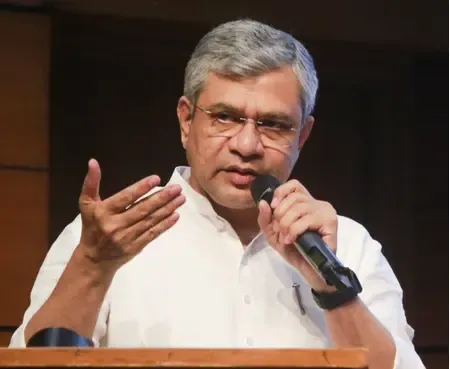
On Wednesday, Union Railway Minister Ashwini Vaishnaw proclaimed that rail connectivity would act as a key catalyst for regional growth, stability, and unified development following the abrogation of Article 370 on August 5, 2019.
This new transport initiative marks a thorough transformation, replacing outdated methods in a region that has long struggled with insufficient transport options.
For many years, Kashmir encountered significant hurdles to infrastructure advancement due to its challenging terrain, long winters, and persistent political unrest and security threats.
Travel was perilous and unpredictable due to snow, landslides, and other severe weather phenomena.
Steel railway tracks slicing through mountains and extensive tunnels traversing tough rock symbolize steady progress.
The Union government now perceives railway connectivity not merely as an additional feature but as a fundamental requirement for economic development and sustainable growth.
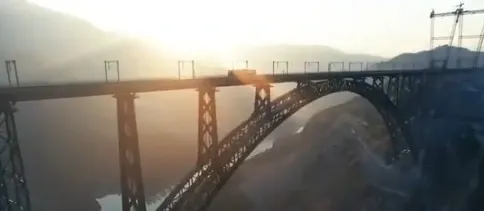
The Udhampur-Srinagar-Baramulla Rail Link (USBRL) is hailed as the most critical railway construction initiative in the region.
This project stretches over 272 km, which had been envisioned for implementation many years prior but faced delays due to challenging geography and security concerns.
Today, it stands as one of India's most remarkable engineering feats.
The project comprises over 900 bridges and numerous tunnels, including the Chenab Rail Bridge, recognized as the highest railway arch bridge globally.
The true significance of the USBRL extends beyond its achievements in engineering; it provides permanent access, thereby reducing Kashmir's reliance on the Srinagar-Jammu highway.
This system offers three main benefits: reduced travel disruptions, accelerated cargo transportation, and improved safety for travelers.
The newly launched railway services have already had visible impacts on daily life.
Trains operating from Baramulla to Sangaldan have connected remote regions of northern Kashmir to markets, educational institutions, and employment opportunities.
Farmers can transport their goods more swiftly, traders encounter fewer delays, and students and workers benefit from easier commutes.
Previously, sudden road closures were a common source of anxiety. The reliable train services have instilled a sense of confidence and normalcy in everyday routines.
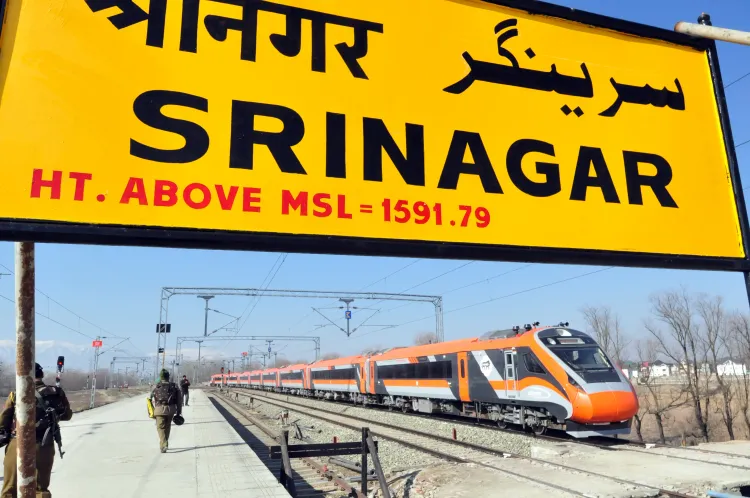
The introduction of the Vande Bharat Express between Jammu and Srinagar represents another significant advancement.
While this train may be viewed symbolically in other regions of the country, it holds substantial practical value in Kashmir.
Heavy snowfall can lead to road blockages lasting several days during winter. The semi-high-speed Vande Bharat train ensures transportation continuity even during severe weather.
This system is vital for passenger support and essential supply logistics, as well as economic activities.
Furthermore, it honors local culture by serving Dogri cuisine on the Jammu route and Kashmiri dishes on the return journey, showing respect for regional identity.
Currently, the proposed Baramulla–Uri and Jammu–Rajouri railway lines are at various stages of the survey and detailed project report.
These projects will link border areas and hilly regions that have faced isolation for decades.
Railways are set to enhance access to healthcare services, educational facilities, tourism prospects, and job opportunities in these locales.
Authorities have decided to halt further rail construction on the Baramulla–Srinagar route due to concerns regarding apple orchard preservation.
This approach reflects a balanced consideration of economic progress alongside the needs of local communities.
Can railways truly become Kashmir's economic lifeline? Railway projects generate employment through their construction while boosting freight transport efficiency and encouraging tourism.
In consideration of local sensitivities regarding the environment, horticulture industry, and conservation of natural habitats, Union Railway Minister Vaishnaw has confirmed that the Anantnag-Pahalgam and Anantnag-Shopian railway link projects are currently on hold.
Point of View
It is imperative to recognize the significance of the railway link in Jammu and Kashmir. This initiative not only promises economic growth but also fosters a sense of unity and connectivity for the region. While challenges remain, the commitment from the Union Government reflects a progressive approach to integrating Jammu and Kashmir into the broader national framework.
NationPress
16 Oct 2026
Frequently Asked Questions
What is the purpose of the Udhampur-Srinagar-Baramulla Rail Link?
The USBRL aims to provide vital connectivity to Jammu and Kashmir, enhancing economic growth, reducing travel disruptions, and improving safety for travelers.
How does the Vande Bharat Express benefit the region?
The Vande Bharat Express ensures reliable transportation during harsh winter conditions, promoting efficient travel and supporting local economies.
What challenges did the railway projects face?
Railway projects in Kashmir faced delays due to difficult terrain, security issues, and concerns regarding the preservation of local ecosystems.
How will the railway link impact local communities?
The railway link will provide improved access to healthcare, education, and job opportunities, significantly enhancing the quality of life in remote areas.
Is the railway project environmentally conscious?
Yes, the project takes into account local sensitivities and aims to balance economic development with ecological preservation.