Rain deficit threatens Vadamalli crop in Coimbatore ahead of Onam
Synopsis
Over 500 acres of Vadamalli — the globe amaranth flower grown in Coimbatore for Kerala's Onam market — are withering due to a prolonged rain deficit and weak southwest monsoon. With cultivation costs at ₹30,000 per acre and no irrigation backup, farmers face near-total losses, and reduced flower supply could push Onam market prices sharply higher.
Key Takeaways
More than 500 acres of Vadamalli across Thondamuthur Block , Coimbatore, are at risk due to a prolonged dry spell and weak southwest monsoon.
Cultivation cost is approximately ₹30,000 per acre , covering seeds, labour, and land preparation — most growers fear they will not recover this investment.
Manikandan report both moisture stress and wild boar incursions are damaging the crop.
Other crops including maize , toor dal , broad beans , and pumpkin have also been hit by the rain deficit.
Reduced Coimbatore flower supply could push up Onam market prices in Kerala.
Farmers have urged the Tamil Nadu government to assess damage and announce compensation; no relief has been announced as of reporting.
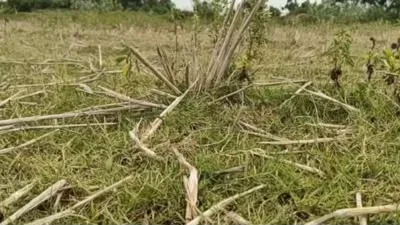
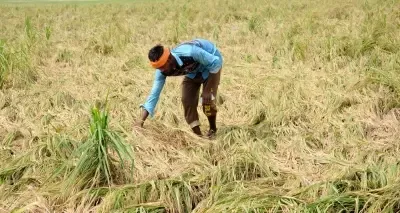
A prolonged dry spell and the failure of seasonal rains have pushed Vadamalli farmers in Tamil Nadu's Coimbatore district to the edge, with flowering plants withering across Thondamuthur Block as the critical Onam harvest window approaches. The absence of adequate summer showers, compounded by a weak southwest monsoon, has triggered an acute water shortage that is threatening livelihoods across multiple villages.
Scale of Cultivation at Risk
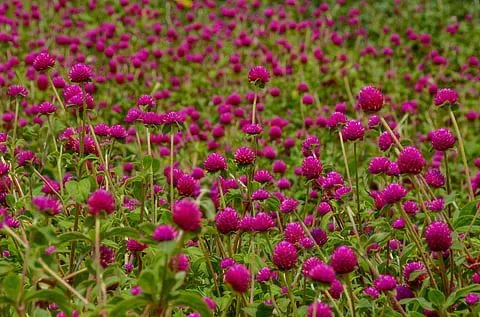
More than 500 acres of Vadamalli — botanically known as Gomphrena globosa, or globe amaranth — have been cultivated across the villages of Vadivelampalayam, Mugasimangalam, Molapalayam, and Kalimangalam. The crop, which has a cultivation cycle of roughly 150 days and begins yielding flowers only after about 120 days, is grown primarily to meet festive demand in Kerala during the Onam season. Although Vadamalli requires comparatively less water than many commercial crops, farmers say the current moisture stress has pushed plants to the brink of failure.
Farmers Describe Mounting Losses
R. Karthikeyan, a farmer from Vadivelampalayam, said the crop had shown healthy early growth before the dry weather took hold. 'We were expecting at least a few spells of monsoon rain by now, but the fields have remained dry for weeks. The plants are losing vigour every day, and many may not survive unless we receive rain immediately,' he said.
The cost of cultivating Vadamalli is estimated at around ₹30,000 per acre, covering land preparation, seeds, labour, and other inputs. With no assured irrigation infrastructure in large parts of the block, growers fear they may not recover even their basic investment if conditions do not improve.
Wildlife Pressure Adds to Crop Damage
S. Manikandan, another cultivator from the area, noted that the drought has altered the behaviour of wild animals in nearby forest zones. 'Wild boars usually stay away from this crop, but the lack of food and water in nearby forest areas has driven them into our fields. They have started damaging the already weakened plants, adding to our losses,' he said. This dual pressure — climatic stress and wildlife incursion — has compounded what was already a difficult season.
Wider Crop Impact and Market Implications
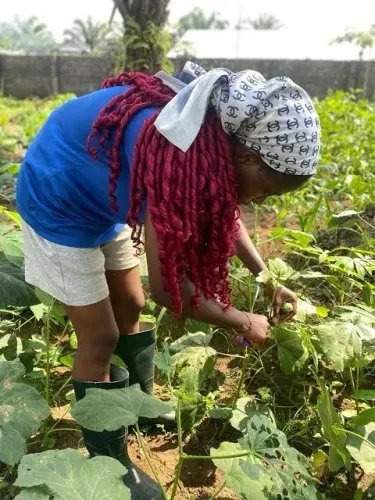
The damage is not confined to Vadamalli alone. Farmers report that maize, toor dal, broad beans, and pumpkin crops in the region have also suffered due to inadequate rainfall. With production expected to decline sharply, flower arrivals from Coimbatore during the Onam season could fall significantly, potentially driving up retail prices in Kerala's festive markets.
Demand for Government Relief
Affected farmers have urged the Tamil Nadu government to conduct a formal crop damage assessment and announce compensation, particularly for small and marginal growers whose sole income depends on rain-fed cultivation. As of the time of reporting, no official relief announcement had been made. With the Onam market window narrowing, the next few weeks of weather will be decisive for the district's flower farming community.
Point of View
Meaning a single bad monsoon erases an entire season's investment for small farmers. The Onam price spike that may follow will be felt by consumers in Kerala, but the cost is being borne entirely by growers in Tamil Nadu who have no crop insurance safety net to speak of. The Tamil Nadu government's silence on relief, even as plants visibly wither, points to a governance gap in how India responds to slow-onset agricultural crises that lack the dramatic imagery of floods.
NationPress
1 Oct 2026
Frequently Asked Questions
What is Vadamalli and why is it important for Onam?
Vadamalli, botanically known as Gomphrena globosa or globe amaranth, is a flowering plant cultivated extensively in Coimbatore district for Kerala's Onam festival market. It is a key component of the traditional Onam pookalam (floral carpet) and commands strong seasonal demand, making it a commercially significant crop for farmers in Thondamuthur Block.
How much crop area is affected by the rain deficit in Coimbatore?
More than 500 acres of Vadamalli cultivation across the villages of Vadivelampalayam, Mugasimangalam, Molapalayam, and Kalimangalam in Coimbatore's Thondamuthur Block are at risk. The failure of summer showers and a weak southwest monsoon have left these fields without adequate moisture.
What are the financial losses farmers are facing?
The cost of cultivating Vadamalli is around ₹30,000 per acre, covering land preparation, seeds, labour, and inputs. With no assured irrigation and plants already withering, farmers fear they may not recover even this basic investment if rainfall does not arrive soon.
Why are wild boars adding to the crop damage?
According to farmer S. Manikandan, the drought has depleted food and water sources in nearby forest areas, driving wild boars into agricultural fields. Wild boars do not typically damage Vadamalli, but stress conditions have changed their foraging behaviour, adding to losses already caused by moisture deficit.
Has the Tamil Nadu government announced any relief for affected farmers?
As of the time of reporting, no official relief or compensation has been announced. Farmers have urged the Tamil Nadu government to conduct a formal crop damage assessment and provide support, particularly for small and marginal growers who depend entirely on rain-fed cultivation.